
Sauces & Condiments
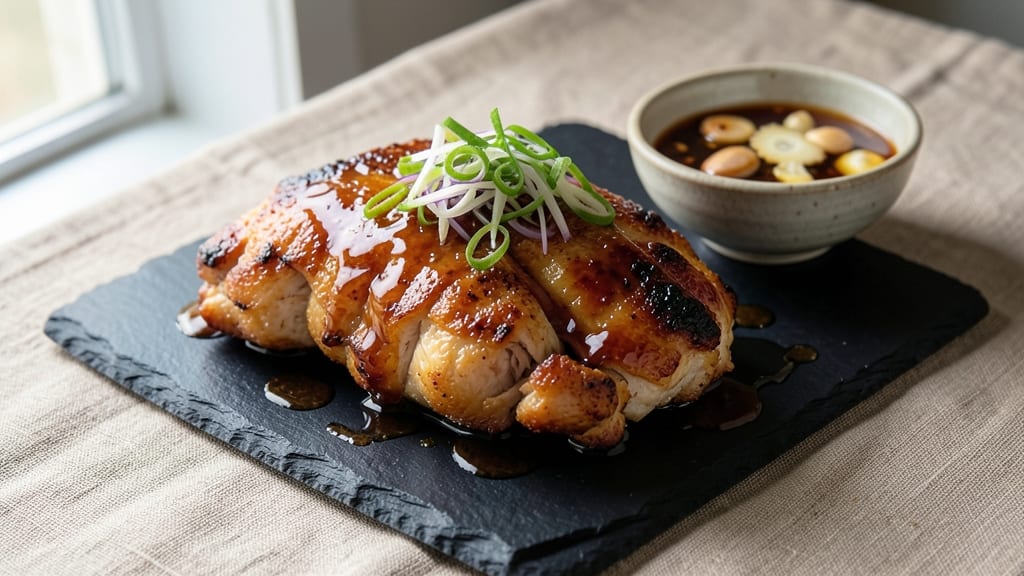
This Japanese teriyaki chicken marinade delivers that signature glossy, sweet-savory sauce that transforms ordinary grilled or pan-seared chicken into restaurant-quality bites. The secret lies in balancing mirin’s bright acidity with soy sauce’s umami depth, while sugar caramelizes into a sticky, flavorful crust during cooking.
I’ve perfected this marinade after testing countless variations—it’s the one that actually penetrates the meat and develops rich, complex flavors without overpowering the chicken’s natural taste.
The beauty of this marinade is its versatility—it works equally well for grilling, pan-searing, or even as a dipping sauce. With just five simple ingredients and a 30-minute marinating time, you’ll achieve professional-level results without complicated techniques.
The sugar and soy combination creates a perfect caramelized glaze when cooked, while garlic and ginger add aromatic depth that elevates every bite.
What makes this marinade stand out is its shelf-stable nature—you can make a batch ahead of time and store it in the refrigerator for up to two weeks, ready to transform your next chicken dish.
The sauce reduces beautifully when brushed on cooked chicken, creating that signature teriyaki sheen and sticky-sweet flavor that’s impossible to resist. Whether you’re grilling skewers or pan-searing breasts, this marinade ensures juicy, flavorful results every time.
The best part? This marinade doubles as a dipping sauce for extra crispy chicken or even as a glaze for vegetables. Once you try it, you’ll never go back to store-bought versions. Let’s get started on making yours—your taste buds will thank you.
Ingredients for japanese teriyaki chicken marinade
Five ingredients transform into that signature glossy teriyaki sauce for restaurant-quality chicken every time.
| Ingredient | Amount | Notes |
|---|---|---|
| Mirin 🍶 | ¼ cup | Sweet cooking rice wine |
| Japanese Soy Sauce 🥢 | ¼ cup | Kikkoman preferred for authenticity |
| Granulated White Sugar 🍚 | ¼ cup | Fine grain for smooth sauce |
| Fresh Garlic Cloves 🧄 | 3 cloves | Minced for aromatic depth |
| Fresh Ginger Root 🌿 | 1 tbsp | Grated, not powdered |
| Sesame Oil 🫒 | 1 tbsp | Toasted sesame for nutty aroma |
| Water 💧 | ¼ cup | Room temperature preferred |
Mirin is the unsung hero here—look for authentic Japanese mirin at Asian markets or the international aisle of Whole Foods. The real stuff isn't as sweet as imitation, so it balances the soy sauce perfectly. Kikkoman soy sauce is my go-to for that classic umami punch, but any good-quality Japanese soy will work. Fresh ginger and garlic? Don't use powdered—the difference is night and day. I grab mine from the Asian section at Trader Joe's—cheaper than specialty stores and still fresh. The sugar should be fine grain (like Domino), so it dissolves smoothly without graininess.
No mirin? Dry sherry plus 1 tsp sugar gets you close, though it won't be identical. Short on sesame oil? Toast sesame seeds in a dry pan and grind them into the sauce instead—still adds that nutty depth. The water is just to thin it out if needed, but honestly, this marinade is perfect as-is. If you're making it ahead, reduce it slightly on the stove before storing—it'll thicken up in the fridge and be even more concentrated when you're ready to use it.
This marinade keeps for 2 weeks in the fridge sealed tightly, but I always make extra because it's so versatile. Freeze portions in ice cube trays if you won't use it all—thaw and shake before using. The sauce gets even better after a day or two as the flavors meld. Store it in a glass jar with a tight lid to prevent absorption of fridge odors. Trust me, you'll want to make this at least once a month—it's that good.
Why You'll Love This Recipe
- Here’s what sold me: this marinade works for everyone. Picky eaters? The sweet-savory balance wins them over. Meat lovers? The crispy edges on the chicken are dangerously addictive. And vegetarians? Drizzle it over tofu or roasted veggies—it’s that adaptable. (Yes, even on a Tuesday night.)
- Five-Ingredient Magic: I swear by this combo—mirin and soy sauce alone make the base sing, but add that fresh ginger and garlic? It’s the kind of marinade where the first bite makes you pause mid-chew. No fancy techniques, just chop, mix, and let the flavors work their spell.
- Weeknight Hero: Honestly, this is my "I don’t want to cook but need dinner" go-to. Toss chicken in the marinade, pop it in the oven, and 30 minutes later, you’ve got sticky, caramelized perfection. The sugar in the marinade even helps it caramelize on its own—zero babysitting required.
- Leftover Goldmine: Between us, I make this marinade in bulk because it’s ridiculously good the second day. The flavors deepen, and it reheats like a dream—whether it’s stir-fried, grilled, or thrown into a rice bowl. My freezer’s always stocked with it because I refuse to waste a drop.
Step-by-step instructions for Japanese teriyaki chicken marinade
This marinade delivers that signature glossy, sweet-savory balance perfect for grilled or pan-seared chicken.
Combine the Wet Ingredients
In a medium saucepan, pour in the 0.25 cup mirin, 0.25 cup Japanese soy sauce, and 0.25 cup granulated white sugar. Stir over medium-low heat until the sugar dissolves completely—you'll see the mixture turn into a smooth, golden syrup. This step ensures no grainy texture remains in your finished sauce.
Here's the thing—don't rush this part. You want the sugar to fully integrate, creating that perfect base for the aromatic elements. Once dissolved, let the mixture simmer gently for 2-3 minutes until it thickens slightly but remains pourable. This pre-cooking step prevents a watery marinade later.
Add Aromatics and Simmer
Minced the 3 cloves fresh garlic cloves and grate the 1 tablespoon fresh ginger root using a fine grater or microplane. Add these to the saucepan along with the 1 tablespoon sesame oil. Stir well to combine, letting the aromatics infuse for 1 minute before increasing heat to medium.
Bring the mixture to a gentle boil, then immediately reduce heat to low. Let it simmer uncovered for 5-7 minutes, stirring occasionally. You're looking for the sauce to reduce by about 20%—it should coat the back of a spoon but still flow smoothly. This reduction concentrates the flavors and creates that signature teriyaki consistency.
Finish with Water and Cool
Remove the saucepan from heat and stir in the 0.25 cup water. This final addition balances the sweetness and creates the perfect viscosity for marinating. Taste the sauce and adjust seasoning if needed—you might want to add a pinch more sugar or soy sauce to achieve that perfect sweet-savory balance.
Let the marinade cool completely before using. I know it's tempting to use it warm, but cooling prevents the chicken from cooking prematurely in the sauce. Once cooled, transfer to a bowl or jar and let it sit at room temperature for at least 30 minutes before using. This resting period allows all the flavors to meld together beautifully.
Use Immediately or Store
For immediate use, pour the cooled marinade into a shallow dish and add your chicken pieces. Let them marinate for at least 30 minutes (or up to 4 hours in the refrigerator) for maximum flavor penetration. For storage, transfer the marinade to an airtight container and refrigerate for up to 1 week. When ready to use, simply bring it to room temperature before applying to chicken.
Real talk: This marinade works wonders on chicken thighs, breasts, or even tofu for a vegetarian option. The key is patience—let the chicken sit in the marinade long enough to absorb those rich, umami-packed flavors. And don't discard any leftovers; simmer them down for a quick glaze or drizzle over rice.
Pro Tips For Making Japanese Teriyaki Chicken Marinade
- Grate, Don’t Mince Ginger: I learned this the hard way—minced ginger turns to mush in teriyaki sauce, making it watery. Use a microplane or the largest holes of a box grater for ginger (and garlic, if you’re lazy with the press) so it dissolves smoothly without turning the marinade into soup.
- Simmer, Don’t Boil: The sauce needs time to meld, not a violent boil that burns the sugar into bitter bits. Keep it at a gentle simmer—tiny bubbles breaking the surface—until it thickens to coat the back of a spoon. (Yes, even if you’re staring at the clock.)
- Skip the Raw Garlic Burn: If your marinade smells harsh or tastes like medicine, you overdid the garlic. Start with 3 cloves per cup of sauce, then taste before adding more. Raw garlic’s pungency mellows in cooking, but you can’t undo overpowering it.
- Marinate Cold, Not Room Temp: Toss the chicken in the sauce, then pop it in the fridge for at least 2 hours—overnight if you’re patient. Room-temperature meat absorbs marinade unevenly, and the sugar in the sauce can start cooking the edges before you even grill. (Your chicken will thank you.)
Perfect pairings for japanese teriyaki chicken marinade
Sauce Thickening Hacks
For an extra-glossy finish, simmer your cooled marinade uncovered on low heat for 5-7 minutes until it reduces by 30%. I like to use a non-stick saucepan—it prevents sticking while concentrating flavors.
If you need it thicker for glazing, add 1 tsp cornstarch mixed with 1 tbsp water and stir until it reaches a syrup-like consistency. 💡
Vegetable Pairings
This marinade isn’t just for chicken—brush it on broccoli or asparagus for a quick stir-fry. Toss shredded cabbage with the leftover sauce and roast at 400°F for 20 minutes for a sweet-savory side.
The umami depth complements the natural crunch perfectly. For extra depth, add 1 tbsp toasted sesame seeds at the end. 🥬
Dipping Sauce Twist
Thin the marinade with 2 tbsp water and a splash of rice vinegar to create a dipping sauce for crispy chicken or even fried tofu. I like adding ½ tsp grated daikon radish for a refreshing crunch.
Serve it in a small bowl with chopsticks for an authentic touch. This version works especially well with yaki soba or tempura. 🍜
Glazing Techniques
For a restaurant-style glaze, brush the marinade onto cooked chicken in 2-3 thin layers, letting it caramelize between each coat over medium-high heat. I use a pastry brush for even coverage.
For extra shine, finish with a quick sear in a hot cast-iron skillet—the Maillard reaction creates that irresistible crust. 🔥
Rice Bowl Upgrade
Use leftover marinade as a drizzle over steamed jasmine rice with quick-pickled veggies. Thin it slightly with water and simmer until syrupy. Top with soft-boiled eggs and nori strips for a fusion-style bowl. The balance of sweet, salty, and umami elevates every bite. 🍚
Storage for Leftovers
Transfer unused marinade to a glass jar and refrigerate for up to 2 weeks. Freeze portions in ice cube trays for easy single-use servings. When reheating, warm gently on the stove—never microwave, as it can make the sauce grainy.
I always keep a batch on hand for last-minute meals. ❄️
Nutrition facts
Frequently asked questions
Can I use this marinade on other proteins besides chicken?
This teriyaki marinade works beautifully on pork chops, salmon fillets, or even tofu for a vegetarian option. The sweet-savory balance enhances the natural flavors of any protein. For fish, reduce marinating time to 15-20 minutes to avoid overcooking.
How do I prevent the marinade from making chicken too sweet?
Balance is key! Start with 1:1:1 ratio of mirin, soy sauce, and sugar as written. If you prefer less sweetness, reduce sugar to 2 tablespoons and add ½ teaspoon grated ginger for extra depth. Taste as you go—you can always add more soy sauce to intensify umami without extra sweetness.
Can I make this marinade ahead of time?
Yes, this marinade actually improves with time! Make it up to 2 weeks ahead and store in an airtight container. The flavors meld beautifully, and it's perfect for meal prep. When ready to use, bring to room temperature before applying to chicken for best results.
What's the best way to get that glossy finish on grilled chicken?
For maximum shine, reduce the cooled marinade by 30% on low heat before using. Brush it on chicken in 2-3 thin layers, letting each layer caramelize slightly between applications. A quick sear in a hot cast-iron skillet right before serving creates that restaurant-quality sheen.
Can I substitute mirin with something else?
For authentic flavor, mirin is ideal, but you can substitute with dry sherry plus 1 tsp sugar or white wine plus ½ tsp sugar. The alcohol content helps tenderize the meat, while the sugar mimics mirin's sweetness. Just know the texture may be slightly different—mirin's natural acidity is hard to replicate perfectly.