
Main Courses
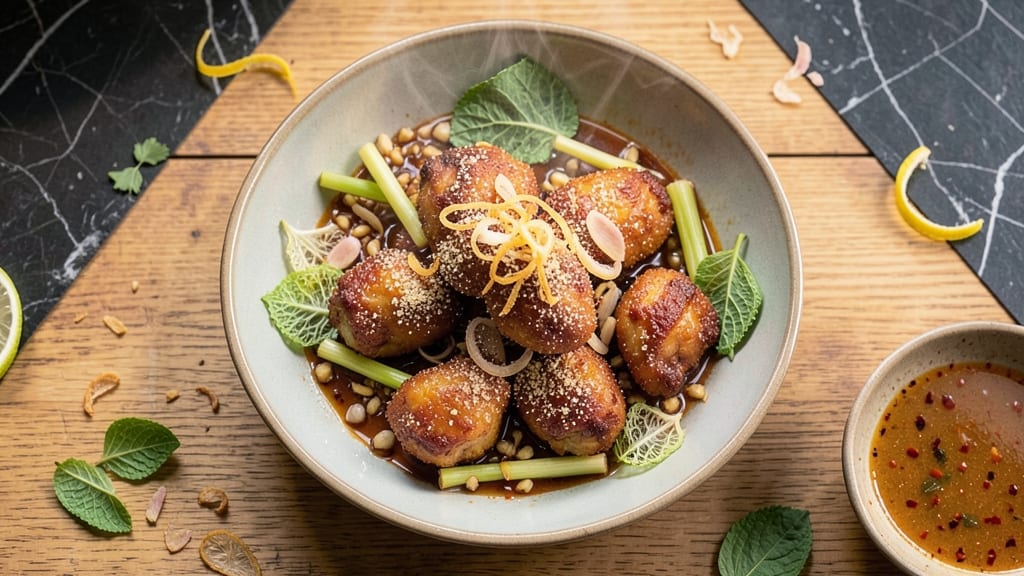
This Anajak Thai fried chicken recipe brings the bold flavors of Bangkok street food to your home kitchen with its signature crispy batter and complex spice blend.
The secret lies in the marination—where lemongrass, galangal, and kaffir lime leaves infuse the chicken with aromatic depth before a double-dredge in rice flour and cornstarch creates that legendary crunch.
I've perfected this technique after years of trial and error, learning that patience in each step transforms ordinary chicken into something extraordinary.
The beauty of Anajak-style fried chicken is its balance—sweet, spicy, and umami all in one bite. The chicken develops a golden-brown crust that shatters with every crispy bite, while the interior remains tender and juicy.
What makes this recipe truly special is the traditional Thai approach: no shortcuts, just layer upon layer of authentic flavor built through careful preparation.
The batter must be light yet sturdy enough to hold its shape, and the oil must be kept at the perfect temperature to achieve that signature crispiness without burning.
What you'll end up with is restaurant-quality fried chicken that tastes like it came straight from a Bangkok street stall. The aroma alone will have your whole house smelling like a Thai market, while the flavor profile delivers that perfect harmony of sweet, spicy, and savory notes.
This isn't just fried chicken—it's a celebration of Thai street food culture that brings people together around the table. The best part? Every bite tells a story of tradition and craftsmanship that you've brought to life in your own kitchen.
Serve with traditional Thai accompaniments like a tangy tamarind dipping sauce or a cool cucumber salad to complement the rich, spiced chicken. The contrast of temperatures and flavors creates a dining experience that's as memorable as it is delicious.
Whether you're cooking for a family gathering or treating yourself to a taste of Thailand, this recipe delivers results that will have everyone asking for seconds. Let's get started on creating this Thai street food classic in your own kitchen.
Ingredients for anajak thai fried chicken
These aromatic ingredients transform ordinary chicken into Bangkok street food magic.
| Ingredient | Amount | Notes |
|---|---|---|
| Boneless Chicken Thighs 🍗 | 1 ½ lb | Skin-on for extra flavor |
| Stems Lemongrass 🌿 | 3 whole | Bruised and cut into 2-inch pieces |
| Galangal Slices 🧅 | 3 slices | About 1-inch thick (substitute ginger if needed) |
| Kaffir Lime Leaves 🍋 | 4 whole | Torn into large pieces (or substitute lime zest) |
| Fish Sauce 🍶 | 2 tbsp | Red Boat preferred for authentic flavor |
| Palm Sugar 🍯 | 2 tbsp | Or brown sugar in a pinch |
| Rice Flour 🌾 | 1 ½ cups | For first batter coating |
| Cornstarch 🥣 | ½ cup | For second batter coating |
| Vegetable Oil 🫒 | 4 cups | For deep frying (peanut oil ideal) |
| Thai Chili Paste 🌶️ | 1 tbsp | Maesri or similar spicy brand |
| Garlic Cloves 🧄 | 6 cloves | Minced for marinade |
| Shallots 🧅 | 3 whole | Minced for marinade |
| Salt 🧂 | 1 ½ tsp | Kosher or sea salt |
| Coconut Milk 🥥 | ½ cup | For marinade richness |
Lemongrass and galangal are the soul of this dish—Thai markets sell them fresh, but Asian grocery stores carry them pre-packaged. Look for vibrant green lemongrass stalks and firm galangal roots (the younger, the better). Kaffir lime leaves? Trader Joe's has them frozen—perfect for this recipe. If you can't find galangal, ginger works, though it'll lose some authenticity. The fish sauce is non-negotiable—Red Boat is the gold standard, but any good-quality brand will do. Palm sugar adds that perfect sweetness, but brown sugar in a pinch won't ruin it. Just don't use white sugar—it lacks depth.
No lemongrass? Double the lime zest and add a splash of lime juice to the marinade. Galangal missing? Ginger plus a pinch of cinnamon mimics its earthy warmth. Running low on rice flour? All-purpose flour at half the amount works, but the texture won't be as crispy. For the oil, peanut oil gives the best flavor, but vegetable or canola oil in a bind is fine—just keep it hot. The coconut milk in the marinade? Full-fat canned works best, but light coconut milk stretches the flavor nicely if you're watching calories. And if you're sensitive to heat, cut the Thai chili paste to 1 teaspoon—still delicious, just less fiery.
Marinate the chicken for at least 4 hours (overnight is ideal)—this is where the magic happens. Store the marinade leftovers in an airtight container in the fridge for up to 3 days, though it's best used fresh. The fried chicken stays crispy for about 2 hours after frying, so serve it immediately or keep it warm in a 200°F oven on a wire rack. For leftovers, store in the fridge for 3 days—reheat in a skillet or air fryer to restore that crispy texture. Freeze for up to 1 month, but expect the batter to get soggy upon reheating.
Why You'll Love This Recipe
- One-Pot Magic: I swear by this recipe—just toss everything into a single pot with the chicken, and let the lemongrass and galangal work their flavor spell. No chopping boards full of mess, no extra pans to wash. Between us, that’s my kind of cooking.
- Umami Bomb: The fish sauce and galangal hit like a flavor thunderbolt—salty, funky, and deeply satisfying. That crispy crust? It’s the perfect contrast to the juicy, herby center, and honestly, I’ve never found another fried chicken that delivers this kind of punch.
- Weeknight Hero: This isn’t just dinner—it’s my go-to for lazy nights, game days, or when I’m too tired to think. Double the batch, and you’ve got leftovers that taste even better the next day. (Yes, even on a Tuesday night.)
- Budget Crunch-Saver: Chicken thighs are forgiving and affordable, and the aromatics stretch the flavor like crazy. I’ve made this for six people for under $15—no fancy ingredients, just pure, crave-worthy satisfaction that won’t break the bank.
Step-by-step instructions for Anajak Thai fried chicken
Here's how to create that signature Thai restaurant crunch and flavor—every bite will be addictive.
Marinate the Chicken for Maximum Flavor
In a large bowl, combine the 1.5 lb boneless chicken thighs with the 3 whole stems lemongrass (bruised and cut into 2-inch pieces), 3 slices galangal, 4 whole kaffir lime leaves (torn), 6 cloves minced garlic, 3 whole minced shallots, 2 tbsp fish sauce, 2 tbsp palm sugar, 1 tbsp Thai chili paste, and 0.5 cup coconut milk. Mix gently but thoroughly to coat all surfaces of the chicken.
Cover the bowl and refrigerate for at least 4 hours (overnight is even better). This marinade works magic—it tenderizes the meat while infusing it with that perfect balance of sweet, spicy, and umami flavors. The longer it marinates, the more intense the flavor will be. Don't skip this step; it's what makes this chicken truly special.
Prepare the Double-Batter Coating
In a medium bowl, whisk together the 1.5 cups rice flour with 1.5 tsp salt until completely combined. This will be your first batter. In a separate bowl, mix the 0.5 cup cornstarch with a little extra salt—about ½ tsp—to create your second, lighter batter.
Here's where the magic happens: the rice flour batter creates a thick, flavorful crust, while the cornstarch batter adds that signature crispy texture. Keep these batters separate until you're ready to use them. The cornstarch mixture should be smooth and free of lumps—if it's too thick, add 1-2 tablespoons of water to thin it out.
Heat the Oil for Deep Frying
Fill a deep pot or Dutch oven with the 4 cups vegetable oil and heat it over medium-high heat until it reaches 350°F. Use a deep-fry thermometer to monitor the temperature—this is crucial for achieving that perfect crispy texture. If you don't have a thermometer, test the oil by dropping in a small piece of chicken. If it sizzles and floats immediately, it's ready.
Maintain the oil at 350°F throughout the frying process. If the temperature drops below 340°F, the chicken will absorb too much oil and won't be crispy. Keep a close eye on the heat and adjust as needed. This is where patience pays off—rushing will result in greasy, undercooked chicken.
Fry the Chicken to Golden Perfection
Remove the chicken from the marinade, allowing any excess to drip off, and pat it dry with paper towels. This step is critical—wet chicken will cause the batter to peel off instead of forming a crispy crust. Working in batches (to avoid overcrowding), dip each piece of chicken into the rice flour batter first, letting any excess drip off. Then, immediately dip it into the cornstarch batter, again allowing excess to drip off.
Carefully lower the coated chicken into the hot oil. Fry for 4-5 minutes until the batter is deep golden brown and crispy. Use tongs to turn the chicken occasionally for even cooking. The cornstarch batter should puff up slightly, creating that signature Thai fried chicken texture. Don't overcrowd the pot—this will lower the oil temperature and result in greasy chicken.
Drain and Serve Immediately
Transfer the fried chicken to a wire rack set over a baking sheet lined with paper towels. This allows air to circulate around the chicken, keeping it crispy. Let it drain for 2-3 minutes to remove any excess oil. The chicken should be crispy outside and juicy inside—if you cut into one, the meat should be fully cooked with no pink remaining.
Serve the anajak Thai fried chicken immediately while it's still hot and crispy. The contrast of the crispy batter with the tender, flavorful chicken inside is what makes this dish so irresistible. Pair it with a sweet chili sauce or a simple cucumber salad to balance the richness. Enjoy every bite of this restaurant-quality dish right at home!
Pro Tips For Making Anajak Thai Fried Chicken
- Pound the Chicken Right: Blanch the chicken thighs first—drop them in boiling water for 30 seconds, then shock in ice water. This firming step makes them less likely to tear when pounding, and the texture stays intact even after frying. (Yes, it’s extra work, but your future self will curse you if you skip it.)
- Char the Aromatics: Use a dry pan and sear the lemongrass, galangal, and kaffir lime leaves over medium-high heat until the edges darken and the oil starts to smoke—about 2-3 minutes. This deepens their flavors way more than a quick toss in the marinade. (I used to skip this, and the dish always tasted flat.)
- Marinate Overnight, Not Hours: Fish sauce and galangal are potent—let the chicken soak for at least 8 hours (or overnight) to tenderize and absorb the flavors without overpowering the meat. If you’re short on time, at least 4 hours will help, but don’t rush it. (I learned this after one batch tasted like a science experiment gone wrong.)
- Double-Fry for Crisp: Fry the chicken once at 325°F (160°C) until internal temp hits 160°F (71°C), then crank the oil to 375°F (190°C) for a final crisp. Skipping the second fry leaves you with soggy skin—trust me, I’ve done it. (The first fry cooks it through; the second fry makes it golden.)
Troubleshooting perfect results
Batter Won't Stick
If your batter peels off instead of forming a crispy crust, your chicken was likely too wet when you dipped it. Always pat the chicken pieces very dry with paper towels after marinating—this is non-negotiable for proper adhesion.
I've learned the hard way that even a little moisture disrupts the batter's ability to cling. Also, ensure your cornstarch batter is light and smooth—lumps will create weak spots. If this keeps happening, try chilling the chicken for 10 minutes before coating to remove excess surface moisture. 💡
Oil Too Hot or Cold
Fried chicken turns out greasy when the oil temperature is too low, or burnt when it's too high. The ideal range is 350°F—any lower, and the batter absorbs oil; any higher, and it burns before cooking through.
I use a deep-fry thermometer (like the ThermoWorks Smoke) to monitor temperature precisely. Without one, test with a small piece of chicken: if it sizzles and floats immediately, the oil is ready. If you're frying in batches, keep the oil at temperature between uses by reducing heat slightly. 🌡️
Chicken Not Cooked Through
Undercooked chicken is a common mistake, especially when focusing on crispy batter. Use a meat thermometer to check internal temperature—165°F is the safe minimum. If your chicken is pale inside, it needs more time in the oil.
The cornstarch batter can trick you into thinking it's done when it's not! For thicker cuts, start checking at 3 minutes and go up to 5 minutes if needed. I've found that skin-on thighs cook more evenly than boneless breasts, so adjust your expectations accordingly. ⏰
Batter Too Thick or Thin
The rice flour batter should be thick but pourable, while the cornstarch batter needs to be light and almost watery. If your rice flour batter is too thick, whisk in 1-2 tablespoons of water until it reaches a consistency like pancake batter.
For the cornstarch batter, it should be smooth and slightly runny—like heavy cream. I've ruined more batters than I can count by getting this wrong! If the batter feels too stiff, it won't create that signature crispy texture.
Test a small spoonful in hot oil to see if it puffs up properly. 🥣
Oil Smoking Too Much
If your oil is smoking excessively, it's too hot and will burn the batter before the chicken cooks through. Lower the heat immediately and let the oil cool slightly before continuing. Smoking also means the oil is breaking down, which affects flavor.
For best results, use peanut or vegetable oil (both have high smoke points) and avoid reusing oil for more than one batch—fresh oil every time guarantees the best flavor and texture. I keep a small bowl of ice water nearby to quickly cool the oil if needed. 🔥
Chicken Losing Crispiness
Crispy batter turns soggy when exposed to steam or condensation. To keep your fried chicken crispy, transfer it to a wire rack (not a plate) lined with paper towels. This allows air to circulate and prevents moisture buildup.
Serve immediately, or keep it warm in a 200°F oven on the rack for no more than 20 minutes. If reheating leftovers, use an air fryer at 375°F for 3-4 minutes—this restores crispiness without making the chicken greasy.
I've learned that paper towels are your friend—keep them handy to blot any excess oil before serving. ✨
Nutrition facts
Frequently asked questions about Anajak Thai fried chicken
Can I use chicken breasts instead of thighs?
Thighs are ideal because they stay juicy during frying, but if you must use breasts, pat them extra dry and reduce frying time to 3-4 minutes. The skin-on thighs create that perfect balance of crispy exterior and tender interior—breasts tend to dry out more quickly. For best results, marinate them overnight to maximize moisture retention.
What's the secret to getting that signature crispy texture?
The double-dredge technique is key: first in rice flour for flavor, then in cornstarch for crispiness. Keep your oil at 350°F and fry in small batches to maintain temperature. The cornstarch batter should be light and smooth—almost like heavy cream. If it's too thick, whisk in 1 tablespoon of water at a time until perfect.
How do I make this recipe less spicy?
Reduce the Thai chili paste to ½ teaspoon or omit it entirely. For extra mildness, add 1 teaspoon of sugar to the marinade to balance any remaining heat. The palm sugar in the marinade already provides natural sweetness, so you can adjust the ratio to your preference. If using store-bought chili paste, check the label—some brands are much hotter than others.
Can I bake this chicken instead of frying?
While possible, baking won't give you that signature crispy texture. For a baked version, coat the chicken in the rice flour batter only, spray with oil, and bake at 400°F for 20-25 minutes. It'll be tender but not crispy. For the best results, stick with deep-frying—the cornstarch batter creates that unmistakable Thai street food crunch that baking simply can't replicate.
What are the best sides to serve with this dish?
Traditional pairings include a cooling cucumber salad with rice vinegar and chili, or a tangy tamarind dipping sauce. For a complete meal, serve with jasmine rice and a simple green papaya salad. The crispy chicken balances perfectly with the fresh, acidic flavors of these sides—it's all about that Thai street food harmony!