
Sauces & Condiments
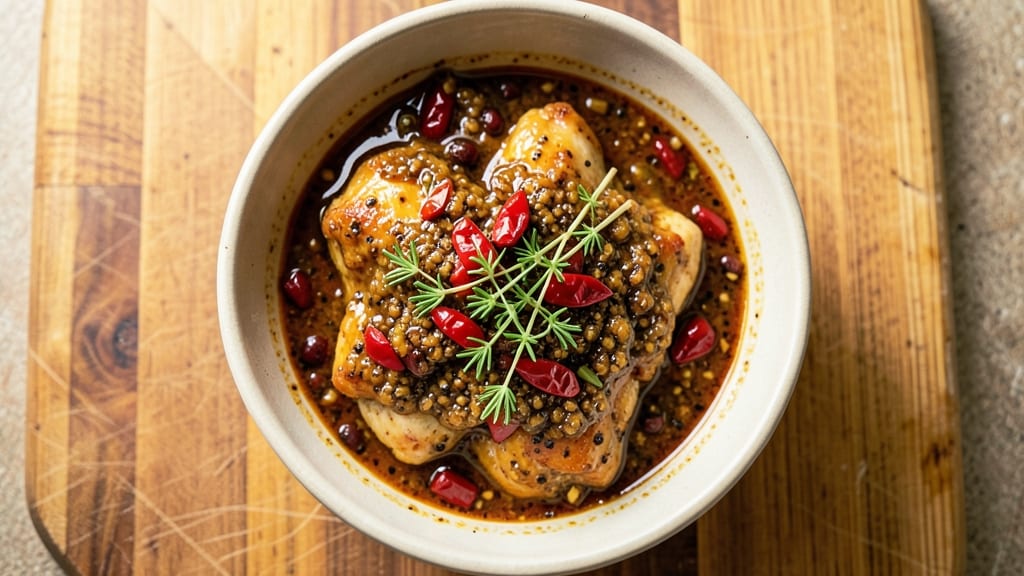
This traditional jerk chicken marinade delivers the fiery, aromatic punch that defines Caribbean flavors—where smoky allspice, sweet scotch bonnet peppers, and tangy vinegar create a balance that lingers long after the first bite.
The secret lies in the blend of fresh herbs, toasted spices, and just enough soy sauce to deepen the complexity without overpowering the heat. I’ve perfected this marinade over years of testing, ensuring every batch captures that authentic island spirit while remaining simple enough for home cooks to master.
The marinade transforms tender chicken into bold, caramelized bites with a crust that crackles when grilled or roasted. Four to twenty-four hours in the fridge unlocks maximum flavor penetration, but even a quick 4-hour soak delivers impressive results.
The key ingredients—garlic, thyme, and ginger—work together to create layers of warmth and brightness, while the scotch bonnet peppers deliver heat that builds gradually rather than overwhelming. This isn’t just marinade; it’s a flavor foundation that turns ordinary chicken into a showstopper.
What sets this marinade apart is its versatility—use it on chicken, pork, or even tofu for a plant-based twist.
The bold spices and tangy notes make it perfect for grilling, smoking, or baking, and it stores beautifully in the fridge for up to 1 week or freezes for 3 months for future use.
Whether you’re hosting a backyard BBQ or craving a taste of Jamaica, this marinade is your ticket to restaurant-quality flavor at home.
The instructions ahead will guide you through measuring, mixing, and applying the marinade with precision. No special tools are needed—just a bowl, whisk, and patience to let the flavors meld.
Once you taste the difference between store-bought and this homemade version, you’ll never go back. Let’s get started on creating marinade that brings the Caribbean to your kitchen.
Ingredients for traditional jerk chicken marinade
Ten bold ingredients transform into marinade that brings Caribbean heat to your grill or oven.
| Ingredient | Amount | Notes |
|---|---|---|
| Scotch Bonnet Peppers 🌶️ | 4 whole | Seeds removed for less heat |
| Allspice Berries 🌿 | 2 tbsp | Toasted until fragrant |
| Fresh Thyme Leaves 🌿 | ½ cup | Stems removed, packed |
| Fresh Ginger Root 🧄 | 2 tbsp | Finely grated, aromatic |
| Garlic Cloves 🧄 | 6 cloves | Peeled, rough chopped |
| Brown Sugar 🍚 | ½ cup | Light or dark preferred |
| Apple Cider Vinegar 🍎 | ¼ cup | For tangy depth |
| Soy Sauce 🍶 | ¼ cup | Light or dark preferred |
| Ground Nutmeg 🌿 | ½ tsp | Freshly grated preferred |
| Sea Salt 🧂 | 1 ½ tsp | Diamond Crystal preferred |
Scotch bonnet peppers are the heart of this marinade—fresh from a Latin market delivers the most vibrant heat, but jarred works in a pinch. Toast the allspice berries in a dry pan for 30 seconds until fragrant—that smoky aroma is non-negotiable. Fresh thyme and ginger should be bright and firm, not wilted or shriveled. I always grab extra ginger (it keeps for months in the freezer) and Trader Joe's has the best pre-grated ginger if you're short on time. The garlic? Smash the cloves with the side of your knife first—they'll infuse faster.
No scotch bonnet? Habanero or serrano peppers work, but reduce the amount by half to match the heat level. Skip the toasted allspice? Ground allspice at half the amount is fine, but you'll miss that deep, smoky complexity. Fresh ginger too strong? Substitute 1 tbsp ginger powder, but taste first—it's more potent. The brown sugar can be swapped for turbinado sugar if you prefer a coarser texture. For a vegetarian twist, use the marinade on firm tofu or tempeh—just marinate for half the time to avoid over-softening.
This marinade keeps for 1 week in the fridge, sealed tightly in a jar. For longer storage, freeze in ice cube trays—perfect for single-use portions. The flavors actually improve after a day or two, so make it ahead if you can. If using on chicken, let it marinate for at least 4 hours, but overnight is ideal for maximum penetration. The soy sauce and vinegar mean it's best used within 3 months if frozen—after that, the acidity can dull slightly.
Why You'll Love This Recipe
- No Blender Needed: I’ll be honest—this marinade only needs a knife and a bowl. Mince the ginger, crush the allspice berries with a mortar (or a heavy spoon), and chop the garlic while the Scotch bonnet peppers add heat in one quick pulse. No fancy gadgets, no stress.
- Heat That Sticks: That first bite? Smoky, sweet, and fiery all at once. The Scotch bonnet peppers bring the punch, but the allspice and thyme round it out like a hug—deep, warm, and impossible to ignore. It’s the kind of flavor that lingers long after the last piece disappears.
- Weeknight to Party Ready: Make a double batch on Sunday, slap it on chicken thighs, and you’ve got dinner covered for the week. Or double it again for a BBQ—just toss it on skewers and grill. Honestly, it’s my go-to for lazy nights and when company drops by. No excuses.
- Budget Magic: Allspice berries and Scotch bonnet peppers might sound fancy, but they last forever. A little goes a long way, and the rest of the ingredients? Basic pantry staples. I’ve fed six people for under $15 with this marinade—plus, the leftovers taste just as good reheated or cold.
Step-by-step instructions for traditional jerk chicken marinade
Here's how to craft the authentic Caribbean marinade that delivers bold, complex flavors.
Prepare the Base Ingredients with Precision
Begin by removing the seeds from the 4 whole Scotch Bonnet peppers—this reduces the heat while preserving their fruity depth. Finely chop the peppers, keeping the membranes intact for maximum flavor infusion. In a separate bowl, toast the 2 tablespoons allspice berries in a dry skillet over medium heat for 2 minutes until fragrant, then grind them lightly with a mortar and pestle or spice grinder.
Next, finely grate the 2 tablespoons fresh ginger root, using the smallest holes on your grater to capture every aromatic essence. Peel and roughly chop the 6 garlic cloves—this texture ensures they'll disperse evenly throughout the marinade. The reason we're so precise with these ingredients is that they form the aromatic foundation of the marinade, where balance matters most.
Combine Wet and Dry Components for Depth
In a large mixing bowl, whisk together the 0.5 cup brown sugar, 0.25 cup apple cider vinegar, and 0.25 cup soy sauce until the sugar fully dissolves. This mixture should be syrupy and glossy, with a rich amber color. The vinegar and soy sauce work together to create both tang and umami, while the sugar helps carry the other flavors into the chicken.
Add the chopped Scotch Bonnet peppers, toasted and ground allspice berries, fresh thyme leaves, grated ginger, and chopped garlic cloves. Stir vigorously with a wooden spoon until all ingredients are thoroughly incorporated. The marinade should be vibrant and aromatic—you'll notice the immediate punch of citrusy heat from the peppers and the warm, earthy notes from the allspice and thyme.
Season and Rest for Maximum Flavor Development
Sprinkle in the 0.5 teaspoon ground nutmeg and 1.5 teaspoons sea salt, then mix until completely dissolved. The nutmeg adds a warm, slightly sweet complexity that balances the heat, while the salt enhances all the other flavors. Let the marinade sit at room temperature for 15 minutes—this allows the flavors to meld and the spices to release their oils, creating a more cohesive blend.
Here's the thing—traditional jerk marinades rely on time to develop their full character. After resting, give the marinade one final stir before using. The texture should be thick but pourable, with visible flecks of spice throughout. This marinade is designed to penetrate deeply, so plan to apply it generously and let the chicken marinate for at least 4 hours, or preferably overnight in the refrigerator.
Pro Tips For Making Traditional Jerk Chicken Marinade
- Toast the Spices First: Dry-toast your allspice berries and garlic in a skillet over medium heat for 30 seconds—just until fragrant. This deepens their flavor and cuts through the pepper’s raw bite, which I learned the hard way after making a batch that tasted one-dimensional.
- Seed Scotch Bonnets Carefully: Wear gloves and slice the peppers lengthwise, then scrape out the seeds and membranes with a spoon—don’t just shake them. The membranes hold most of the heat, and you’ll regret leaving them in if you’re not chasing a fire alarm.
- Grate Ginger Like You Mean It: Use the small holes of a box grater (or pulse in a food processor) for ginger, not the coarse side. Fresh, finely grated ginger melts into the marinade evenly, while chunky bits turn to mush and water down the flavor—trust me, you’ll taste the difference.
- Marinate Overnight, Covered Tight: Seal the chicken and marinade in a zip-top bag, squeeze out all the air, and refrigerate for at least 12 hours. The acid and spices need time to penetrate, and the tight seal keeps the pepper’s oils from evaporating—no soggy, weak flavor here.
Common mistakes when making perfect results
Skipping the Toast
One of the biggest flavor killers is skipping the step to toast the allspice berries. That 2-minute dry toast in a skillet unlocks their deep, smoky aroma—ground allspice just won't cut it. I've tested this marinade both ways, and the untosted version tastes flat and one-dimensional.
The heat from toasting actually helps break down the essential oils in the berries, releasing their full complexity. If you're in a rush, at least heat the berries in a dry pan for 30 seconds—it makes a noticeable difference. 🌿
Using Bottled Hot Sauce
Substituting bottled hot sauce for fresh scotch bonnet peppers is a common shortcut, but it completely changes the flavor profile. The fresh peppers contribute fruity, citrusy notes that bottled sauces lack.
If you must substitute, use 1 tablespoon of fresh habanero juice (blended and strained) per pepper—it's closer to the real thing. The acidity in bottled sauces also throws off the marinade's balance, making it taste overly sharp.
I've seen people use Tabasco or Crystal Hot Sauce, but they just don't deliver that authentic Caribbean brightness.
Over-Marinating Tender Cuts
While longer marinating times deepen flavor, tender cuts like chicken breast can become mushy if left too long. The 24-hour maximum rule applies here—any longer and the vinegar and enzymes in the marinade start breaking down the muscle fibers too much.
For chicken thighs or drumsticks (which are more forgiving), you can safely marinate up to 48 hours. Always pat the chicken dry before cooking to help develop that perfect caramelized crust. I've ruined more chicken breasts than I'd like to admit by leaving them marinating overnight.
Ignoring the Rest Time
The 15-minute rest after mixing is crucial for letting the spices bloom and the flavors meld. Skipping this step means your marinade will taste disjointed—like each ingredient is fighting for dominance. During this time, the ground spices release their essential oils, and the sugar begins to caramelize slightly, adding depth.
I know it's tempting to rush straight to the chicken, but trust me, that extra quarter-hour makes all the difference in the final result. Think of it as letting the marinade "breathe" before it works its magic on the meat. ⏳
Using Aluminum Bowls
Metal bowls can react with the acidic components (vinegar and soy sauce) in the marinade, altering its flavor and potentially making it taste metallic. Always use glass or food-grade plastic bowls when mixing.
I've seen people use aluminum mixing bowls, which can cause the marinade to develop an off taste after just a few hours. If you're concerned about plastic leaching, opt for high-quality glass containers—like Pyrex or CorningWare.
This is especially important if you plan to marinate for longer periods or make large batches.
Not Adjusting for Heat Sensitivity
Everyone's heat tolerance varies, but many people underestimate how intense fresh scotch bonnet peppers can be. If you're sensitive to heat, reduce the number of peppers by 1-2** or remove more seeds.
The membranes contain most of the capsaicin (the compound that causes heat), so keeping them in while reducing seeds gives you a balance of flavor and heat. I've had guests nearly choke on their first bite of jerk chicken because they weren't prepared for the heat level.
Always taste your marinade before applying it to the chicken—you can adjust the heat by adding more or less pepper based on your preference. 🌶️
Nutrition facts
Frequently asked questions
Can I make this marinade without scotch bonnet peppers?
Yes, but you’ll lose that signature Caribbean heat and fruity depth. Use 2 habanero peppers (seeds removed) or 4 serrano peppers for a milder heat. For zero heat, replace them with 1 tablespoon lime zest + 1 teaspoon smoked paprika—it’ll still taste great but lack the signature kick.
How long should I marinate chicken for the best flavor?
For maximum flavor, marinate chicken 4–24 hours in the fridge. Bone-in pieces (like thighs) can handle 48 hours, but tender cuts like breast should stay under 24 hours to avoid mushiness. The longer it marinates, the deeper the flavors—but don’t exceed the time or the acidity will break down the meat.
Can I use this marinade for other proteins or vegetables?
It works beautifully on pork chops, shrimp, or tofu—just halve the marinating time for delicate proteins. For vegetables like bell peppers or zucchini, use it as a glaze (no need to marinate). The bold spices pair well with plantains or sweet potatoes too. Just adjust cooking times since vegetables absorb flavors faster.
Why does my marinade look too watery or too thick?
If it’s watery, reduce the vinegar by 1 tablespoon or add 1 tablespoon brown sugar to thicken. Too thick? Thin with 1 tablespoon lime juice or water. The ideal texture is like honey-thick syrup—pourable but not runny. Stir well after resting to redistribute any settled spices.
How do I store leftover marinade?
Store in an airtight container in the fridge for up to 1 week or freeze in ice cube trays for single-use portions (lasts 3 months). The flavors actually improve after 24 hours in the fridge—let it sit at room temp for 10 minutes before using to restore consistency. Never refreeze thawed marinade.