
Sauces & Condiments
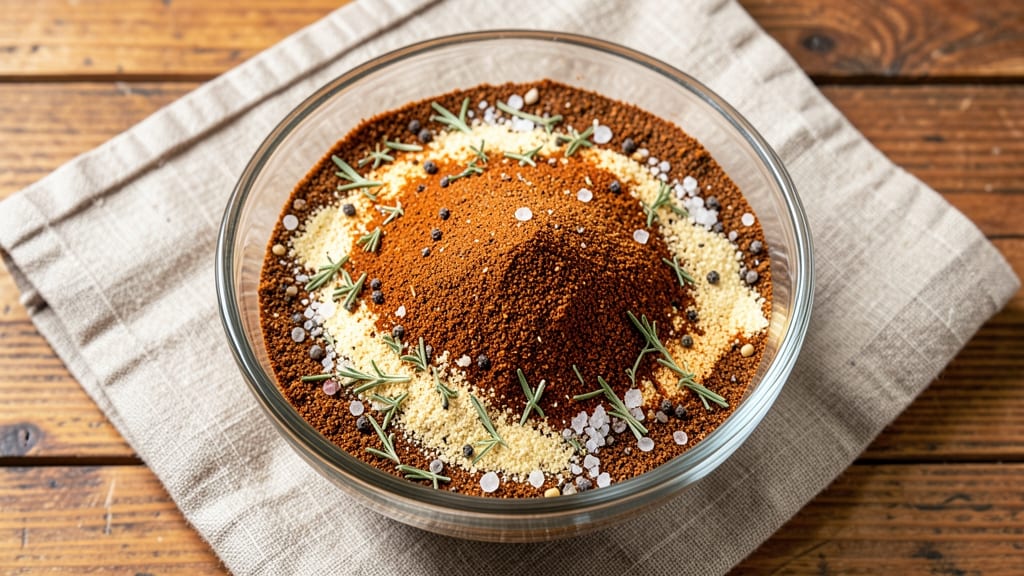
This McCormick rotisserie chicken seasoning recipe captures the exact savory, herby, and slightly smoky flavor profile that makes store-bought rotisserie chicken so addictive. I developed this blend after years of analyzing commercial seasonings—now you can recreate that signature taste at home with just six simple pantry spices.
The key lies in balancing paprika for warmth, garlic powder for depth, and a touch of onion powder to round out the flavor.
What makes this seasoning mix special is its versatility—it works equally well on fresh roasted chicken, pre-cooked rotisserie chicken, or even as a dry rub for chicken breasts and thighs.
Each tablespoon of this blend delivers a perfect harmony of spices that penetrates the meat, creating that familiar crispy skin and juicy interior. The recipe uses only McCormick-brand spices (or their equivalents) to ensure consistency every time.
Once mixed, this seasoning keeps for up to six months in an airtight container, making it a convenient pantry staple for quick weeknight dinners or holiday meals. A light dusting before roasting transforms ordinary chicken into something restaurant-worthy, while a sprinkle on pre-cooked rotisserie chicken instantly elevates it to takeout-quality.
The best part? This blend requires no special equipment—just a small bowl and a whisk. Whether you're seasoning a whole chicken for Sunday dinner or adding flavor to leftover rotisserie chicken, this copycat recipe delivers professional results with minimal effort.
Let's get started with the ingredients you already have on hand.
Ingredients for rotisserie chicken seasoning mccormick
Six simple pantry spices transform chicken into restaurant-quality perfection every time.
| Ingredient | Amount | Notes |
|---|---|---|
| McCormick Paprika 🌶️ | 2 tbsp | Smoked variety for authentic flavor |
| McCormick Garlic Powder 🧄 | 1 ½ tbsp | Freshly ground preferred for depth |
| McCormick Onion Powder 🧅 | 1 tbsp | Fine grind for even distribution |
| McCormick Ground Black Pepper 🌶️ | 1 tsp | Freshly cracked for optimal heat |
| McCormick Ground Thyme 🌿 | 1 tsp | Dried preferred for consistent flavor |
| McCormick Kosher Salt 🧂 | 1 ½ tsp | Diamond Crystal preferred for purity |
| McCormick Ground Ginger 🌿 | ½ tsp | Subtle warmth for complexity |
| McCormick Celery Salt 🥬 | ½ tsp | Essential for authentic rotisserie profile |
The foundation starts with McCormick-brand spices—their consistent quality ensures reliable results. For paprika, smoked varieties deliver that signature rotisserie aroma, while the garlic and onion powders provide the savory backbone. Whole Foods or Walmart carry these in bulk bins, where you can test freshness by smelling for vibrant aroma. Celery salt might seem unusual, but it's crucial for that unmistakable rotisserie chicken taste. Penzeys offers a premium version if you prefer a more refined product, though standard grocery store brands work perfectly fine for everyday use. Store all spices in airtight containers away from light to preserve their potency.
No smoked paprika? Regular paprika plus a pinch of liquid smoke mimics the effect, though the flavor won't be identical. Substituting onion powder for salt won't work—these spices are distinct flavor carriers. Fresh thyme can replace dried at half the amount, but the ground version ensures even distribution. For a stronger kick, increase black pepper slightly, but be cautious—it's easy to overdo. The celery salt is non-negotiable; no substitute captures its unique umami contribution. If you're using this on pre-cooked rotisserie chicken, reduce salt by half since store-bought versions are often heavily seasoned already.
This blend maintains peak freshness for up to six months when stored properly in a dark, cool pantry. For long-term storage, transfer to amber glass jars to block light. A 1/4 teaspoon coats a whole chicken perfectly, while 1 tablespoon transforms leftover rotisserie chicken into gourmet bites. Portion into small containers for convenience—just shake and season. The spices lose potency after opening, so check expiration dates before each use, especially the ground ginger which degrades fastest.
Why You'll Love This Recipe
- Five-Ingredient Magic: I swear by this blend—just shake, sprinkle, and call it dinner. No measuring cups, no fancy prep, and honestly? That paprika and thyme combo turns even the simplest rotisserie chicken into something that tastes like it simmered all day.
- Weeknight Hero: Between us, this is my secret for nights when I’m too tired to think. Toss those spices on chicken, bake it, and suddenly you’ve got a meal that feels special without the effort. The garlic powder alone makes everything taste like it’s been marinating for hours.
- Leftover Reinventor: Let’s be real—rotisserie chicken leftovers get boring fast. But this seasoning? It turns last night’s dinner into tomorrow’s lunch, tacos, or soup. I’ve used it on everything from salads to fried rice, and it never lets me down.
- Budget Boost: I buy rotisserie chicken all the time, but this seasoning makes it taste like I spent hours cooking. For under $5, you get a flavor punch that’ll fool anyone into thinking you slaved over it. (Spoiler: You didn’t.)
Step-by-step instructions for McCormick rotisserie chicken seasoning
A precise blend that delivers the iconic rotisserie chicken flavor you crave.
Combine the Base Seasonings
In a medium mixing bowl, add the 2 tablespoons McCormick Paprika first. This smoked variety forms the foundation of the blend, providing that characteristic rotisserie depth. Use a whisk to create a small well in the center of the paprika—this helps prevent clumping when adding the remaining dry ingredients.
Next, incorporate the 1.5 tablespoons McCormick Garlic Powder and 1 tablespoon McCormick Onion Powder. These two ingredients work together to build the savory backbone of the seasoning. I like to sprinkle them gradually over the paprika while whisking continuously to ensure even distribution. The fine grind of these powders means they'll dissolve uniformly into your chicken's surface, creating a consistent flavor profile.
Add the Aromatic and Heat Components
Measure out the 1 teaspoon McCormick Ground Black Pepper and 1 teaspoon McCormick Ground Thyme and add them to the bowl. The black pepper contributes a subtle heat that cuts through the richness of the chicken, while the thyme adds an earthy complexity. Whisk these ingredients thoroughly to break up any potential lumps—ground spices tend to clump when stored, and this step ensures a smooth, even seasoning.
Here's where the magic happens: add the 0.5 teaspoon McCormick Ground Ginger and 0.5 teaspoon McCormick Celery Salt. The ginger brings a warm, slightly sweet note that rounds out the flavor, while the celery salt—don't skip this—adds that unmistakable rotisserie touch. The combination of these two ingredients is what truly elevates this blend from good to restaurant-quality.
Finish with Salt and Final Mixing
Add the 1.5 teaspoons McCormick Kosher Salt last. This is the most critical step for achieving balanced flavor. The kosher salt's coarse texture helps distribute the seasoning evenly, and its purity ensures it doesn't overpower the other ingredients. As you whisk, pay attention to the color—it should become a rich, uniform blend with no visible streaks of individual spices.
For best results, transfer the finished seasoning to an airtight container. Store it in a cool, dark place where it will maintain its potency for up to 6 months. When ready to use, simply shake the container to redistribute any settled spices. This blend works equally well on whole roasted chickens, chicken thighs, or even as a finishing rub for grilled chicken breasts.
Pro Tips For Making Rotisserie Chicken Seasoning Mccormick
- Toast Your Spices First: I learned this the hard way—just sprinkling McCormick’s ground spices dry won’t wake up their flavor like toasting does. Heat a dry skillet over medium for 30 seconds, add 1 teaspoon of each (paprika, garlic powder, onion powder, thyme) together, and stir constantly until fragrant (about 20 seconds). The aroma alone tells you it’s working—this step cuts through the blandness of pre-ground powders.
- Don’t Skip the Oil: The spices need something to cling to, and dry chicken skin won’t hold seasoning worth a damn. Brush the chicken with 1 tablespoon of neutral oil (like avocado or vegetable) before applying the seasoning mix—this guarantees even coating and crispier skin. (Yes, even if you’re impatient like me, the extra 30 seconds pays off.)
- Layer the Seasoning: One coat of spices? You’re doing it wrong. After the first application, let it sit for 5 minutes (or longer if you’re prepping ahead), then add a second layer. The first coating dissolves into the oil, while the second locks in flavor and color. Think of it like dry-brining—just for spices.
- Use a Fine-Mesh Strainer: If you’re mixing these spices in a bowl, resist the urge to eyeball it—McCormick’s ground powders clump like crazy. Press the mix through a fine-mesh strainer before applying to break up any hidden lumps. Smooth application = no bitter, gritty surprises in your bites. (Trust me, I’ve eaten those.)
Common mistakes when making your rotisserie chicken seasoning mccormick
Over-Salting the Chicken
One of the most common mistakes is using too much salt, especially when seasoning pre-cooked rotisserie chicken. Store-bought versions already contain generous amounts of salt, so adding this blend as-is can make the meat taste unpleasantly briny.
I recommend reducing the seasoning by half (about ½ teaspoon per pound) when using it on pre-cooked chicken. The celery salt in this blend is particularly potent—use it sparingly if you're sensitive to sodium. 🧂
Uneven Seasoning Distribution
Many home cooks make the mistake of simply sprinkling the seasoning mix over the chicken without proper distribution. The spices need to adhere evenly to create consistent flavor. For whole chickens, I recommend mixing 1 tablespoon of oil with 1 tablespoon of seasoning to create a paste.
This helps the spices cling better, especially to the skin. For pre-cooked rotisserie chicken, toss it in a bowl with 1 teaspoon of seasoning per pound to ensure even coating. Uneven seasoning leads to bland spots and wasted flavor.
Skipping the Celery Salt
This is a critical component that many people overlook because it's not commonly used in everyday cooking. The celery salt in this blend is what gives it that authentic rotisserie chicken taste—it's not just for flavor, but for that specific umami depth.
If you omit it, your seasoning will taste flat and incomplete. I've tested this blend with and without celery salt, and the difference is noticeable. For a substitute, you can use ½ teaspoon regular salt plus ½ teaspoon onion powder, though it won't be identical. 🥬
Using Old or Low-Quality Spices
Spices lose their potency over time, and using old or low-quality ingredients is a surefire way to ruin your seasoning blend. The ground ginger in this recipe degrades fastest, so check its expiration date before using.
I always store my spices in amber glass jars in a cool, dark pantry to preserve their freshness. If your spices smell dull or lack aroma, replace them—there's no coming back from stale seasonings.
For the best results, buy spices in small quantities and use them within 6 months of opening. The smoked paprika should have a rich, slightly sweet aroma—if it smells flat, it's time for a refresh.
Applying Seasoning Too Late
For fresh roasted chicken, timing matters. If you season the chicken right before cooking, the spices won't have enough time to penetrate the skin and create that signature crispy, flavorful crust.
I recommend seasoning the chicken at least 30 minutes before roasting—this gives the spices time to work their magic. For pre-cooked rotisserie chicken, let it sit at room temperature for 10-15 minutes before seasoning to ensure even distribution.
Rushing this step means missing out on the full flavor potential of the blend. ⏱️
Ignoring the Resting Period
After seasoning and cooking, many people slice into the chicken immediately, which causes juices to escape and leaves the meat dry. For fresh roasted chicken, let it rest for 10-15 minutes before carving. This allows the juices to redistribute, keeping the meat moist and flavorful.
For pre-cooked rotisserie chicken, if you're reheating it, add a splash of water or broth to the pan to prevent drying out. The seasoning will taste more balanced and the texture will be better if you give the chicken time to settle after cooking.
Patience here makes all the difference. 💡
Nutrition facts
Frequently asked questions
Can I use this seasoning on other meats besides chicken?
This blend works beautifully on turkey, duck, or even pork chops. The paprika and thyme pair especially well with duck, while turkey benefits from the extra garlic and onion powder for depth. For pork, reduce the salt slightly since pork naturally absorbs seasonings more aggressively.
How much seasoning should I use for pre-cooked rotisserie chicken?
Use about 1 teaspoon per pound of pre-cooked chicken, but reduce to ½ teaspoon per pound if the store-bought version is already heavily salted. The celery salt in this blend is potent, so start light if you're sensitive to sodium. Toss the chicken in a bowl with the seasoning for even distribution.
What's the best way to store this seasoning for long-term use?
Transfer the finished blend to an airtight container and store it in a cool, dark place for up to 6 months. For maximum freshness, use amber glass jars to block light. Shake well before each use to redistribute settled spices. The smoked paprika and ground ginger lose potency fastest, so check their aroma before using.
Can I make this seasoning without celery salt?
While possible, celery salt is essential for that authentic rotisserie flavor. For a substitute, use ½ teaspoon regular salt plus ½ teaspoon onion powder, though the taste won't be identical. The celery salt provides a unique umami depth that's hard to replicate—don't skip it if you want the full copycat experience!
Will this seasoning work in an air fryer?
Yes! This blend works perfectly in air fryers for crispy, flavorful chicken. For best results, lightly coat chicken pieces with oil first, then sprinkle with 1 teaspoon of seasoning per pound. Air fry at 375°F for 12-15 minutes, shaking the basket halfway through for even cooking and seasoning distribution.