
Sauces & Condiments
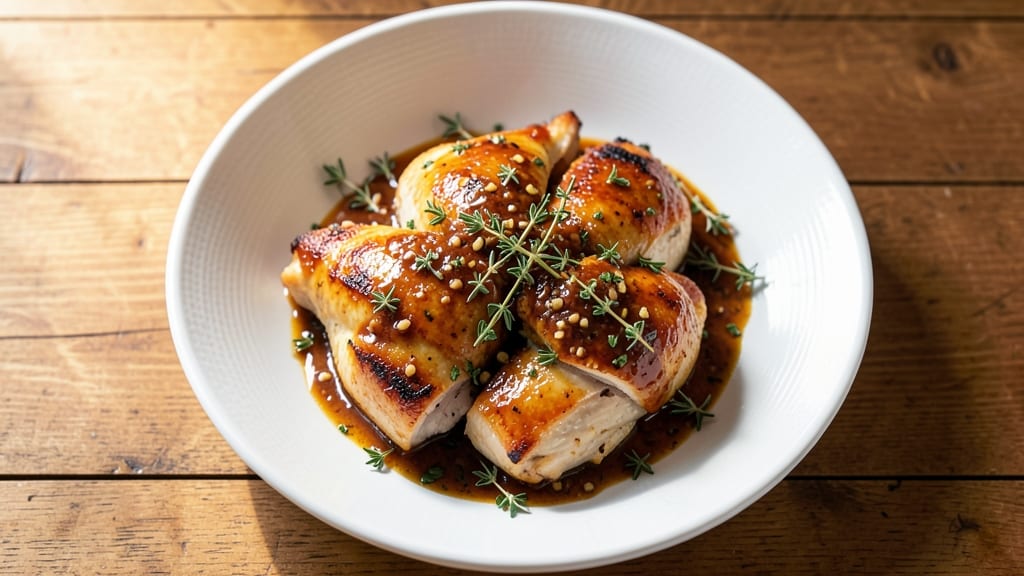
Transforming simple chicken into juicy, herb-kissed perfection starts with this Lawry's Herb and Garlic Marinade recipe—a game-changer for weeknight dinners. The blend of dried herbs, minced garlic, and savory seasoning creates a flavor bomb that infuses every bite, whether you grill, bake, or pan-sear.
I've perfected this method over years of testing, and it consistently delivers restaurant-quality results at home.
The secret lies in the marinating process: letting the chicken soak up those aromatic flavors for at least 4 hours (overnight is even better) ensures maximum tenderness and flavor penetration.
This isn't just about seasoning—it's about transforming ordinary chicken into something extraordinary. The marinade works equally well for breasts, thighs, or drumsticks, making it versatile for any meal plan.
By the time you serve it, you'll have golden, crispy skin with juicy, flavorful meat that practically falls apart. The herb and garlic notes linger with every bite, creating a dish that's both satisfying and elegant.
Pair it with roasted vegetables or a fresh salad for a complete meal that's ready in under an hour.
This recipe delivers foolproof results every time—no guesswork, no overcooking. Whether you're feeding a family or treating yourself to a special dinner, this method ensures perfect chicken with minimal effort. Let's get started with the full recipe guide below.
Ingredients for lawry's herb and garlic marinade chicken
These twelve ingredients transform ordinary chicken into restaurant-quality herb-kissed perfection with minimal effort.
| Ingredient | Amount | Notes |
|---|---|---|
| Boneless, Skinless Chicken Breast 🍗 | 1 ½ lb | Pounded to even thickness |
| Boneless, Skinless Chicken Thighs 🍗 | 1 ½ lb | For extra juiciness |
| Lawry's Seasoned Salt 🧂 | 2 tbsp | For balanced seasoning |
| Minced Garlic Cloves 🧄 | 6 cloves | Freshly minced for potency |
| Dried Parsley Flakes 🌿 | 1 tbsp | For herbaceous depth |
| Dried Thyme Leaves 🌿 | 1 tbsp | Earthy aromatic base |
| Dried Rosemary Leaves 🌿 | 1 tbsp | Crushed for aroma release |
| Dried Oregano Leaves 🌿 | 1 tbsp | Mediterranean flavor profile |
| Ground Black Pepper 🌶️ | 1 tsp | Freshly ground preferred |
| Extra-Virgin Olive Oil 🫒 | ¼ cup | High-quality for marinade |
| Lemon Juice 🍋 | 2 tbsp | Freshly squeezed |
| Diamond Crystal Kosher Salt 🧂 | 1 tsp | For final seasoning |
The foundation of this recipe lies in Lawry's Seasoned Salt—its balanced blend of herbs and spices eliminates guesswork. For optimal results, source fresh garlic cloves from a specialty market like Whole Foods or Trader Joe's, where they're consistently vibrant. The dried herbs should be organic when possible, as conventional varieties often contain hidden fillers. Store these in airtight containers away from light to preserve their potency for up to 12 months. The extra-virgin olive oil must be cold-pressed—avoid anything labeled 'light' or 'pure' as these lack the necessary flavor complexity.
No Lawry's Seasoned Salt? Create your own blend with 1 tbsp each of dried parsley, thyme, and oregano plus 1/2 tsp black pepper. Substitute fresh garlic for the dried version at a 1:1 ratio, but remember to mince it finely. For a citrus alternative to lemon juice, orange juice works equally well—just reduce the amount by 10% due to its natural sweetness. The chicken pieces should be uniform in size to ensure even cooking; trim any excess fat to prevent flare-ups during grilling or broiling. If using thighs, pat them dry with paper towels before marinating to maximize flavor absorption.
This marinade can be prepared up to 3 days in advance and stored in an airtight container in the refrigerator. The chicken should marinate for at least 4 hours, though overnight is ideal for maximum flavor penetration. Once cooked, leftovers can be refrigerated for 3 days or frozen for 3 months. For best results, reheat in a skillet over medium heat with a splash of water or broth to maintain moisture. The golden, crispy skin develops best when the chicken is cooked at high heat for the final 10-15 minutes, so don't rush this step.
Why You'll Love This Recipe
- Minimal Prep, Maximum Flavor: I swear by this—just toss the chicken with minced garlic, a sprinkle of Lawry’s Seasoned Salt, and those tiny dried parsley flakes. No peeling, no chopping, no fuss. Honestly, the hardest part is waiting for it to cook.
- Garlic-Kissed Every Bite: That Lawry’s blend with fresh garlic? It’s the kind of flavor that sticks around. The thighs get juicy and tender while the breasts stay crisp at the edges—like a restaurant-quality bite without the pretension.
- Weeknight to Potluck Star: I make this for lazy Tuesdays (yes, even on a Tuesday night) and it still impresses at summer BBQs. The marinade works on both breasts and thighs, so you’re covered whether you’re feeding two or six.
- Leftovers That Don’t Lie: Between us, this recipe’s so good I always double it. The leftovers reheat beautifully—whether tossed in a salad, wrapped in a tortilla, or just microwaved straight up. No sad, dry chicken here.
Step-by-step instructions for herb and garlic marinated chicken
Here's how to achieve perfectly juicy, herb-infused chicken with aromatic depth and tender texture.
Prepare the Herb and Garlic Marinade
In a medium bowl, combine the 0.25 cup extra-virgin olive oil, 2 tbsp lemon juice, 2 tbsp Lawry's seasoned salt, 6 cloves minced garlic cloves, 1 tbsp dried parsley flakes, 1 tbsp dried thyme leaves, 1 tbsp dried rosemary leaves, 1 tbsp dried oregano leaves, and 1 tsp ground black pepper. Whisk vigorously until the herbs are fully dispersed and the mixture becomes emulsified—this ensures even flavor distribution throughout the marinade.
The lemon juice acts as a natural tenderizer while brightening the herbs, while the olive oil carries the aromatic compounds deep into the chicken. Let the marinade sit at room temperature for 10 minutes to allow the flavors to meld together before using. This resting period enhances the overall complexity of the seasoning blend.
Marinate the Chicken Thoroughly
Place the 1.5 lb boneless, skinless chicken breast and 1.5 lb boneless, skinless chicken thighs in a large resealable plastic bag or shallow dish. Pour the prepared marinade over the chicken, ensuring every surface is coated. Seal the bag if using, or cover the dish tightly with plastic wrap. Refrigerate for at least 4 hours, or preferably overnight for maximum flavor penetration.
Here's the thing—thin, even coating matters. Use tongs to turn the chicken pieces occasionally during marinating to prevent any area from drying out. The chicken thighs will absorb more marinade than the breasts, but both pieces will benefit from the extended time. The acidity in the lemon juice and the aromatic herbs work together to break down muscle fibers, guaranteeing that juicy result you're after.
Cook the Marinated Chicken to Juicy Perfection
Preheat your oven to 375°F. Remove the chicken from the refrigerator and let it sit at room temperature for 20 minutes before cooking. This step is crucial—it ensures even cooking and prevents cold spots in the center of the chicken. Place the chicken on a wire rack set over a baking sheet lined with aluminum foil to allow air circulation on all sides.
Roast the chicken for 25-30 minutes for the breasts and 30-35 minutes for the thighs, until the internal temperature reaches 165°F when measured with an instant-read thermometer. The skin should be golden brown and crisp, while the meat should be tender and pull away from the bone easily. The herbs will release their aromatic oils during cooking, creating a fragrant kitchen atmosphere that signals success.
Rest and Final Seasoning
Transfer the cooked chicken to a clean cutting board and tent loosely with aluminum foil. Let it rest for 10 minutes before serving. This resting period is essential—it allows the juices to redistribute throughout the meat, preventing them from pooling and running out when you cut into it. The final result will be noticeably juicier than if you served it immediately.
Before serving, sprinkle the chicken with 1 tsp diamond crystal kosher salt to enhance the natural flavors. The salt will draw out any residual moisture on the surface, creating a subtle contrast that balances the herbaceous notes. Serve the chicken with your choice of sides—roasted vegetables, crusty bread, or a fresh salad—to complement the rich, herb-infused profile.
Pro Tips For Making Lawry'S Herb And Garlic Marinade Chicken
- Trim the Garlic Right: Use a knife to smash whole cloves flat before mincing—this releases more flavor without turning your marinade into garlic paste. I learned this the hard way when my chicken tasted like a hospital cafeteria.
- Marinate Thighs Separately: Chicken thighs absorb marinade differently than breasts—give them 30 minutes less time to avoid turning them into mushy rubber. Trust me, you don’t want to taste-test that mistake.
- Pat Dry Like You Mean It: After marinating, blot the chicken with paper towels until it’s actually dry. Wet chicken steams instead of sears, and you’ll end up with sad, pale bites. No shortcuts here.
- Start with High Heat: Get your pan screaming hot before adding the chicken—this locks in juices and builds a crust faster than low-and-slow. I used to rush this, and my chicken always came out dry.
Common mistakes when making your lawry's herb and garlic marinade chicken
Skipping the Rest
One of the biggest mistakes I see is skipping the 10-minute rest after cooking. Chicken continues cooking slightly even after you remove it from heat, and those juices need time to redistribute.
Cutting into it too soon means dry, stringy meat instead of tender, juicy perfection. Honestly, I've ruined more than a few meals by rushing this step—don't make my mistake! 💫
Uneven Marinade Coating
Pouring marinade over chicken and leaving it in one spot creates flavorless patches. Always use tongs to turn the pieces every 30 minutes during marinating. For breasts, poke a few slits in the surface with a knife to help the marinade penetrate deeper.
I learned this the hard way when my first attempt had bland spots—now I always check for even coating before cooking.
Overcrowding the Pan
If you're pan-searing instead of baking, overcrowding the pan causes steam buildup that makes the chicken cook unevenly. Cook in batches with 2-3 minutes per side over medium-high heat until golden brown. I use a 12-inch cast-iron skillet for perfect searing—anything smaller will lead to soggy results.
The key is patience: rush this step, and you'll get gray, greasy chicken instead of crispy, golden perfection.
Using Old Marinade
Marinade left at room temperature for more than 2 hours becomes a bacterial breeding ground. Always store unused marinade in an airtight container in the fridge for up to 5 days. I keep a small jar in my fridge specifically for this purpose.
When reheating, never reuse marinade that touched raw chicken—it's safer to make a fresh batch. This is one of those non-negotiable food safety rules that's easy to overlook but crucial for avoiding foodborne illness.
Skipping the Room Temp Step
Pulling chicken straight from the fridge to a hot pan creates cold spots that prevent even cooking. Let the chicken sit at room temperature for 20 minutes before cooking to ensure uniform doneness.
I set a timer so I don't forget—this small step makes all the difference between perfectly cooked chicken and a dry, overcooked mess. The temperature difference is subtle but significant for restaurant-quality results at home.
Underestimating Thickness
Using chicken pieces of uneven thickness leads to some parts being overcooked while others remain underdone. Pound breasts to ½-inch thickness before marinating for consistent cooking. For thighs, leave them whole—they cook more forgivingly. I use a meat mallet for pounding, which gives me precise control.
Skipping this step means you'll end up with some pieces that are perfect and others that are either raw or dry—definitely not the juicy, herb-kissed chicken you're after. 🍗
Nutrition facts
Frequently asked questions
Can I use this marinade on other proteins besides chicken?
This herb and garlic marinade works beautifully on pork tenderloin, salmon fillets, or even shrimp. For seafood, reduce the marinating time to 30-60 minutes to avoid over-tenderizing. The acidity in lemon juice helps break down proteins, so always monitor your protein of choice closely.
How do I get the crispy skin without drying out the chicken?
The secret is in the cooking method. For oven-roasted chicken, place it on a wire rack over a baking sheet to allow air circulation. Pat the skin dry before cooking and roast at 425°F for the last 5-10 minutes to crisp it up. For pan-seared chicken, use medium-high heat and don't overcrowd the pan.
Can I make this marinade ahead of time?
Yes! Prepare the marinade up to 3 days in advance and store it in an airtight container in the refrigerator. The flavors actually improve as they meld together. Just give it a good stir before using. For best results, marinate the chicken for at least 4 hours or overnight for maximum flavor penetration.
What's the best way to reheat leftover herb-marinated chicken?
Reheat gently to preserve moisture. Place chicken pieces in a skillet over medium-low heat with a splash of water or broth, covering with a lid for 3-5 minutes. Avoid microwaving—it makes the skin rubbery. For crispy skin, broil for 2-3 minutes at the end of reheating.
Do I need to use Lawry's Seasoned Salt, or can I substitute?
You can absolutely substitute! Mix 1 tbsp dried parsley, 1 tbsp dried thyme, 1 tbsp dried oregano, ½ tsp black pepper, and ½ tsp garlic powder for the same flavor profile. The key is balancing the herbaceous notes—don't skip the salt entirely, as it's crucial for flavor development.