
Sauces & Condiments
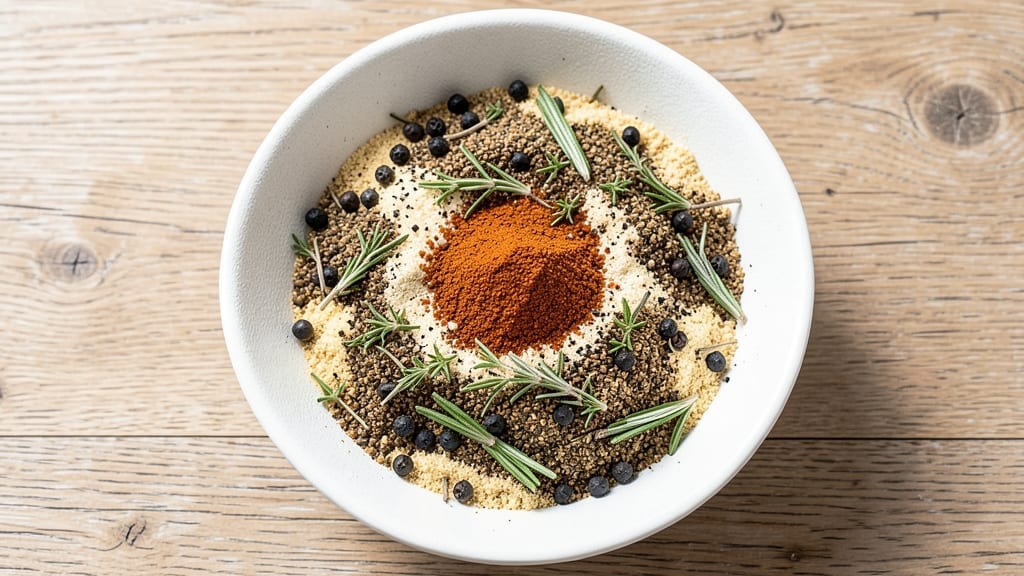
Creating a Kinder's roast chicken seasoning recipe that delivers juicy, golden skin starts with the right dry rub blend—one that balances earthy spices with fresh herbs for that signature restaurant-quality flavor.
This herb-packed mix transforms an ordinary roast chicken into something extraordinary with minimal effort, using just six simple pantry staples. The secret lies in the precise ratio of garlic powder, onion powder, and smoked paprika, which work together to create a flavor bomb that clings to every crispy bite.
What makes this seasoning blend special is its versatility—it works equally well on whole roasted chickens, chicken thighs, or even as a dry brine for turkey. The combination of thyme and rosemary adds aromatic depth, while black pepper and salt ensure the skin crisps to a perfect golden brown.
Unlike store-bought seasoning packets, this blend delivers a more complex flavor profile that stands up to high-heat roasting without overpowering the natural taste of the chicken.
With just a few tablespoons of this dry rub, you’ll achieve that coveted juicy interior and crispy, caramelized exterior that makes every bite worth savoring. The spices are designed to mellow slightly during roasting, releasing their full potential only when the chicken reaches its ideal temperature.
This is the kind of seasoning that turns weeknight dinners into memorable meals—no fancy techniques required, just quality ingredients and a little patience.
The best part? This blend keeps well in an airtight container for up to six months, so you’ll always have a flavorful shortcut on hand.
Whether you're roasting a whole chicken for a family gathering or prepping chicken thighs for meal prep, this seasoning mix delivers restaurant-quality results with every use. Let’s get started on creating your own blend!
Ingredients for kinder's roast chicken seasoning
Six spices, one extraordinary flavor. This blend turns ordinary chicken into restaurant-worthy perfection.
| Ingredient | Amount | Notes |
|---|---|---|
| Smoked Paprika 🌶️ | 2 tbsp | High-quality for smoky depth |
| Garlic Powder 🧄 | 2 tsp | Freshly ground preferred |
| Onion Powder 🧅 | 2 tsp | For sweet base flavor |
| Dried Thyme 🌿 | 1 tbsp | French or English preferred |
| Dried Rosemary 🌿 | 1 tbsp | Finely chopped for even distribution |
| Black Pepper 🌶️ | 1 tsp | Freshly cracked for heat |
| Kosher Salt 🧂 | 1 tbsp | Diamond Crystal preferred |
The smoked paprika is non-negotiable—it's what gives that signature depth. Penzeys or the bulk bins at Whole Foods carry the best quality, but any reputable brand works if it's labeled 'smoked'. The garlic and onion powders should be freshly ground (that means checking the date—if it's been sitting for months, toss it). For the herbs, dried thyme and rosemary are key, but if you're feeling fancy, grab fresh from a Latin market—just dry it yourself for better flavor. The black pepper should be freshly cracked right before use, and Diamond Crystal kosher salt is your best bet for even distribution without over-salting.
No smoked paprika? Regular paprika plus a pinch of liquid smoke gets you close, though it's not quite the same. Short on thyme? Dried oregano at half the amount works in a pinch (though it won’t be identical). The rosemary can be swapped for dried marjoram, but you’ll lose that piney aroma. If you’re using fresh herbs, dry them first by spreading on a baking sheet at 200°F for 30-45 minutes—they’ll keep for months this way. And for the salt, if you only have table salt, use half the amount—it’s finer and more concentrated.
Store this blend in an airtight container away from light and heat—it’ll stay potent for up to 6 months. I like to portion it into small jars so I always have it ready for roasting. The spices mellow slightly over time, so if you notice a loss of punch, just add a little extra when using. This mix is worth making in bulk—double the recipe and keep it on hand for holidays or weeknight dinners. Trust me, your chicken will thank you.
Why You'll Love This Recipe
- Five-Ingredient Magic: I swear by this mix—just toss those five spices together, and boom, your chicken tastes like it’s been slow-roasted for hours. No fancy prep, no stress, just pure flavor.
- Smoky Depth in Minutes: That smoked paprika? It’s the secret weapon—gives the skin a gorgeous crust while keeping the meat juicy inside. Honestly, it’s the kind of taste that makes you slow down and savor every bite.
- Sunday Dinner or Weeknight Fix: Works for a fancy dinner with guests or a lazy Tuesday when you just need protein. I’ve used it on whole chickens, thighs, even roasted potatoes—it’s my go-to for anything that needs a little oomph.
- Budget-Friendly Leftovers: A single batch of this seasoning stretches across multiple meals, and the flavors only get better as the chicken rests. Between us, I’ve turned last night’s dinner into today’s lunch without breaking the bank.
Step-by-step instructions for Kinder's roast chicken seasoning
Here's how to blend these simple ingredients into a flavor bomb that'll transform your chicken into juicy, golden perfection.
Measure All Ingredients Precisely
Start by gathering all your ingredients and measuring them out exactly as listed. I like to use a small bowl for this step to keep everything organized. The 2 tablespoons smoked paprika gives that signature smoky depth that makes this seasoning special—don't skimp here. For the powders, I use a measuring spoon and tap it gently on the counter to level off the excess.
Next, measure out the 2 teaspoons garlic powder and 2 teaspoons onion powder. These two work together to create a sweet, savory base that lets the herbs shine. The 1 tablespoon dried thyme and 1 tablespoon dried rosemary should be finely chopped if possible—this ensures even distribution when you apply the rub. If your rosemary is whole, I recommend crushing it lightly with a mortar and pestle or rolling pin before measuring.
Whisk Everything Together Thoroughly
Transfer all the measured ingredients to a medium-sized mixing bowl. Using a whisk, combine everything until it's completely uniform in color and texture. This is where the magic happens—the herbs and spices blend together to create a cohesive flavor profile. I like to whisk for about 30 seconds to make sure there are no pockets of undiluted salt or pepper.
Here's the thing—don't be tempted to rush this step. The goal is to have a fine, even powder that'll cling perfectly to your chicken. If you see any larger pieces of rosemary or thyme, give them an extra few seconds with the whisk. The seasoning should look like a rich, earthy brown blend with no visible chunks. This ensures every bite of your chicken gets that full flavor experience.
Store Properly for Maximum Freshness
Once your seasoning is perfectly blended, transfer it to an airtight container. I prefer glass jars with tight-sealing lids because they keep the spices fresh longer. Store it in a cool, dark place—like your pantry—where it'll stay good for up to 3 months. If you're planning to use it within a couple weeks, the refrigerator works too, though the flavor won't degrade as quickly at room temperature.
This seasoning makes about 4 servings worth of rub—enough to coat a whole chicken or make multiple smaller batches. Each time you use it, give the container a good shake before measuring to ensure even distribution. The key to juicy chicken lies in this even coating—every nook and cranny of the bird should get this flavorful treatment. When you're ready to use it, just pat your chicken dry and apply the rub generously before roasting.
Pro Tips For Making Kinder'S Roast Chicken Seasoning
- Toast the Spices First: Smoked paprika and dried herbs pack more punch when you toast them in a dry pan for 30 seconds before mixing. The heat wakes up their flavors—no need to go crazy, just until you smell that earthy aroma. (I used to skip this, and the seasoning always tasted flat.)
- Measure Herbs by Spoonfuls: Dried thyme and rosemary are potent—use 1 teaspoon each, not the vague "pinch" most recipes suggest. Too much rosemary can taste like pine needles, and thyme will overpower the smoky paprika. (I learned this after making a batch that tasted like a Christmas tree.)
- Pat the Chicken Dry: Before applying the seasoning, dry the chicken skin thoroughly with paper towels. Moisture blocks the spices from sticking, so they won’t crisp properly. (Yes, it’s tedious, but the difference in texture is night and day.)
- Mix with Fat: Blend the seasoning with 1 tablespoon of melted butter or oil before rubbing it on. The fat helps distribute the spices evenly and creates a better crust. (I used to just sprinkle dry—it clumps like dust and falls off.)
Storing and reheating your kinder's roast chicken seasoning
Refrigerator Storage
Store your homemade seasoning in an airtight glass container (I love Ball mason jars for this) in the fridge to preserve maximum freshness. The cooler temperature slows down the spices' natural oils from breaking down, keeping the flavor vibrant for up to 2 months.
I like to portion mine into small jars—this way, I can grab exactly what I need without exposing the whole batch to air each time. Just remember to let it sit at room temperature for 10 minutes before using to avoid moisture buildup. 🌿
Freezer Preservation
For long-term storage, freeze your seasoning in ice cube trays—yes, really! Each cube makes a perfect single-use portion. Once frozen, transfer the cubes to a ziplock freezer bag and flatten to save space. This method keeps the seasoning potent for up to 6 months without losing any punch.
When you're ready to use it, just let one cube thaw at room temperature before applying. The frozen cubes also prevent clumping better than bulk storage. ❄️
Reheating Seasoned Chicken
If you've seasoned chicken in advance and stored it in the fridge, reheat it properly to maintain moisture. Place the chicken on a wire rack over a baking sheet and warm in a 375°F oven for 15-20 minutes—this prevents soggy skin.
For leftovers, I prefer this method over the microwave because it crisps the skin back up beautifully. If using the microwave, cover with a damp paper towel and heat in 30-second bursts until reaching 165°F internal temperature. 🔥
Reviving Old Seasoning
If your seasoning has lost some of its kick after sitting too long, revive it by adding ½ teaspoon of fresh lemon zest or ¼ teaspoon of ground cinnamon to the mix. The acidity from the lemon brightens the flavors, while the cinnamon adds warmth.
I also like to toast the spices lightly in a dry skillet over medium heat for 30 seconds—this reactivates their aromatic compounds. Just don't overdo it, or you'll burn them! ✨
Seasoning Chicken Ahead
For maximum flavor development, season your chicken 12-24 hours before cooking and store it uncovered in the fridge. This dry-brining technique allows the spices to penetrate deeper, creating a more flavorful crust. Just pat the chicken dry right before roasting to ensure a crispy skin.
I do this for whole chickens on Sunday mornings—it makes the most delicious dinner with almost no extra effort. 💫
Storage Containers
Invest in a few small glass jars with tight-sealing lids for your seasoning blend. I keep one on my spice rack for daily use and another in the freezer for backup. Avoid plastic containers—they can absorb odors and shorten the shelf life.
If you're tight on space, stackable spice canisters work well too. Just make sure they're completely sealed to keep moisture out. 🧂
Nutrition facts
Frequently asked questions
Can I use this seasoning on chicken other than whole roasts?
This blend works perfectly on chicken thighs, drumsticks, or even breasts. For thighs and drumsticks, use about 1 tablespoon per pound of meat. For breasts, reduce to ½ tablespoon per pound since they cook faster and can dry out. The key is to pat the chicken dry first—this helps the seasoning cling better and creates that coveted crispy skin.
How do I adjust the seasoning for spicier or milder flavor?
For extra heat, add ½ teaspoon cayenne pepper or 1 teaspoon chili powder to the blend. For a milder version, reduce the black pepper to ½ teaspoon and omit the smoked paprika (replace with regular paprika). Remember, the smoked paprika is what gives this blend its signature depth—if you remove it entirely, the flavor profile will change noticeably.
Can I make this seasoning without smoked paprika?
Yes, but the flavor will be different. Replace the 2 tablespoons smoked paprika with 1 tablespoon regular paprika plus ½ teaspoon liquid smoke. The liquid smoke mimics the smoky depth, though it won’t be identical. For best results, use a high-quality paprika (like Spanish or Hungarian) and add a pinch of ground coriander to round out the flavor.
Why does my chicken skin sometimes turn out pale instead of golden?
Pale skin usually means the chicken wasn’t dry enough before seasoning or the oven temperature fluctuated. Always pat your chicken dry with paper towels before applying the rub, and use a meat thermometer to ensure your oven stays at 375°F. If your oven runs hot or cold, consider using an oven thermometer. Also, avoid covering the chicken with foil too early—let it roast uncovered for the first 45 minutes to develop that golden crust.
How much seasoning should I use for a whole chicken?
For a 4-5 pound whole chicken, use about 2 tablespoons of this seasoning, divided evenly between the inside and outside. Rub the skin generously, including under the wings and legs where flavor often gets missed. If you’re using it as a dry brine (seasoning ahead), increase to 3 tablespoons and let it sit uncovered in the fridge for 12-24 hours before roasting. This maximizes flavor penetration and crispiness.