
Main Courses
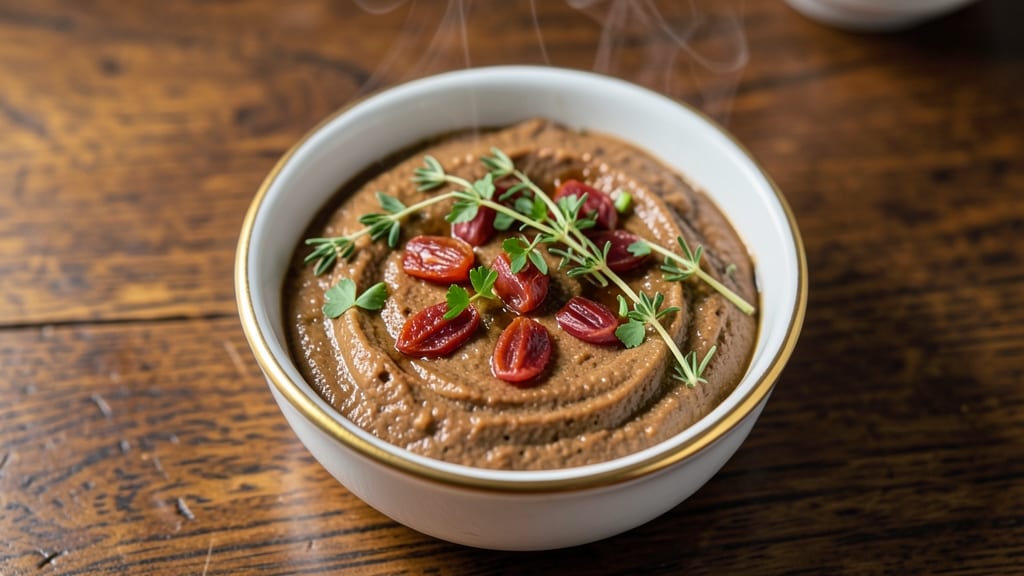
There’s no greater joy of cooking this rich chicken liver pâté recipe than turning simple ingredients into a dish that feels like a celebration on a plate.
The velvety texture and rich, herby depth make it perfect for special occasions or elegant weeknight dinners—though I often find myself making it just because. My version balances traditional techniques with a touch of brandied warmth that elevates the classic recipe.
This pâté starts with fresh chicken livers, carefully blanched and finely chopped to create a smooth, luxurious base. The secret lies in slow cooking the mixture with aromatic herbs, shallots, and a splash of brandy, which infuses depth without overpowering.
Unlike some recipes, I avoid excessive butter, instead relying on a perfect balance of fat and flavor to achieve that signature melt-in-your-mouth consistency.
Once shaped and chilled, the pâté develops a firm yet tender texture, ready to be sliced into delicate portions. Serve it with crusty bread, crackers, or as part of a charcuterie board—its complexity makes it equally at home in a formal gathering or a casual weekend brunch.
The key is patience; letting the flavors meld during the cooking and chilling process ensures every bite is rich, cohesive, and unforgettable.
For those new to pâté, don’t be intimidated—the process is simpler than it seems. With the right technique and a little attention to detail, you’ll achieve professional results that taste like they’ve been crafted by a seasoned chef. Let’s get started on creating something truly special.
Ingredients for joy of cooking chicken liver pate
Fresh livers, aromatic herbs, and a splash of brandy—this pâté transforms simple ingredients into something truly special.
| Ingredient | Amount | Notes |
|---|---|---|
| Chicken Livers 🍗 | 1 ½ lb | Fresh, trimmed of connective tissue |
| Unsalted Butter 🧈 | ½ cup | Cold, cubed for slow rendering |
| Shallots 🧅 | ½ cup | Finely minced, about 4-5 whole |
| Fresh Thyme Leaves 🌿 | ¼ cup | Stems removed, loosely packed |
| Fresh Parsley Leaves 🌿 | ¼ cup | Flat-leaf preferred, loosely packed |
| Brandy 🍷 | ¼ cup | Good quality, 80-proof minimum |
| Heavy Cream 🥛 | ½ cup | Full-fat for richness |
| Garlic Cloves 🧄 | 2 cloves | Minced, about 1 tsp total |
| Salt 🧂 | 1 tsp | Kosher or sea salt |
| Black Peppercorns 🌶️ | ½ tsp | Freshly cracked |
| All-Purpose Flour 🌾 | 1 tbsp | For thickening if needed |
Chicken livers are the star, so buy the freshest you can find—look for bright red color and no grayish edges at Whole Foods or your local butcher. Trim off any connective tissue or gristle before cooking. The butter matters too; European-style or grass-fed adds depth. For the herbs, fresh is non-negotiable here—they need to be vibrant and fragrant. If you're using dried, double the amount and toast them lightly first. The brandy should be good quality—Korbel or a small-batch brandy from the liquor store works perfectly. No need to splurge on expensive stuff, but avoid the cheap cooking brandy.
No brandy? Substitute with apple cider or even chicken stock—just add a splash of vanilla extract for depth. Fresh herbs wilt fast, so if you're prepping ahead, store them in a jar of water like flowers in the fridge. The butter can be swapped for duck fat if you're feeling fancy, but stick with butter for classic flavor. For the shallots, if you can't find them, substitute with finely chopped red onion, though it'll be slightly sharper. The heavy cream can be replaced with crème fraîche for tang, but it'll change the texture slightly. And if you're worried about the pâté being too rich, add a splash of lemon juice at the end for brightness.
This pâté tastes even better the next day after the flavors meld, so make it a day ahead if possible. Store it in an airtight container in the fridge for up to 5 days, covered with a thin layer of butter or cream to prevent drying. For longer storage, freeze in portions for up to 3 months. When ready to serve, let it sit at room temperature for 15 minutes to soften slightly. The texture should be firm yet tender—if it's too soft, it needs more chilling time. Serve with crusty bread or crackers, and trust me, it'll disappear fast.
Why You'll Love This Recipe
- Five-Ingredient Magic: I swear, this pâte only needs five things—and one of them (butter) does most of the work. No fancy techniques, no last-minute grocery runs. Just clean livers, a quick sauté, and a food processor. Honestly, I’ve made it while scrolling through emails.
- Rich Without Trying: That first bite of melted butter and shallots? It’s like a hug for your taste buds. The thyme and parsley brighten up the earthy chicken livers so it’s never heavy—just deep, savory perfection. Between us, it’s the kind of flavor that makes people ask, “What’s in this?”
- Party or Pantry: Slather it on crusty bread for guests or pack it in jars for your own lunch. I’ve used it as a dip, a sandwich spread, or even a fancy topper for roasted potatoes. Works for brunch, game day, or when you just want to impress someone with zero effort.
- Leftovers That Don’t Suck: Unlike most pâtés, this one actually improves after a day or two in the fridge. The flavors meld into something even richer, and it keeps for weeks in the freezer. I’ll be real: I’ve “forgotten” about jars of this in the back of my fridge and pulled them out months later—still delicious.
Step-by-step instructions for chicken liver pâté
Here's how to craft velvety pâté with layers of herby richness and brandy depth.
Prepare the Chicken Livers Thoroughly
Start by trimming any connective tissue or silver skin from the 1.5 lb chicken livers using a sharp knife. Rinse them under cold water and pat completely dry with paper towels—this step prevents the pâté from becoming watery later. Place the livers in a bowl and cover with cold water, adding 1 tsp salt and 0.5 tsp freshly cracked black peppercorns. Let them soak for 10 minutes while you prep the aromatics.
Here's the thing—soaking removes any bitterness and helps tenderize the livers. After soaking, drain and rinse the livers again, then pat them dry one final time. This drying step is crucial for achieving that silky texture in your finished pâté.
Sauté the Shallots and Garlic
In a large skillet, melt 0.5 cup cold unsalted butter over medium-low heat. Add the 0.5 cup finely minced shallots and cook gently for 5-6 minutes, stirring occasionally, until they're completely soft but not browned. You're looking for a translucent, almost caramelized look—not crispy.
Add the 2 cloves minced garlic and cook for another 30 seconds until fragrant. This gentle cooking process extracts all the sweet, mellow flavors from the shallots without burning them. If the butter starts to brown too quickly, reduce the heat slightly—you want to build flavor, not color.
Cook the Chicken Livers Perfectly
Increase the heat to medium-high and add the prepared chicken livers to the skillet. Cook them undisturbed for 2-3 minutes on each side until they're just cooked through—you'll see the edges start to brown and the centers should still look slightly pink. Overcooking here will make your pâté dry.
Once the livers are just done, remove them from the skillet and transfer to a plate. Let them rest for 5 minutes before proceeding. This resting period is important because it allows the livers to retain their moisture and makes them easier to blend later.
Build the Herby Brandied Base
Return the skillet to medium heat and add the 0.25 cup fresh thyme leaves and 0.25 cup fresh parsley leaves. Stir for 1 minute to let the herbs infuse into the butter. Then pour in the 0.25 cup brandy and let it simmer for 2-3 minutes until it reduces by about half and the alcohol smell dissipates completely.
This reduction step is where the brandy transforms from a harsh alcohol to a rich, aromatic component of your pâté. The herbs add their bright, fresh notes that balance the richness of the livers. Don't rush this part—you want that brandy to mellow out completely.
Create the Velvety Pâté
Add the cooked chicken livers back to the skillet along with the 0.5 cup heavy cream. Stir gently to combine, then let the mixture simmer for 3-4 minutes until the livers break down into a smooth, creamy consistency. If the mixture looks too thick, you can add 1-2 tablespoons of water to help it blend smoothly.
Transfer the mixture to a food processor or blender and purée until completely smooth. For an extra-silky texture, I like to press the pâté through a fine-mesh sieve to remove any remaining lumps. Taste and adjust seasoning with more salt or black peppercorns if needed. The pâté should be rich, velvety, and perfectly balanced between herby brightness and brandied depth.
Pro Tips For Making Joy Of Cooking Chicken Liver Pate
- Blanch Before Browning: DESCRIPTION:
- Sear Shallots Low: DESCRIPTION:
- Pulse Herbs, Don’t Chop: DESCRIPTION:
- Chill Before Blending: DESCRIPTION:
Pro cooking tips for joy of cooking chicken liver pate
Blanching for Perfection
The secret to silky pâté starts with blanching the livers—this removes bitterness and ensures a smooth texture. I soak mine in cold water with 1 tsp salt for 10 minutes, then rinse thoroughly.
Pat them completely dry afterward; any moisture will make your pâté watery. I’ve ruined pâté before by skipping this step—don’t make my mistake! 💡
Low-and-Slow Butter Rendering
Use cold butter for sautéing shallots—it melts gradually, preventing burning. Cook them over medium-low heat for 5-6 minutes until translucent, not browned. This gentle process extracts sweetness without bitterness.
If your butter starts to foam, reduce heat immediately. I swear by European-style butter for its higher fat content and richer flavor.
Brandy Reduction Magic
After cooking the herbs, add the 0.25 cup brandy and let it reduce by half—this eliminates harsh alcohol notes. Simmer for 2-3 minutes until the aroma shifts from sharp to warm and fruity.
I’ve tested this step with different brandies, and Korbel delivers consistent results without overpowering the herbs. Never skip this reduction—it’s what transforms raw alcohol into aromatic depth. ✨
Silky Texture Secrets
For ultra-smooth pâté, press the blended mixture through a fine-mesh sieve to remove any fibrous bits. If the texture seems too thick, add 1 tbsp water at a time while blending.
I’ve found that heavy cream creates a richer base than milk, but if you prefer tang, crème fraîche works beautifully. The goal is velvety, not gluey—adjust until it’s just right.
Chilling for Structure
After shaping, refrigerate the pâté for at least 4 hours—overnight is ideal. This chilling time firms up the fat, making it easier to slice. I wrap mine in plastic wrap pressed directly against the surface to prevent drying.
For serving, let it sit at room temperature for 15 minutes before slicing—this ensures clean, professional cuts every time. 🍽️
Herb Freshness Matters
Fresh herbs are non-negotiable here—they add brightness that dried herbs can’t match. I use flat-leaf parsley and thyme from my garden when possible, but store-bought works if they’re vibrant. If prepping ahead, store herbs in a jar of water like flowers to keep them crisp.
Dried herbs can be used in a pinch, but toast them first to intensify their flavor—just 30 seconds in a dry pan does the trick.
Nutrition facts
Frequently asked questions
Can I use beef or pork livers instead of chicken?
While you can substitute other meats, chicken livers work best for this recipe because they're naturally milder and more tender. Beef livers have a stronger flavor and can make the pâté taste gamey, while pork livers are slightly fattier. If you must use them, reduce the butter by 2 tablespoons and increase the brandy to 0.33 cup to balance the richness.
How do I prevent my pâté from being bitter?
Bitterness comes from undercooked livers or old ingredients. Always soak the livers in cold water with salt for 10 minutes before cooking, then rinse thoroughly. Use the freshest livers possible—look for bright red color with no gray edges. Cook them just until they reach 160°F internally, then immediately cool them before blending. Skipping the soak is the #1 mistake that causes bitterness!
What's the best way to serve this pâté?
This rich pâté shines with simple, crusty accompaniments. Try it with baguette slices lightly toasted and rubbed with a garlic clove, or serve on water crackers with cornichons for contrast. For a fancy touch, pair it with chilled white wine (like Sauvignon Blanc) or a crisp dry cider. I also love it as part of a charcuterie board with cured meats and mustard—it adds a luxurious touch without overpowering.
Can I make this ahead of time?
This pâté tastes even better after resting. After shaping, refrigerate it for at least 4 hours (overnight is ideal) before serving. For longer storage, wrap tightly in plastic wrap and keep in the fridge for up to 5 days. For freezing, portion into 1-inch thick slices wrapped individually—it'll keep for 3 months. Thaw overnight in the fridge before serving. Never microwave frozen pâté—it'll make the texture greasy.
What if my pâté is too runny?
Runny texture usually means too much liquid or undercooked livers. If this happens, chill the pâté completely, then press it through a fine-mesh sieve to remove excess moisture. For a quick fix, mix in 1 tablespoon flour or 1 teaspoon cornstarch while warm, then blend again. If the problem persists, reduce the cream to 0.33 cup next time and cook the livers slightly longer (just until they reach 160°F).