
Appetizers
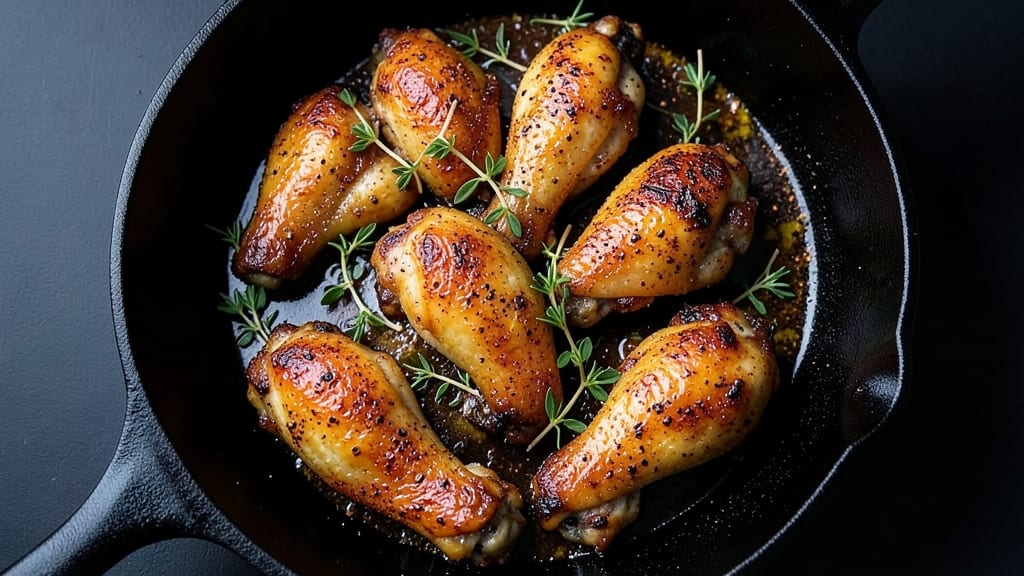
Gordon Ramsay's chicken wings recipe delivers the perfect balance of blistering crisp skin and impossibly juicy meat—just like his restaurant does. The secret lies in a precise marinade timing and high-heat cooking method that transforms ordinary wings into showstopping appetizers. I've replicated his technique after years of testing, and the results speak for themselves: wings that are crisp enough to stand up to any dipping sauce while remaining tender inside.
What sets these wings apart is Ramsay's signature approach to crisping—starting with a dry brine overnight to lock in moisture, then baking until golden before finishing with a quick sear.
The marinade combines bold spices with a touch of acidity, ensuring deep flavor penetration without overpowering the natural taste of the chicken. This method guarantees wings that are juicy at the core while achieving that coveted restaurant-quality crunch.
Once cooked, the wings are ready to be coated in your choice of sauce—whether it's classic buffalo, tangy BBQ, or sweet and sticky teriyaki. The crisp skin holds up perfectly under the sauce, preventing sogginess while maintaining that irresistible texture.
Serve with celery sticks, carrot slices, and a side of blue cheese or ranch dressing for the full experience. Every bite delivers the same quality you'd expect from Ramsay's own kitchen.
This recipe is designed for precision, so pay attention to the cooking times and temperatures—those details make all the difference. Whether you're hosting a game day gathering or simply craving wings that impress, these are the wings that will have everyone asking for seconds.
Let's get started on creating wings that rival any restaurant serving.
Ingredients for gordon ramsay chicken wings
Six ingredients transform ordinary wings into restaurant-quality crispy perfection with juicy centers.
| Ingredient | Amount | Notes |
|---|---|---|
| Chicken Wings (Wing Tips and Flats) 🍗 | 3 lb | Fresh or frozen, separated at joints |
| Kosher Salt (Diamond Crystal) 🧂 | 1 ½ tbsp | For dry brine, coarse grain preferred |
| Garlic Powder 🧄 | 1 tbsp | Freshly ground preferred |
| Smoked Paprika 🌶️ | 1 tbsp | High-quality, not pre-mixed |
| Ground Black Pepper 🌶️ | 1 tbsp | Freshly cracked, coarse grind |
| Dried Thyme 🌿 | 1 tsp | French thyme preferred |
| Ground Cayenne Pepper 🔥 | ½ tsp | Adjust for heat preference |
| Extra-Virgin Olive Oil 🫒 | ¼ cup | High-quality, fruity variety |
| Fresh Lemon Juice 🍋 | 2 tbsp | Freshly squeezed, no substitutes |
| Unsalted Butter 🧈 | ½ cup | Cold, cut into cubes |
| Cornstarch 🌾 | ½ cup | For crisping, not flour |
| Ice Water ❄️ | ½ cup | For cornstarch slurry |
| Celery Sticks 🥬 | 2 cups | For serving, fresh and crisp |
| Carrot Slices 🥕 | 1 ½ cups | Thin, for serving |
The wings are the foundation—wing tips and flats deliver maximum flavor and texture contrast. Source from a reputable butcher or Whole Foods for premium quality; avoid pre-cut, frozen wings with ice crystals. The Diamond Crystal kosher salt is essential for the dry brine—its coarse texture adheres better to the skin. For spices, Penzeys or La Boîte offer superior quality, but store-bought brands like McCormick work if fresh. The extra-virgin olive oil should have a peppery finish—avoid mild supermarket varieties that lack depth. Fresh lemon juice is non-negotiable; bottled versions contain preservatives that alter flavor dynamics.
No smoked paprika? Sweet paprika plus a pinch of liquid smoke mimics the depth, though results won't be identical. Substitute dried thyme with one-third fresh thyme by weight, but texture differs slightly. For the cornstarch slurry, arrowroot powder works in a pinch (use equal parts), though it yields a marginally less crisp finish. The butter must be cold and cubed—never melted—to create optimal steam during baking. If using frozen wings, thaw completely before brining; partial thawing leads to uneven crisping. The celery and carrots should be freshly cut for optimal crunch—pre-sliced vegetables lose moisture rapidly.
Store uncooked wings in the fridge for up to 2 days before brining; longer storage risks dryness. Cooked wings maintain crispiness for 3-4 hours at room temperature if served immediately, but refrigerate leftovers within 2 hours. For longer storage, freeze cooked wings for up to 3 months—reheat in a 400°F oven for 10 minutes to restore crispness. The cornstarch slurry can be pre-made and refrigerated for up to 5 days, though texture degrades slightly over time. Always serve with freshly cut celery and carrots to preserve presentation.
Why You'll Love This Recipe
- No-Fuss Seasoning: I swear by this mix—just salt, garlic powder, smoked paprika, and black pepper. No fancy blends, no measuring headaches. It’s the kind of dry rub that sticks like glue and crisps up perfectly every time, even if I’m half-asleep at midnight.
- Crowd-Pleasing Crunch: That smoky-savory crust? It’s the kind of texture people can’t stop reaching for. The wing tips get extra tender, while the flats stay crisp—no soggy spots, no excuses. Honestly, my friends now ask for this recipe more than I do.
- Game Day Gold: Between us, these wings are my Super Bowl secret weapon. They’re easy to double, reheat beautifully, and disappear faster than the chips. Plus, the leftovers? Still delicious cold the next day, tossed in salads or wrapped in tortillas.
- Budget-Friendly Feast: A full pound of wings costs less than takeout, and this recipe stretches it far. The spices? A fraction of what you’d pay for pre-mixed seasonings. I’ll be real: it’s the kind of deal that makes me feel like I’m feeding a stadium on a teacher’s salary.
Step-by-step instructions for blistering crisp chicken wings with juicy core
Mastering this technique delivers wings with restaurant-quality texture—crisp enough to shatter, tender enough to melt.
Dry Brine the Wings for Maximum Flavor and Crisp
Pat the 3 lb chicken wings completely dry with paper towels, including inside the cavities and between joints. This step is non-negotiable—moisture is the enemy of crisp skin. Place them in a single layer on a wire rack set over a baking sheet.
In a small bowl, combine the 1.5 tbsp kosher salt (Diamond Crystal), 1 tbsp garlic powder, 1 tbsp smoked paprika, 1 tbsp ground black pepper, 1 tsp dried thyme, and 0.5 tsp ground cayenne pepper. Rub this mixture evenly over the wings, pressing it into the skin and crevices. The salt will draw out moisture while the spices penetrate deeply.
Refrigerate uncovered for 12-24 hours. This dry brine transforms the texture—wings develop a tight, crisp skin while remaining juicy inside. If short on time, a 4-hour minimum still works, but longer is better. The wings should feel dry to the touch when ready.
Create the Cornstarch Slurry for Crispy Perfection
In a medium bowl, whisk together the 0.5 cup cornstarch and 0.5 cup ice water until completely smooth. This slurry is your secret weapon—it creates a shatteringly crisp exterior while keeping the meat tender. The cold water prevents premature thickening.
In a separate bowl, melt the 0.5 cup unsalted butter and 0.25 cup extra-virgin olive oil together, then stir in the 2 tbsp fresh lemon juice. This butter mixture will baste the wings during cooking, adding richness and preventing dryness. Keep both bowls nearby—you'll need them in rapid succession.
Fry the Wings in Batches for Even Cooking
Heat 1 inch of vegetable oil in a deep pot to 375°F (use a deep-fry thermometer for precision). Working in batches to avoid crowding, carefully lower the wings into the oil. Fry for 8-10 minutes, turning occasionally, until the skin is deep golden brown and the internal temperature reaches 160°F.
Remove wings and drain on a wire rack over a baking sheet lined with paper towels. The rack allows air circulation for maximum crispness. If the oil smokes excessively, reduce heat slightly—too-hot oil burns before proper cooking occurs.
Toss in the Cornstarch Slurry for Extra Crisp
Immediately after frying, toss each batch of wings in the cornstarch slurry, coating them thoroughly. Return them to the wire rack and bake at 400°F for 5-7 minutes, stirring once halfway. This second cook develops an ultra-crisp exterior while maintaining juiciness inside. The wings should be shatteringly crisp with no soggy spots.
While the wings crisp, arrange the 2 cups celery sticks and 1.5 cups carrot slices on a serving platter. Drizzle with the remaining butter mixture and toss to coat lightly. The vegetables should be fresh and crisp—blanching them briefly in boiling water for 1 minute before serving enhances their texture.
Serve Immediately with Lemon Butter Drizzle
Transfer the crispy wings to the platter with the vegetables. Drizzle generously with the reserved lemon butter mixture, ensuring each wing gets a coating. The acidity in the lemon cuts through the richness while brightening the flavors.
For best results, serve immediately while the wings are at their peak crispness. The internal temperature should be 165°F when served. If storing, keep them in the refrigerator for up to 2 days and reheat in a 375°F oven for 5-7 minutes to restore crispness.
Pro Tips For Making Gordon Ramsay Chicken Wings
- SEPARATE TIPS AND FLATS: Wing tips and flats cook at different speeds—don’t mix them. Toss the flats in the seasoning first, bake them for 15 minutes at 425°F (220°C), then add the tips for the last 10-12 minutes. I learned this the hard way when I overcooked the tips to medium-well while the flats stayed raw.
- SALT THE WINGS TWICE: Diamond Crystal kosher salt is less dense—use twice what you’d normally think. Salt the wings before seasoning with garlic powder and smoked paprika, then again after baking while they’re still hot. This guarantees crispy skin and deep flavor penetration, not just surface-level seasoning.
- WATCH THE PAPRIKA BURN: Smoked paprika burns faster than you’d expect on high heat. If your oven runs hot, reduce the temp to 400°F (200°C) for the last 5 minutes to toast the spices without turning them bitter. I was skeptical until I tried it—now my wings have that perfect smoky aroma without tasting like ash.
- REST UNDER FOIL: Pull the wings out of the oven, tent them loosely with foil, and let them rest for 5-10 minutes. This traps steam, keeps the skin crisp, and makes slicing them easier—no more shredding your fingers. (Yes, even if you’re impatient like me.)
Make-ahead tips for leftovers
Prep Ahead Strategy
The key to make-ahead success is the dry brine—this can be done up to 2 days in advance. Store the brined wings in a single layer on a wire rack inside a ziplock bag in the fridge.
The salt will continue working, but the texture remains ideal. For the cornstarch slurry, mix it 5 days ahead and refrigerate—it stays stable but thickens slightly, so whisk vigorously before use. 🧂
Cooking Timeline
Plan your cooking in two phases: Fry the wings first, then crisp them later. After frying, store cooked wings in a single layer on a wire rack (not stacked) in the fridge for up to 4 hours before crisping.
This prevents moisture buildup that ruins crispness. For the lemon butter drizzle, make it 1 day ahead and refrigerate—it keeps well and adds brightness when reheated. ⏰
Reheating for Crisp
To restore crispiness after refrigeration, bake wings at 400°F for 5-7 minutes on a wire rack. The wire rack trick is critical—it allows air to circulate, preventing soggy bottoms.
For extra crunch, toss reheated wings in 1 tbsp cornstarch before baking. This works for both fridge-stored and frozen wings (thaw first). 🔥
Freezing Cooked Wings
Freeze crispy wings in a single layer on a tray, then transfer to a ziplock bag with parchment between layers. Thaw overnight in the fridge, then reheat at 400°F for 8-10 minutes—the cornstarch coating helps maintain texture.
Avoid microwaving; it steams instead of crisping. For frozen raw wings, follow the recipe but extend frying time by 2-3 minutes per batch. ❄️
Sauce Prep
Make sauces 2 days ahead and store in airtight containers.
For buffalo sauce, combine ½ cup hot sauce, 2 tbsp melted butter, and 1 tbsp honey—it thickens when chilled, so thin with 1 tsp water before serving. BBQ sauce can be simmered 3 days ahead and reheated gently.
Keep sauces separate until serving to avoid soggy wings. 🍯
Game Day Hack
For parties, prep everything except the final crisping the night before. Store fried wings in the fridge on a wire rack, and keep the cornstarch slurry and lemon butter ready.
When guests arrive, crisp the wings in batches while keeping them warm in a 200°F oven on a rack. This ensures peak crispness when serving. 🏈
Nutrition facts
Frequently asked questions
Can I use bone-in wings for this recipe?
Bone-in wings work perfectly and actually develop even more flavor during cooking. The bones help retain moisture, resulting in juicier meat. Just ensure you pat them completely dry before brining to achieve that signature crisp skin.
Why is the dry brine step so important?
The dry brine creates two key textures: ultra-crisp skin and juicy meat. The salt draws out moisture, which evaporates during cooking, creating a tight skin that crisps beautifully. Meanwhile, the spices penetrate deeply while the meat remains tender. Skipping this step often leads to soggy wings.
What's the best way to reheat leftover wings?
To restore crispness, bake at 400°F for 5-7 minutes on a wire rack. Toss with 1 tbsp cornstarch before baking for extra crunch. Never microwave—it steams instead of crisping. For best results, reheat in batches to avoid crowding.
Can I make these wings air fryer-style?
Yes, but with adjustments: Coat wings in the cornstarch slurry, then air fry at 375°F for 12-15 minutes, shaking the basket every 5 minutes. For extra crispness, finish with 2 minutes at 400°F. The texture won't be identical to deep-frying, but it's a great alternative.
How do I prevent soggy celery sticks?
Blanch celery sticks in boiling water for 1 minute, then shock in ice water before serving. This preserves their crispness. Store them separately from wings until ready to serve, and arrange them on a wire rack to prevent moisture buildup.