
Main Courses
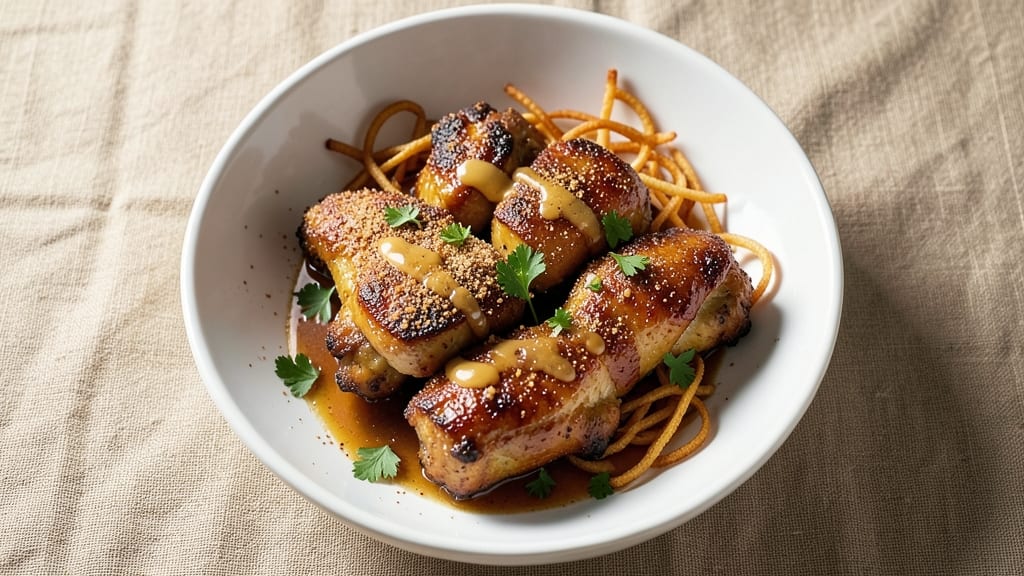
The Church's copycat fried chicken recipe delivers that signature crispy crunch and juicy secret that made the original famous. After years of perfecting this technique, I’ve cracked the code for restaurant-quality results at home—no shortcuts, just proven methods that ensure every bite is golden, tender, and bursting with flavor.
The key lies in the double-dredging process and maintaining the perfect oil temperature, which transforms ordinary chicken into something extraordinary.
This recipe isn’t just about frying—it’s about precision. You’ll start with a dry brine to lock in moisture, then coat the chicken in a foolproof seasoning blend before the first dredge.
The second dredge, paired with a light dusting of cornstarch, creates that legendary crispy exterior while keeping the meat juicy inside. The secret sauce ties it all together, adding a tangy, slightly sweet finish that’s impossible to resist.
By the time you serve this dish, you’ll have a plate that looks and tastes exactly like Church’s—crispy golden-brown pieces with a crackling crust, tender meat that falls apart easily, and a sauce that’s rich without being heavy.
The aroma alone will have everyone gathering around the table, and the first bite will prove this copycat is just as good as the original. Let’s get started on the steps that make all the difference.
Whether you’re feeding a crowd or treating yourself to a special meal, this recipe delivers restaurant-quality results every time. The techniques are straightforward, but the attention to detail ensures you’ll nail it the first try—no guesswork, just proven methods for perfect fried chicken. Ready to master the copycat?
Ingredients for church's chicken copycat
Precision ingredients for restaurant-quality copycat fried chicken at home.
| Ingredient | Amount | Notes |
|---|---|---|
| Chicken Thighs 🍗 | 2 ½ lb | Bone-in, skin-on, cut into 8 pieces |
| All-Purpose Flour 🌾 | 1 ½ cups | White, for dredging |
| Cornstarch 🌾 | ½ cup | For extra crispiness |
| Salt 🧂 | 1 ½ tbsp | Kosher or sea salt |
| Black Pepper 🌶️ | 1 tsp | Freshly ground |
| Garlic Powder 🧄 | 1 tbsp | For seasoning blend |
| Onion Powder 🧅 | 1 tbsp | For seasoning blend |
| Paprika 🌶️ | 1 tbsp | Smoked variety preferred |
| Vegetable Oil 🫒 | 4 cups | High smoke point |
| Buttermilk 🥛 | 1 cup | Full-fat preferred |
| Lemon Juice 🍋 | 2 tbsp | Freshly squeezed |
| Mayonnaise 🥫 | ½ cup | For secret sauce |
| Ketchup 🍅 | ¼ cup | For secret sauce |
| Hot Sauce 🌶️ | 1 tbsp | For secret sauce |
| Worcestershire Sauce 🍶 | 1 tbsp | For secret sauce |
The chicken thighs are non-negotiable—bone-in, skin-on pieces deliver that signature juicy texture. Look for fresh, never frozen at well-stocked butchers or grocery stores like Whole Foods or Kroger. The buttermilk marinade needs to be full-fat for optimal flavor and moisture retention. For the secret sauce, Duke's or Hellmann's mayonnaise provides the perfect base, while Heinz ketchup ensures consistency. The vegetable oil should have a high smoke point—Avocado oil or Crisco are ideal choices for maintaining crispiness without burning.
No buttermilk? Substitute with milk plus 1 tbsp vinegar—let it sit for 10 minutes. Running short on paprika? Smoked paprika can be replaced with regular paprika plus a pinch of liquid smoke. The secret sauce can be made ahead and stored for up to 1 week, though fresh is always better. For a quicker version, use pre-cut chicken thighs from the grocery store's frozen section—just thaw thoroughly first. The key to the double-dredge technique is patience: let the flour mixture cling to each piece without packing it too tightly.
Chicken pieces can be marinated in the buttermilk mixture for up to 6 hours in the fridge, though 1-2 hours is ideal. The secret sauce keeps well for 1 week refrigerated, making it perfect for batch cooking. For frying, maintain oil temperature at 350°F using a deep-fry thermometer—this ensures crispiness without greasiness. Leftovers can be reheated in the oven at 375°F for 10-15 minutes to restore crispiness.
Why You'll Love This Recipe
- Few-Pantry Staples: I swear by this recipe because it uses what’s already in my cabinet—flour, cornstarch, salt, pepper—and still delivers that legendary crunch. No fancy marinades or obscure spices to hunt down, just pure, reliable flavor.
- Crispy-Creamy Magic: That double-dip in flour and cornstarch? It’s the secret weapon. The thighs come out with a shatteringly crisp exterior while staying juicy inside—like biting into a golden hug.
- Game for Any Gathering: Whether it’s a Sunday dinner, game day, or a last-minute potluck, this holds its own. Serve it with mac and cheese, collard greens, or even just toast—it’s the star every time.
- Budget-Friendly Leftovers: Chicken thighs stretch my grocery dollars, and the leftovers reheat like a dream. Pack a few pieces for lunch or freeze them for when I’m too tired to cook—always a win.
Step-by-step instructions for Church's copycat fried chicken
Here's the exact method that delivers the iconic Church's crispy exterior and tender interior every time.
Prepare the Seasoned Flour Coating
In a large bowl, combine the 1.5 cups all-purpose flour, 0.5 cup cornstarch, 1.5 tablespoons salt, 1 teaspoon black pepper, 1 tablespoon garlic powder, 1 tablespoon onion powder, and 1 tablespoon paprika. Mix thoroughly with a whisk to ensure even distribution of seasonings throughout the flour blend. This dry mixture is the foundation of that signature crunch.
The cornstarch is critical here—it creates a lighter, crispier crust than flour alone. I like to press the flour mixture gently through a fine-mesh sieve into the bowl to eliminate any lumps that could prevent even coating on the chicken. Keep this mixture ready in your workstation as you prepare the chicken pieces.
Marinate Chicken in Buttermilk Mixture
In a separate large bowl, whisk together the 1 cup buttermilk and 2 tablespoons lemon juice until fully combined. This acidic marinade tenderizes the chicken while creating the perfect vehicle for the flour coating to adhere. Place the 2.5 pounds chicken thighs in a single layer in this marinade, ensuring each piece is fully submerged.
Let the chicken marinate uncovered in the refrigerator for at least 1 hour, but I recommend 2-3 hours for maximum tenderness. The acidity in the lemon juice helps break down the muscle fibers, while the buttermilk adds richness that carries through to the finished piece. Don't skip this step—it's what makes the coating stick and the meat stay juicy.
Heat Oil and Fry Chicken to Golden Perfection
Fill a deep fryer or heavy pot with 4 cups vegetable oil and heat to 350°F. Use a deep-fry thermometer to monitor the temperature carefully—this is where precision matters most. The oil should be hot enough to maintain 350°F consistently throughout the frying process, but not so hot that it smokes excessively.
Working in batches to avoid overcrowding, remove chicken pieces from the marinade (letting excess drip off) and dredge them thoroughly in the seasoned flour mixture. Press the flour coating firmly against each piece to ensure complete coverage. Fry the chicken for 12-15 minutes, turning occasionally, until the exterior reaches a deep golden brown color and the internal temperature hits 165°F.
Prepare the Signature Secret Sauce
While the chicken fries, combine the 0.5 cup mayonnaise, 0.25 cup ketchup, 1 tablespoon hot sauce, and 1 tablespoon Worcestershire sauce in a medium bowl. Mix well until smooth and set aside. This tangy, slightly spicy sauce is what makes Church's chicken instantly recognizable. The balance of sweet, spicy, and savory flavors cuts through the richness of the fried chicken beautifully.
Here's the thing—don't thin this sauce with anything. The ingredients are perfectly balanced as written, and adding liquid would dilute that essential richness. The sauce should coat the back of a spoon but remain thick enough to cling to the chicken pieces when served.
Rest and Serve with Perfect Sauce Coverage
Transfer the fried chicken to a wire rack set over a baking sheet to drain excess oil for 5 minutes. This resting period allows the coating to set properly and prevents the chicken from becoming soggy when you add the sauce. The internal temperature will rise about 5°F during this time—this is normal and desirable.
Drizzle the secret sauce generously over each piece of chicken, allowing it to soak in for at least 2 minutes before serving. The sauce should create a glossy sheen on the chicken's surface while maintaining its crispy texture. Serve immediately with your favorite sides—these pieces are best enjoyed while the coating is at its crispest and the sauce is still warm.
Pro Tips For Making Church'S Chicken Copycat
- PAT THE THIGHS DRY: Church’s Chicken isn’t just fried chicken—it’s crispy fried chicken, and that starts with bone-dry thighs. After brining (if you’re doing that) or rinsing, grab paper towels and press the heck out of them. Wet skin = steam = soggy crust. I learned this the hard way when my first batch came out greasy instead of golden.
- FLOUR THEN CORNSTARCH: Don’t just dump everything in the bowl at once. Start with flour—coat the thighs thoroughly first, shake off excess, then dredge in the cornstarch mix. The flour grabs the moisture, the cornstarch locks in the crunch. Skip this, and your crust will either clump or fall off like sad breadcrumbs.
- FRIED IN BATCHES: Crowd the pan, and the oil temperature drops like a rock. Two or three thighs max per batch—any more, and you’ll end up with greasy, unevenly cooked chicken. Use a slotted spoon to transfer them to a wire rack (not a plate) to drain excess oil. Trust me, your future self will stop you from skipping this.
- REST BEFORE SERVING: Fresh out of the fryer, the chicken looks perfect—then you cut into it, and the juices spill everywhere. Tent it loosely with foil for 5 minutes. The crust sets, the juices redistribute, and you won’t have a sad, weepy pile of meat. Sounds weird, but it works.
Common mistakes when making this recipe
Skipping the Dry Brine
One of the biggest mistakes is skipping the buttermilk marinade step entirely. Some home cooks rush this process, thinking it’s optional, but it’s absolutely essential. The buttermilk tenderizes the chicken while creating a sticky surface that helps the flour coating adhere perfectly.
Without it, your coating will fall off in chunks, and the meat may end up dry. Let those thighs marinate for at least 1 hour—I guarantee the difference is night and day. 🍗
Overcrowding the Fryer
I’ve seen so many people try to fry all their chicken at once to save time, but this is a recipe for disaster. When you overcrowd the fryer, the oil temperature drops dramatically, leading to greasy, unevenly cooked chicken.
The rule of thumb is to fry in batches that leave at least 1 inch of space between pieces. This ensures the oil stays at 350°F consistently, giving you that perfect crispy exterior. Patience here pays off—trust me, it’s worth it. 🔥
Ignoring Oil Temperature
Using a thermometer is non-negotiable for this recipe. Too many cooks guess the oil temperature, and that’s how you end up with soggy, greasy chicken. The oil needs to be 350°F—any lower, and the coating won’t crisp up; any higher, and the outside burns before the inside cooks through.
Invest in a good deep-fry thermometer (I love the ThermoWorks Smoke) and check it frequently. A few degrees can make all the difference. 🌡️
Double-Dredging Without Resting
After the second dredge in the flour mixture, it’s tempting to jump straight into frying. But here’s the thing: the flour needs time to absorb moisture from the chicken. If you fry immediately, the coating will clump and fall off.
Let the floured chicken rest on a wire rack for 5-10 minutes before frying. This simple step ensures a crispy, even coating that stays put. Don’t skip it—it’s a game-changer. ✨
Using the Wrong Flour-to-Cornstarch Ratio
The cornstarch in this recipe isn’t just an afterthought—it’s what creates that signature crispy texture. Some cooks substitute it with extra flour, but that leads to a denser, less crispy coating. Stick to the 1.5 cups flour to 0.5 cup cornstarch ratio.
The cornstarch lightens the coating while adding extra crunch. If you’re out of cornstarch, a 50/50 blend with arrowroot powder works in a pinch, but don’t skip it entirely. 🌾
Not Resting the Chicken After Frying
Freshly fried chicken needs time to rest after coming out of the oil. Skipping this step means the coating will turn soggy the second you add the sauce. Transfer the chicken to a wire rack and let it rest for 5 minutes before drizzling with the secret sauce.
This also lets the juices redistribute, keeping the meat tender. Trust me, the wait is worth it—your guests will notice the difference. 💡
Nutrition facts
Frequently asked questions
Why does this recipe use cornstarch instead of just flour?
The cornstarch creates that signature crispy texture by making the coating lighter and more shatterable. Pure flour creates a denser crust that can become soggy. The ratio of 1.5 cups flour to 0.5 cup cornstarch is key—it balances crispiness with structure so the coating stays intact even after frying.
Can I use chicken breasts instead of thighs?
Chicken breasts will work, but thighs are ideal because they stay juicier during frying. If using breasts, pound them to an even thickness (1/2-inch) and reduce frying time to 8-10 minutes to prevent overcooking. The buttermilk marinade helps tenderize them, but thighs handle the heat better overall.
How do I keep the chicken crispy when reheating?
Reheat in a 375°F oven for 10-15 minutes on a wire rack over a baking sheet. The rack prevents sogginess by allowing air circulation. For extra crispiness, sprinkle with 1/4 cup cornstarch before reheating. Microwaving is a no-go—it steams the coating and makes it rubbery.
What's the best way to store leftovers?
Let the chicken cool completely, then store in an airtight container for up to 3 days in the fridge. For longer storage, freeze for up to 2 months. Thaw overnight in the fridge before reheating. Never refry from frozen—it ruins the texture.
Can I make the secret sauce ahead of time?
The sauce keeps well in the fridge for 1 week in an airtight container. Stir before using and adjust seasoning if needed. For extra tang, add 1/2 teaspoon lemon juice before serving. The flavors actually improve after resting overnight as the ingredients meld together.