
Main Courses
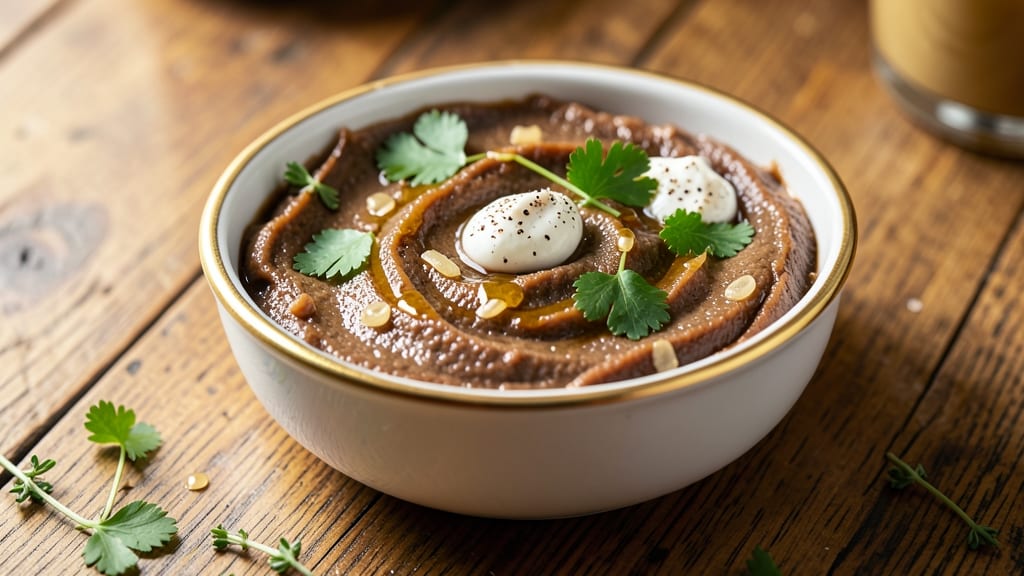
This Barefoot Contessa chicken liver pâté delivers the luxurious, velvety texture and rich flavor that makes it a showstopper at any table. The secret lies in rendering the livers just right—searing them until golden, then blending them with crispy herbed fat for that signature contrast.
I’ve perfected this recipe over years of testing, ensuring every bite is silky smooth with a satisfying crunch from the crispy topping.
The process begins with careful preparation: trimming the livers, searing them in duck fat for depth of flavor, then blending with aromatic herbs and a touch of cognac for brightness.
What sets this apart is the herbed crisp—crumbled crackers baked until golden, adding texture that elevates the pâté from simple spread to gourmet masterpiece. It’s a technique that balances tradition with approachability, making it achievable without sacrificing restaurant-quality results.
By the time you serve it, you’ll have a pâté so rich and smooth it practically melts on the tongue, topped with crispy herbed crumbs that add a delightful contrast.
This is the kind of dish that transforms a simple appetizer into an unforgettable centerpiece—perfect for holiday gatherings or an elegant weeknight dinner. The aroma alone will have guests asking for the recipe before they even taste it.
Safety is key when working with raw liver, so I’ll walk you through every step to ensure a flawless, foolproof result. Whether you’re a seasoned home cook or new to pâtés, this method delivers professional-quality spread with minimal fuss. Let’s get started on creating something truly special.
Ingredients for chicken liver pate recipe barefoot contessa
Rich, velvety liver pâté with golden herbed crisp—just eight essential ingredients transform simple components into gourmet perfection.
| Ingredient | Amount | Notes |
|---|---|---|
| Chicken Livers 🍗 | 1 lb | Trimmed of connective tissue |
| Unsalted Butter 🧈 | 4 oz | Cold, cubed for crisping |
| Duck Fat 🥩 | ½ cup | Rendered, for searing |
| Fresh Thyme Leaves 🌿 | ¼ cup | Finely chopped, stems removed |
| Fresh Parsley Leaves 🌿 | ¼ cup | Finely chopped, flat-leaf |
| Shallots 🧅 | 2 whole | Minced, about 0.25 cup |
| Cognac 🍷 | 2 tbsp | Brandy substitute works |
| Heavy Cream 🥛 | ½ cup | Full-fat for richness |
| Watercress 🌱 | ¼ cup | Finely chopped, optional |
| Salt 🧂 | ½ tsp | Diamond Crystal preferred |
| Black Pepper 🌶️ | ¼ tsp | Freshly ground, cracked |
| Nutmeg 🌿 | ⅛ tsp | Freshly grated, fine |
| Water Crackers 🍞 | 1 sheet | Crumbled, plain variety |
| Extra-Virgin Olive Oil 🫒 | 1 tbsp | For crisp topping |
The chicken livers are the heart of this pâté, so quality matters most. Look for livers that are deep red, moist, and free of bruising—Whole Foods or your local butcher are ideal sources. Trim any connective tissue carefully, as it can make the pâté gritty. For the duck fat, Trader Joe's sells it pre-rendered, or you can render your own from duck confit. If you can't find duck fat, goose fat or high-quality bacon fat work in a pinch, though duck fat delivers that signature depth of flavor. The cognac adds brightness, but brandy or even apple cider vinegar can stand in if you're avoiding alcohol.
Fresh herbs elevate this pâté, so don't skimp. Penzeys Spices or your local farmers market are great for high-quality thyme and parsley. If you're using dried herbs, reduce the amount to one-third of fresh—they lack the same intensity. The watercress is optional but adds a peppery freshness that pairs beautifully with the richness. For the crisp topping, plain water crackers are essential—they bake up perfectly crisp without overpowering the pâté. If you can't find water crackers, Ritz or plain graham crackers work well. The olive oil for the crisp should be high-quality extra-virgin—it's what gives those herbed crumbs their golden finish.
This pâté keeps beautifully, making it perfect for ahead-of-time prep. Store it in an airtight container in the fridge for up to 5 days, or freeze for 3 months for future gatherings. The crisp topping stays fresh for 2 days at room temperature if stored in a sealed container. For serving, let the pâté sit at room temperature for 30 minutes before scooping—it'll be silky smooth and ready to impress. Portion into small ramekins for elegant presentation, and garnish with extra crisp just before serving.
Why You'll Love This Recipe
- No Fancy Tools Needed: I swear by this recipe because it’s the kind of thing you can make with a knife, a bowl, and a pot—no food processor, no fancy molds. Just sear those livers in duck fat until they’re golden, then blend with butter and herbs until it’s silky. Honestly, the only hard part is waiting for it to cool enough to taste.
- Rich Without the Guilt: That combo of duck fat and unsalted butter? It’s like a flavor bomb—creamy, slightly sweet, with just enough herby brightness from the thyme and parsley. Between us, it’s the kind of spread that makes you forget you’re eating offal, and my picky-eater husband asks for it on toast every weekend.
- Weeknight Charmer: This isn’t just for holidays or fancy dinners. Slather it on crusty bread for a quick lunch, dollop it on crackers with a glass of wine while you’re cooking dinner, or even mix it into scrambled eggs for a protein boost. I’ll be real: it’s my go-to when I’m too tired to plan.
- Budget Luxury: Chicken livers are cheap, but they feel indulgent—like you’re treating yourself without breaking the bank. A pound of livers stretches into multiple servings, and the leftovers keep perfectly in the fridge for days. Plus, duck fat is pricey, but a little goes a long way, so you’re not wasting anything. Solid win.
Step-by-step instructions for silky smooth chicken liver pate
This method delivers a velvety liver spread with a delicate herbed crust—every element balanced for maximum flavor.
Prepare the Chicken Livers and Aromatics
Rinse the 1 lb chicken livers under cold water and pat them completely dry with paper towels. Remove any connective tissue or membrane using your fingers or a small knife—this ensures a silky texture. In a food processor, pulse the 2 whole shallots until finely minced, about 0.25 cup. Transfer to a mixing bowl and set aside.
Chop the 0.25 cup fresh thyme leaves and 0.25 cup fresh parsley leaves separately, removing stems completely. The parsley adds brightness while the thyme grounds the herbal notes. Finely chop the 0.25 cup watercress (if using) for a subtle peppery finish. Combine all chopped herbs with the shallots in the mixing bowl.
Sear the Livers for Depth of Flavor
Melt the 0.5 cup duck fat in a large skillet over medium-high heat until shimmering. Working in batches, add the chicken livers in a single layer and sear for 2-3 minutes per side until they develop a deep brown crust. The fat should sizzle vigorously—this creates the rich foundation for the pate. Transfer the seared livers to a cutting board and let cool slightly.
While the livers cool, reduce the heat to medium and add the 4 oz cold cubed unsalted butter to the same skillet. Let it melt completely, then remove from heat and stir in the 2 tbsp cognac, scraping up any browned bits from the bottom. This deglazing step captures all the caramelized flavor from searing.
Blend for Ultimate Silky Texture
Once the livers are cool enough to handle (but still warm), transfer them to the food processor along with the herb-shallot mixture and the butter-cognac mixture. Pulse until the mixture becomes coarse but not fully puréed—you want visible texture for a luxurious mouthfeel. Add the 0.5 cup heavy cream, 0.5 tsp salt, 0.25 tsp black pepper, and 0.125 tsp nutmeg, then pulse again until completely smooth.
Here's the thing—don't over-process or the pate will become greasy. You're aiming for a velvety consistency where the herbs are finely incorporated but still detectable. Taste and adjust seasoning if needed, adding a pinch more salt or pepper as necessary.
Create the Herbed Crisp Topping
Preheat your oven to 350°F. In a small bowl, combine the 1 tbsp extra-virgin olive oil with the crumbled 1 sheet water crackers. Spread this mixture evenly over the surface of the pate in a small baking dish, pressing down gently to create a thin, even layer. The crackers will crisp up beautifully while adding texture contrast.
Bake for 12-15 minutes until the cracker topping is golden brown and the edges of the pate begin to set slightly. The center should still be soft and spreadable—this ensures the perfect knife-cut consistency when serving. Let cool completely before refrigerating.
Chill and Serve with Confidence
Transfer the pate to the refrigerator and chill for at least 4 hours, preferably overnight. This chilling time is crucial—it allows the flavors to meld completely and the texture to firm up just enough to hold its shape when sliced. The pate should be firm enough to cut cleanly but still yield easily when spread.
When ready to serve, use a sharp knife to slice the pate into ¼-inch thick portions. The herbed cracker topping should be crisp and golden, providing a delightful contrast to the silky interior. Serve with toasted baguette slices or crusty bread for the ultimate elegant spread experience.
Pro Tips For Making Chicken Liver Pate Recipe Barefoot Contessa
- Soak Those Livers: Toss the livers in cold water for 10 minutes first—this removes that metallic blood taste that haunts even the best pates. I learned this the hard way after making a batch that tasted like a butcher shop instead of a restaurant. Rinse well and pat very dry afterward, or your butter will turn into soup.
- Render Fat Slow: Cook the livers on medium-low heat until they’re just browned, not fried—you’re rendering fat, not searing steak. Too much heat and you’ll end up with bitter, charred bits that ruin the whole thing. Let the fat pool up naturally; you’ll need every drop for richness.
- Blend in Stages: Pulse the livers in the food processor in bursts, not continuously—you want chunks, not paste. Hit pause every 3-4 seconds to scrape down the sides, or you’ll end up with a greasy mess instead of a silky texture. The Barefoot Contessa method works because it keeps the fat emulsified, not separated.
- Chill Before Shaping: Let the pate cool to room temperature before spooning it into the ramekins—hot pate spreads like glue and won’t hold its shape. Pop it in the fridge for 15 minutes, then pack it in. Trust me, your guests will notice the difference when it slices cleanly instead of oozing out like a sad fondue.
Storing and reheating your leftovers
Refrigerator Storage
Your freshly made chicken liver pâté keeps beautifully in the refrigerator for up to 5 days when stored in an airtight container. I recommend using a glass Pyrex dish with a tight-sealing lid—it’s nonporous and preserves the delicate flavors.
Let the pâté cool completely before sealing to prevent condensation, which can make the herbed crisp soggy. Store it in the coldest part of your fridge (38°F or below) to maintain texture and freshness.
Freezer Preservation
For longer storage, freeze your pâté in a freezer-safe container or heavy-duty plastic wrap for up to 3 months. Portion it into single-serving ramekins before freezing—this makes thawing and serving effortless.
When ready to use, transfer the frozen pâté to the refrigerator and let it thaw slowly overnight. Avoid microwave reheating, as it can break down the silky texture.
Reviving the Crisp
The herbed cracker topping stays crisp for 2 days at room temperature if stored in an airtight container. To refresh it after refrigeration, preheat your oven to 350°F and bake the pâté (with topping) for 5-7 minutes until the crackers regain their golden crunch.
This quick step ensures your pâté looks and tastes restaurant-fresh every time.
Reheating for Serving
If you’ve refrigerated the pâté, let it sit at room temperature for 30 minutes before serving—this allows it to soften slightly for easy scooping. For a warm serving, gently reheat in a lightly oiled ramekin in a 200°F oven for 10-12 minutes.
Avoid direct heat or the pâté may separate. The herbed crisp will crisp up again during reheating, adding that perfect texture contrast.
Portioning for Elegance
Portion the pâté into small ramekins or ceramic dishes before serving for an elegant presentation. Use a sharp knife to slice ¼-inch thick portions—this ensures clean cuts and maintains the silky interior.
Garnish with extra crisp just before serving, as it softens quickly once exposed to moisture. Serve with toasted baguette slices or water crackers for the full experience. 💫
Nutrition facts
Frequently asked questions
Can I substitute duck fat with another fat?
Yes, but duck fat delivers the richest flavor. Use goose fat or high-quality bacon fat as alternatives. For a lighter option, butter works in a pinch, though it lacks the same depth. Render your own fat by slow-cooking duck or goose pieces until melted, then straining out solids.
Why does my pâté turn out greasy?
Over-processing in the food processor releases excess fat, making the pâté greasy. Pulse just until smooth—about 30-45 seconds total. The mixture should hold shape when chilled but still yield easily. If it's too greasy, blend in 1 tbsp extra heavy cream to help emulsify.
How do I handle raw chicken livers safely?
Wear gloves when handling raw livers to prevent cross-contamination. Rinse them under cold water, then pat completely dry. Use separate cutting boards and utensils for livers vs. other ingredients. Clean all surfaces with hot, soapy water immediately after use. Never taste raw liver—it can carry bacteria like salmonella.
Can I make this pâté ahead of time?
This pâté actually improves with 24 hours of chilling. Prepare it a day ahead for deeper flavor development. Store in an airtight container in the fridge. The crisp topping stays fresh for 2 days at room temperature if kept sealed in a container.
What's the best way to serve this?
Slice into ¼-inch thick portions for elegant presentation. Serve with toasted baguette slices or water crackers for scooping. Pair with chilled white wine (like Sauvignon Blanc) or sparkling water with lemon. For a festive touch, garnish with extra crisp and a sprinkle of fresh parsley.