
Sauces & Condiments
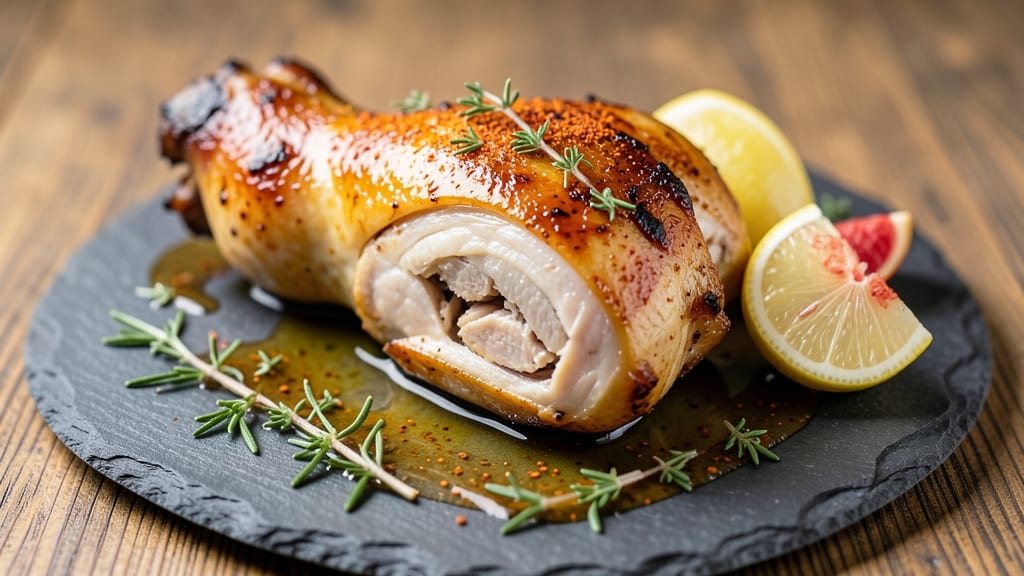
This chicken leg marinade recipe transforms ordinary chicken into restaurant-quality centerpieces with just 30 minutes of prep and a few simple ingredients. The smoky garlic-herb infusion creates a deep, complex flavor that penetrates every bite, making even simple grilled or baked chicken legs unforgettable.
I developed this marinade after years of testing—it's the one that finally convinced my family to stop ordering takeout.
The secret lies in balancing acidity, oil, and aromatic spices to tenderize while building layers of flavor. Olive oil carries the herbs and garlic deep into the meat, while lemon juice adds brightness that cuts through the richness.
A touch of smoked paprika ensures that signature smoky depth without overpowering the natural taste of the chicken. This marinade works equally well for grilling, baking, or air frying.
Simply combine the ingredients in a bowl, coat the chicken legs thoroughly, and let them marinate for at least 4 hours (overnight is ideal). The result is chicken with juicy, flavorful meat that holds up perfectly to high heat, whether you're searing in a cast-iron skillet or grilling over charcoal.
The marinade also doubles as a finishing sauce—just reduce it slightly after cooking for extra flavor impact.
Store any leftover marinade in an airtight container in the refrigerator for up to 5 days, or freeze for 3 months. This versatile marinade elevates chicken legs for weeknight dinners, holiday meals, or special occasions—without requiring advanced techniques or expensive ingredients.
Let's get started with this foolproof flavor booster.
Ingredients for chicken leg marinade
Nine essential components elevate ordinary chicken legs to restaurant-quality centerpieces with minimal effort.
| Ingredient | Amount | Notes |
|---|---|---|
| Extra-Virgin Olive Oil 🫒 | ½ cup | High-quality, fruity variety preferred |
| Garlic Cloves 🧄 | 8 cloves | Freshly minced for optimal flavor |
| Smoked Paprika 🌶️ | 1 tbsp | For authentic smoky depth |
| Fresh Rosemary 🌿 | ¼ cup | Finely chopped, stems removed |
| Fresh Thyme Leaves 🌿 | 0.15 cup | Or 1 tbsp dried thyme |
| Lemon Juice 🍋 | ¼ cup | Freshly squeezed, no pulp |
| Diamond Crystal Kosher Salt 🧂 | 1 ½ tsp | For balanced seasoning |
| Freshly Ground Black Pepper 🌶️ | ½ tsp | Enhances overall flavor profile |
| Honey 🍯 | 1 tbsp | Adds subtle sweetness and tenderness |
| Balsamic Vinegar 🍷 | 1 tbsp | For complex acidity balance |
The olive oil serves as the flavor carrier, so prioritize extra-virgin quality—look for cold-pressed varieties at specialty markets or Trader Joe's for reliable options. Fresh garlic is non-negotiable; roasted garlic from the store lacks the punch needed for proper infusion. For rosemary and thyme, organic varieties from Whole Foods or local farmers' markets offer superior aroma. The smoked paprika should be Spanish-style for authentic smokiness, available in bulk at Penzeys Spices or major grocery chains. Always store these dried spices in airtight containers away from light to preserve their volatile oils.
No fresh rosemary? Dried works at one-third the amount, but fresh delivers superior flavor. Substitute balsamic vinegar with red wine vinegar if unavailable, though the flavor profile will differ slightly. For a sweeter touch, maple syrup replaces honey equally well. The lemon juice can be bottled in a pinch, but freshly squeezed provides optimal brightness. If using pre-minced garlic, toast it first in olive oil to deepen its flavor. For a spicier kick, add ½ tsp cayenne pepper to the blend. All ingredients should be combined at room temperature for even distribution.
This marinade maintains peak freshness for 5 days refrigerated in an airtight container, though flavor intensity peaks within 3 days. For long-term storage, freeze in ice cube trays—thaw overnight in the refrigerator before use. The marinade doubles as a finishing sauce; simply reduce it by 25% on the stove after cooking for enhanced thickness. Any unused marinade can be repurposed for drizzling over roasted vegetables or mixed into mayonnaise for sandwich spreads. Always discard used marinade after contact with raw poultry to prevent cross-contamination.
Why You'll Love This Recipe
- Foolproof Pantry Mix: I’ll never stress over fresh herbs again. The smoked paprika and thyme keep for months, and I just toss in a handful of garlic and rosemary when I’m ready—no wilting, no fuss.
- Crispy-Creamy Magic: That olive oil and garlic combo? It turns the skin golden and shatteringly crisp while keeping the meat juicy inside. Honestly, it’s the kind of flavor that makes people ask for seconds before you even sit down.
- Game for Any Night: Grill it for summer dinners, bake it for a cozy weeknight, or even toss it into a sheet-pan meal with potatoes. I’ve served these at BBQs, lazy Sundays, and even as a quick lunch—no rules, just delicious.
- Leftovers That Don’t Suck: Marinate extra legs, roast them all at once, and store them for days. Reheat in the oven or air fryer, and they taste just as good as day one—way better than takeout, way cheaper than delivery.
Step-by-step instructions for smoky garlic-herb chicken leg marinade
This marinade transforms ordinary chicken legs into restaurant-quality centerpieces with deep, layered flavors.
Prepare the Fresh Herbs and Aromatics
Begin by finely chopping the 0.25 cup fresh rosemary and 0.15 cup fresh thyme leaves, removing any woody stems from the rosemary. I use a sharp chef's knife for this—rocking motions with the heel of your hand ensure even, small pieces that will distribute flavor evenly throughout the marinade. The herbs should be finely textured but not pulverized, as this preserves their aromatic oils.
Next, peel and mince the 8 cloves garlic into a paste using the flat side of your knife blade. This creates a smoother texture that blends seamlessly into the marinade. Press the garlic through a fine-mesh strainer if you prefer an ultra-fine consistency, though I find the knife method achieves perfect results for this application.
Combine Wet Ingredients for Balanced Flavor
In a medium mixing bowl, whisk together the 0.5 cup extra-virgin olive oil, 0.25 cup lemon juice, 1 tbsp honey, and 1 tbsp balsamic vinegar. The olive oil serves as the base, while the lemon juice brightens the profile and prevents the marinade from becoming overly rich. The honey adds subtle sweetness that complements the smoky elements, and the balsamic vinegar introduces depth without overpowering.
Stir in the minced garlic and chopped herbs, ensuring everything is fully incorporated. Here's where the magic happens: the acidity of the lemon and vinegar begins breaking down the herbs' cell walls, releasing their essential oils. Let this mixture sit for 5 minutes while you prepare the remaining components—this brief resting period allows the flavors to meld slightly before adding the dry ingredients.
Incorporate Dry Seasonings for Perfect Balance
Add the 1 tbsp smoked paprika, 1.5 tsp diamond crystal kosher salt, and 0.5 tsp freshly ground black pepper to the herb mixture. The smoked paprika provides that authentic, woodsy depth that defines this marinade, while the salt and pepper create a balanced foundation. Use a silicone spatula to fold everything together thoroughly—you should see no dry pockets of seasoning remaining.
Taste the marinade at this stage. It should be vibrant with herbal notes, a touch of smokiness, and a bright acidity. If it tastes too mild, add an additional 0.25 tsp salt or 0.125 tsp pepper. If it's too sharp, a tiny splash of honey (up to 0.5 tsp) will mellow the acidity. This adjustment ensures the marinade works for your specific taste preferences while maintaining its core characteristics.
Marinate the Chicken Legs for Optimal Tenderness
Place the chicken legs in a resealable plastic bag or glass dish, ensuring they're in a single layer if using a shallow container. Pour the marinade over the chicken, coating each piece thoroughly. For even penetration, I recommend massaging the marinade into the meat, especially around the bone and thickest parts of the drumstick. This step guarantees maximum flavor infusion and tenderness.
Cover the container and refrigerate for at least 4 hours, though I prefer 8-12 hours for deeply marinated results. The acidity in the lemon juice and balsamic vinegar begins tenderizing the chicken fibers during this time, while the olive oil and herbs infuse the meat with their rich flavors. Do not exceed 24 hours of marinating time, as prolonged exposure to acid can begin breaking down the meat's proteins too much, resulting in a mushy texture.
Pro Tips For Making Chicken Leg Marinade
- Smash That Garlic: DESCRIPTION: Don’t just mince those cloves—slam them with the flat side of your knife first. This releases more flavor and prevents bitter garlic bits from clinging to your marinade. I used to skip this, and the garlic taste was always half as strong.
- Toast the Spices: DESCRIPTION: Warm the smoked paprika in the olive oil for 30 seconds before adding anything else. That’s when it releases its deep, smoky aroma—no need to burn it, just let it sing. I learned this after making a batch that tasted flat until I smelled the difference.
- Strip Rosemary Stems: DESCRIPTION: Pull the needles off the rosemary stems with your fingers—no need for scissors. The tiny stems add bitterness, and you’ll end up with a cleaner, more aromatic marinade. Sounds tedious? Do it while you’re waiting for the oil to heat up.
- Marinate Overnight, Covered: DESCRIPTION: If you’re short on time, at least 4 hours works, but overnight in the fridge is where the magic happens. Use a container with a lid to trap the flavors, and flip the chicken halfway through. I’ve rushed this before, and the skin never got as crispy.
Troubleshooting this dish
Acid Burn Prevention
The most common issue with marinades is over-marinating, which causes the acid (lemon juice, vinegar) to break down the meat's proteins too aggressively. For chicken legs, never exceed 24 hours—I've seen beginners leave them in for days, resulting in mushy, rubbery meat.
If you're short on time, marinate for just 4 hours at room temperature (though refrigeration is safer). For extra insurance, pat the chicken dry before cooking to create a better sear.
Uneven Flavor Distribution
If your chicken tastes bland in some spots, the marinade likely didn't penetrate evenly. Always coat the chicken thoroughly, including the bone cavity and thickest parts of the drumstick. I use a silicone brush to ensure no dry patches remain.
For stubborn spots, pierce the meat gently with a fork to help the marinade seep in deeper. Also, avoid overcrowding the marinating container—give each piece room to absorb the flavors properly.
Oily, Greasy Texture
Too much olive oil can make the chicken greasy rather than flavorful. The 0.5 cup in this recipe is perfect for 4-6 chicken legs. If your marinade feels too heavy, reduce the oil by 1 tablespoon and add 1 tablespoon of chicken broth to maintain moisture without excess fat.
For extra insurance, blot the chicken with a paper towel before cooking to remove surface oil.
Marinade Too Weak
If your marinade tastes bland after cooking, it likely didn't develop enough flavor during marinating. Let the marinade sit for 30 minutes before using it—this allows the herbs and spices to infuse properly.
For extra punch, add 1 teaspoon of soy sauce or ½ teaspoon of fish sauce to deepen the umami profile. Also, ensure all your herbs are fresh—wilting rosemary or thyme loses much of its potency.
Chicken Sticking to Surface
When grilling or baking, chicken can stick to the pan or grill grates, ruining the sear. Always preheat your cooking surface to medium-high heat before adding the chicken.
For extra insurance, coat the surface with ¼ cup high-smoke-point oil (like avocado or grapeseed oil) after removing the chicken from the marinade. This creates a non-stick barrier while keeping the marinade's flavors intact.
Marinade Separation
If your marinade looks cloudy or separated, it's likely due to temperature fluctuations. Store the marinade in the fridge until ready to use, and bring it to room temperature before applying. For extra stability, whisk in 1 teaspoon of xanthan gum (found in baking sections) to thicken slightly.
If separation occurs after mixing, simply whisk vigorously to re-emulsify before using—this is completely normal and doesn't affect flavor.
Nutrition facts
Frequently asked questions
Can I use this marinade for other types of poultry?
This smoky garlic-herb blend works beautifully with chicken thighs, whole chicken, or even turkey legs. The acidity and oil content make it versatile for any poultry that benefits from tenderizing. For smaller pieces like breasts, reduce marinating time to 2-4 hours to prevent over-tenderizing.
How do I store leftover marinade?
Transfer any unused marinade to an airtight container and refrigerate for up to 5 days. For longer storage, freeze in ice cube trays—thaw overnight in the fridge before using. Never refreeze thawed marinade. The flavor remains vibrant when stored properly, making it perfect for quick weeknight meals.
What's the best way to cook marinated chicken legs?
This marinade works perfectly with grilling, baking, or air frying. For grilling, preheat to medium-high heat and cook for 6-8 minutes per side until internal temp reaches 165°F. For baking, use 400°F for 35-40 minutes until golden and cooked through. Always let chicken rest 5 minutes before serving to retain juices.
Can I make this marinade without fresh herbs?
Yes! Use 1 tablespoon dried rosemary and 1 tablespoon dried thyme as substitutes. For best results, toast the dried herbs in a dry pan for 1 minute to enhance their flavor before adding to the marinade. The smoky depth will still shine through, though fresh herbs provide superior aroma and texture.
Why does my chicken sometimes taste bland after marinating?
Bland flavor usually means insufficient marinating time or weak herbs. Ensure you marinate for at least 4 hours (overnight is ideal) and use fresh herbs. For extra depth, add 1 teaspoon soy sauce or ½ teaspoon fish sauce to the marinade. Also check that your smoked paprika is high-quality—some brands lack authentic smokiness.