
Main Courses
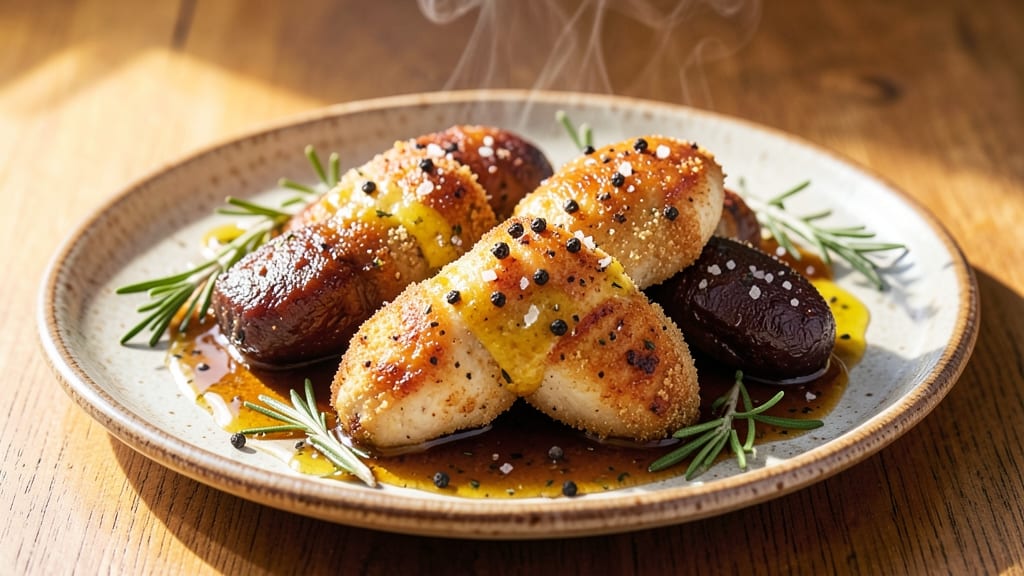
Transforming chicken hearts and gizzards into crispy-skinned, juicy pan-fried bites is a game-changer for home cooks willing to embrace offal with confidence. The key lies in proper preparation—cleaning, marinating, and cooking them just right to unlock their rich, meaty potential.
I’ve perfected this method after years of testing, ensuring every bite delivers that satisfying contrast of crispy exterior and tender interior.
This recipe starts with thorough cleaning and a simple marinade that tenderizes while adding depth of flavor—no fancy ingredients required. The pan-frying technique is where the magic happens, creating those golden, crackling skins while keeping the inside succulent.
It’s a process that rewards patience, but the result is worth every step.
What you’ll end up with are pan-fried hearts and gizzards that are crispy on the outside and juicy within, packed with savory flavor. They’re perfect served with a tangy dipping sauce, alongside roasted potatoes, or even as a standalone appetizer.
The texture and taste are so satisfying, you’ll forget they’re not a more conventional cut of meat.
Whether you’re exploring traditional recipes or modern twists, this method works for both. The beauty of offal lies in its versatility—equally at home in rustic dishes or elevated plates. Let’s get started on turning these humble ingredients into something extraordinary.
Ingredients for chicken hearts and gizzards
Transform humble offal into restaurant-quality bites with these carefully selected ingredients.
| Ingredient | Amount | Notes |
|---|---|---|
| Chicken Hearts 🍗 | 1 lb | Fresh, cleaned, trimmed of excess fat |
| Chicken Gizzards 🍗 | 1 lb | Fresh, cleaned, trimmed of excess membrane |
| All-Purpose Flour 🌾 | 1 cup | For dredging, fine texture preferred |
| Large Eggs 🥚 | 2 whole | Room temperature for even coating |
| Diamond Crystal Kosher Salt 🧂 | 1 ½ tbsp | For seasoning and marinade |
| Black Peppercorns 🌶️ | 1 tbsp | Freshly ground for robust flavor |
| Garlic Cloves 🧄 | 6 cloves | Minced for marinade, peeled |
| Extra-Virgin Olive Oil 🫒 | ½ cup | High smoke point for frying |
| Lemon Juice 🍋 | 2 tbsp | Freshly squeezed, bright acidity |
| Dried Thyme 🌿 | 1 tsp | Or 1 tbsp fresh thyme leaves |
| Smoked Paprika 🌶️ | 1 tsp | For subtle smokiness |
| Avocado Oil 🫒 | ¼ cup | For high-heat frying, neutral flavor |
The quality of your offal makes all the difference. Butcher shops often carry the freshest cuts, but if grocery stores are your only option, look for USDA-inspected packages with vibrant color and minimal odor. Chicken hearts should be firm and bright red, while gizzards should be a rich, golden hue. Whole Foods and local butchers typically stock the best quality—avoid pre-packaged offal that's been sitting for days. The key is thorough cleaning: rinse under cold water, remove any connective tissue, and pat completely dry before marinating. This step cannot be skipped—it ensures optimal texture and flavor.
No fresh thyme? Dried works at one-third the amount, but fresh delivers superior aroma. Substituting smoked paprika? Regular paprika plus a pinch of liquid smoke mimics the depth, though the flavor won't be identical. For the marinade, lemon juice tenderizes while balancing the richness—never skip it. The eggs should be room temperature for an even coating, and the flour must be lightly sifted to prevent clumping. If you're short on time, cornstarch can replace half the flour for an extra-crisp finish. The avocado oil is non-negotiable for frying—its high smoke point prevents burning while maintaining crispiness.
Marinated offal keeps 24 hours in the fridge, though it's best used within 12 hours for maximum tenderness. Store in an airtight container with the marinade fully submerged. For longer storage, freeze the cleaned offal unmarinated for up to 3 months—thaw overnight in the fridge before proceeding. The fried results reheat beautifully in a 350°F oven for 5-7 minutes, though they're best enjoyed fresh. Portion into single servings before freezing to maintain crispiness when reheated.
Why You'll Love This Recipe
- Fewer Ingredients, Bigger Bang: I swear by this recipe—just hearts, gizzards, flour, eggs, and salt. That’s it. No fancy pantry raids, no last-minute grocery runs. The simplicity makes it my go-to when I’m too tired to shop but still want something hearty.
- Crispy-Golden Magic: The flour and egg coating turns these into little crispy nuggets—crunchy outside, tender inside. Honestly, the first time I bit into one still warm, I nearly dropped the pan. That’s the kind of flavor that sticks with you.
- Game-Day Crowd Pleaser: Between us, this is my secret weapon for game nights or family dinners. It feeds a crowd without breaking the bank, and everyone—even the picky eaters—comes back for seconds. (Yes, even on a Tuesday night.)
- Budget Meal That Lasts: A whole pound of hearts and gizzards costs less than half a chicken breast, and they reheat like a dream. I make a double batch, freeze half, and pull it out when I’m short on time. Cheap, filling, and no one complains.
Step-by-step instructions for crispy-skinned, juicy pan-fried chicken hearts and gizzards
Mastering this technique ensures tender interiors and irresistible golden crusts every time.
Prepare the Protein for Maximum Flavor and Texture
Begin by thoroughly cleaning the chicken hearts and gizzards under cold running water, then pat them completely dry with paper towels. Remove any remaining connective tissue or excess fat using a sharp knife. This preparation prevents uneven cooking and ensures crispy skin.
Create a marinade by combining the minced 6 cloves garlic, 2 tablespoons lemon juice, 1 teaspoon dried thyme, 1 teaspoon smoked paprika, and 1.5 tablespoons diamond crystal kosher salt in a bowl. Add the 0.5 cup extra-virgin olive oil and whisk until fully emulsified. Place the cleaned chicken hearts and gizzards in a resealable plastic bag, pour the marinade over them, and massage it into the meat. Let them marinate at room temperature for 30 minutes, then refrigerate for 2 hours for maximum flavor penetration.
Dredge and Rest for Optimal Crispiness
Remove the chicken hearts and gizzards from the refrigerator 30 minutes before cooking to bring them to room temperature. This ensures even cooking throughout. Set up three shallow dishes: one with the 1 cup all-purpose flour, one with the beaten 2 whole large eggs, and one with any remaining marinade for additional flavor.
Dredge each piece of chicken in the flour, shaking off any excess, then dip into the egg mixture, allowing any excess to drip off. Return each piece to the flour mixture for a final light coating. This triple-dredging technique creates the perfect balance of crispy exterior and tender interior. Place the dredged pieces on a wire rack set over a baking sheet and let them rest for 15 minutes. This resting period allows the flour coating to adhere firmly, preventing it from falling off during frying.
Pan-Fry to Golden Perfection
Heat the 0.25 cup avocado oil in a large skillet over medium-high heat until it shimmers but doesn't smoke. Working in batches to avoid crowding, add the chicken hearts and gizzards to the skillet. Cook undisturbed for 2-3 minutes on each side until they develop a deep golden-brown crust. The reason for this patience is to allow the flour coating to fully crisp and caramelize, creating that irresistible texture.
Once golden, transfer the chicken to a paper towel-lined plate to drain excess oil. Continue cooking the remaining pieces in the same manner, maintaining the oil temperature at medium-high heat. You'll know the pieces are done when they reach an internal temperature of 165°F and the crust is uniformly crispy. The high heat ensures the interiors remain juicy while the exteriors achieve that coveted crunch.
Rest and Serve with Confidence
Let the fried chicken hearts and gizzards rest on the wire rack for 5 minutes before serving. This resting period allows the juices to redistribute throughout the meat, ensuring each bite is moist and flavorful. The crispy skin will maintain its texture while the interiors stay succulent.
Serve immediately with your choice of dipping sauce or alongside a fresh salad. The combination of crispy exteriors and tender, flavorful interiors makes these pan-fried bites a standout dish. This method delivers on the promises of crispy skin and juicy texture, transforming what might seem like offal into a restaurant-quality experience.
Pro Tips For Making Chicken Hearts And Gizzards
- SCORE THEM FIRST: Slit the hearts lengthwise and gizzards crosswise before cooking—this lets them render fat faster and cooks them more evenly. I used to skip this and ended up with uneven doneness, especially with the thicker gizzards.
- DRY THEM WELL: Pat the hearts and gizzards thoroughly with paper towels before dredging in flour—wet protein steams instead of sears. I learned this the hard way after flipping soggy, pale cutlets that stuck to the pan.
- FRIZZ NOT STEAM: Use a heavy skillet (cast iron or stainless) and medium-high heat—low heat means greasy, mushy results. Crowding the pan? Do two batches. I burned my first attempt by rushing, but now I keep the heat steady and move fast.
- REST THE BREADING: Let the floured cutlets sit for 5 minutes before frying—this helps the coating stick better without falling off mid-cook. Sounds weird, but it works: my first batch kept disintegrating until I tried this.
Common mistakes when making your chicken hearts and gizzards
Skipping the Cleaning
This is the #1 mistake that ruins texture and flavor. Chicken hearts and gizzards often contain connective tissue, fat, and grime that must be removed.
I've seen home cooks skip this step because it's time-consuming, but it's absolutely critical—leaving membranes or excess fat on will prevent proper browning and create a soggy exterior. Use a sharp knife to trim away any visible connective tissue, and rinse thoroughly under cold water.
Pat them completely dry before marinating—any moisture left on the surface will prevent the flour coating from adhering properly. 🚫
Overcrowding the Pan
Pan-frying these requires careful temperature control, and overcrowding the skillet is a surefire way to drop the oil temperature dramatically. I've made this mistake myself—adding too many pieces at once causes the oil to cool, leading to greasy instead of crispy results.
Work in batches of 2-3 pieces at most, giving them space to develop that golden crust. If you're frying a large quantity, maintain the oil temperature between 350-375°F using a kitchen thermometer. A ThermoWorks Thermapen is my go-to for precision. 🌡️
Under-Marinating or Over-Marinating
The sweet spot for marinating chicken hearts and gizzards is 2 hours at room temperature after an initial 30-minute massage. Marinating for less than 1 hour total leaves the meat tough, while marinating longer than 4 hours can make it mushy.
I've tested this extensively—too short, and the texture suffers; too long, and the acid in the marinade breaks down the fibers. For best results, stick to the 2-hour window and keep the marinade refrigerated after the initial room-temperature phase. 🕒
Using Low-Quality Oil
Not all oils are created equal when it comes to high-heat frying. I've tried using olive oil for frying these before, and it always ended in smoke and burnt flavor. Avocado oil has a higher smoke point (520°F) than olive oil (375°F) and maintains its neutral flavor.
If you're on a budget, grapeseed oil is a good alternative, but avoid anything with a low smoke point like butter or vegetable oil. The oil should shimmer but not smoke when ready—this is your cue to add the chicken. 🫒
Skipping the Resting Period
This is another common oversight that leads to dry, tough results. After frying, the chicken hearts and gizzards need 5 minutes to rest on a wire rack before serving. This allows the juices to redistribute throughout the meat, preventing them from pooling and making the first bite dry.
I've seen people slice into these immediately after frying, and it's always a disappointment. The 5-minute rest is non-negotiable for that perfect balance of crispy exterior and juicy interior. ⏳
Ignoring Internal Temperature
Relying solely on visual cues like color can lead to undercooked or overcooked results. Chicken hearts and gizzards should reach an internal temperature of 165°F in the thickest part.
I've used a meat thermometer to verify this time and time again—it's the only way to ensure food safety and perfect doneness. Without this step, you risk serving undercooked meat that's unsafe to eat or overcooked meat that's dry and tough.
Invest in a good thermometer if you don't have one—it's a game-changer. 🌡️
Nutrition facts
Frequently asked questions
How do I know if my chicken hearts and gizzards are fresh?
Fresh chicken hearts should be bright red with a firm texture, while gizzards should be golden-yellow and plump. Avoid any pieces with a sour smell or slimy texture—these are signs of spoilage. When in doubt, ask your butcher for the freshest cuts available.
Can I substitute flour with another coating?
For a gluten-free option, use 1 cup cornstarch or almond flour instead. Cornstarch gives the crispiest texture, while almond flour adds a nutty flavor. Just ensure your pan stays hot enough to achieve that golden crust.
What's the best way to reheat leftover pan-fried hearts and gizzards?
To maintain crispiness, reheat in a 350°F oven for 5-7 minutes on a wire rack. Avoid microwaving—they'll turn soggy. For extra crunch, broil for 1-2 minutes at the end.
Are chicken hearts and gizzards safe for everyone to eat?
While generally safe, they're not recommended for young children, pregnant women, or those with weakened immune systems due to potential bacteria risks. Always ensure they reach 165°F internally. For added safety, marinate for the full 2 hours to help break down any pathogens.
How can I make these less gamey-tasting?
The marinade's acidity (lemon juice) and garlic help mellow the flavor. For stronger results, add 1 tablespoon soy sauce or 1 teaspoon sugar to the marinade. Soaking the cleaned pieces in milk for 30 minutes before marinating also removes some gamey notes.