
Sauces & Condiments
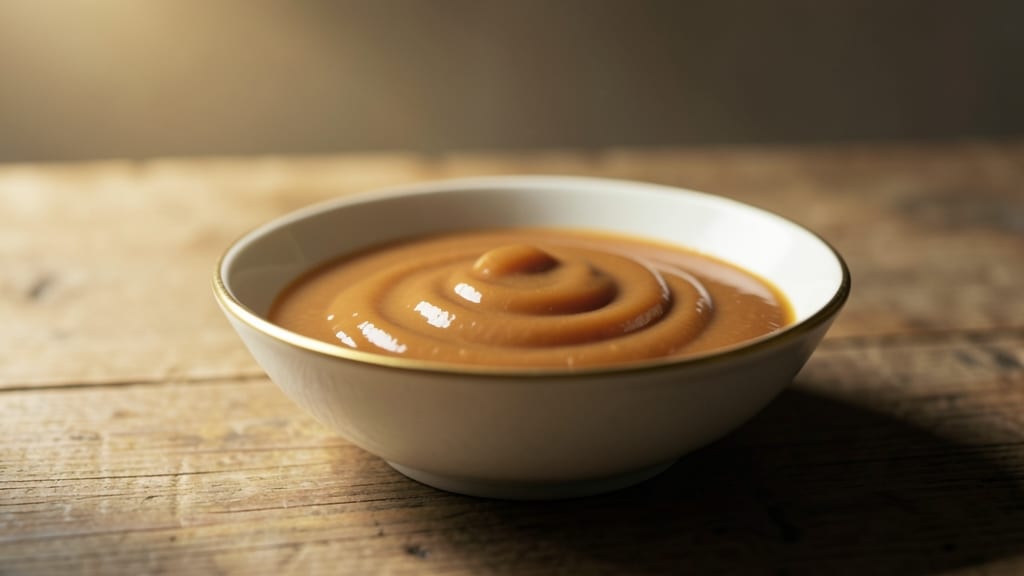
This homemade Campbell's-style cream of chicken gravy delivers that same velvety, comforting richness you love—but with complete control over ingredients and thickness.
The secret lies in a proper roux and careful reduction, transforming simple pantry staples into a smooth, restaurant-quality sauce that elevates soups, mashed potatoes, or even as a drizzle over roasted vegetables.
What sets this gravy apart is its foolproof thickening method—no lumps, no guesswork. We start with a classic butter-flour roux, then slowly whisk in warm chicken broth and cream to create a silky texture that coats every spoonful.
The key is patience: letting the roux cook until golden before adding liquids ensures a glossy finish without breaking.
By the time you're done, you'll have a rich, velvety gravy with just the right balance of savory and creamy notes—thick enough to cling to mashed potatoes but smooth enough to pour effortlessly.
This version stays fresh in the refrigerator for up to 5 days or can be frozen for longer storage, making it perfect for meal prep.
For extra depth, consider infusing the broth with herbs like thyme or adding a splash of lemon juice at the end. The possibilities are endless while keeping the core technique simple and reliable—just like the classic you know and love.
Ingredients for campbell's cream of chicken gravy
Nine pantry staples transform into velvety gravy that rivals the canned kind.
| Ingredient | Amount | Notes |
|---|---|---|
| Unsalted Butter 🧈 | ½ cup | Cold, cubed for roux |
| All-Purpose Flour 🌾 | ½ cup | White, bleached preferred |
| Chicken Broth 🍲 | 2 cups | Low-sodium, homemade or store-bought |
| Heavy Cream 🥛 | ½ cup | Full-fat for richness |
| Dried Thyme 🌿 | ½ tsp | Or 1 tsp fresh thyme leaves |
| Garlic Powder 🧄 | ½ tsp | Freshly ground preferred |
| Salt 🧂 | ½ tsp | Kosher or sea salt |
| Black Pepper 🌶️ | ¼ tsp | Freshly ground preferred |
| Lemon Juice 🍋 | 1 tbsp | Freshly squeezed |
| Worcestershire Sauce 🍶 | 1 tsp | Optional for depth |
The butter and flour are your foundation. Use unsalted butter—it gives you control over the salt level. Costco or Trader Joe's sell big tubs of butter that stay fresh longer. For the flour, White Lily or Gold Medal are my go-tos—they create a smooth roux without any grit. The chicken broth? Homemade is ideal, but Swanson or Pacific Foods low-sodium boxes work in a pinch. Just remember: the fresher the ingredients, the richer the flavor. If you're using dried thyme, Penzeys or bulk bins have the best quality—just crush the stems a bit to release more aroma.
No heavy cream? Half-and-half or whole milk thins it out but still works. Fresh thyme? Use 1 tsp chopped leaves instead of the dried. The Worcestershire sauce is optional but adds that classic umami depth—Lea & Perrins is the gold standard. If you're avoiding salt, skip the Worcestershire or use a low-sodium version. For a tangier finish, add a splash of lemon juice at the end. The roux is non-negotiable though—cook it until golden for that perfect, glossy texture. No lumps, no guesswork, just smooth perfection every time.
This gravy keeps beautifully. Store in an airtight jar in the fridge for up to 5 days. For longer storage, freeze in ice cube trays—just thaw and reheat gently. The lemon juice at the end prevents curdling, so add it last. If it thickens too much when reheating, just whisk in a splash of warm milk or broth. Double the batch—it disappears fast on mashed potatoes or roasted veggies.
Why You'll Love This Recipe
- Five-Ingredient Magic: I swear by this recipe because it’s that simple—just melt butter, whisk in flour, pour in broth, and finish with cream. No fancy techniques, no stress, and honestly? It’s the kind of dish that makes me feel like I’ve earned my dinner.
- Rich Without Effort: That heavy cream and thyme combo? It’s where the gravy gets its soul. The butter and flour create this velvety base, but the cream takes it from "good" to "I’ll have seconds." It’s the kind of flavor that sticks with you—like a warm hug in bowl form.
- Weeknight to Dinner Party: Slap this over mashed potatoes for a lazy Tuesday, or drizzle it on roasted chicken for a fancy-ish Sunday meal. I’ve even used it as a dip for breadsticks when guests drop by. It’s my secret weapon for looking like a cooking pro without trying.
- Leftovers That Don’t Suck: Make a double batch—trust me, you will. This gravy reheats like a dream, so it’s perfect for meal prep or when you just can’t decide what to eat. Plus, it’s cheap to make, so you’re not breaking the bank for something this delicious. Win-win.
Step-by-step instructions for creamy chicken gravy
This velvety gravy comes together in minutes with simple pantry staples.
Create a Golden Roux
Melt the 0.5 cup unsalted butter in a medium saucepan over medium heat. Once fully melted, reduce heat to medium-low and immediately whisk in the 0.5 cup all-purpose flour all at once. You'll see the mixture immediately thicken into a paste.
Cook the roux for 2-3 minutes, stirring constantly with a wooden spoon, until it turns a rich golden brown color. This color transformation signals the flour's raw taste has cooked off completely. If it starts to darken too quickly, reduce the heat slightly. The roux is the flavor foundation—don't rush this step or your gravy will taste floury.
Whisk in Broth Gradually
Slowly pour in the 2 cups chicken broth while whisking vigorously to prevent lumps from forming. The mixture will bubble vigorously at first, but keep whisking until it returns to a smooth consistency. This gradual addition creates an emulsion that gives your gravy its signature silkiness.
Bring the mixture to a gentle simmer over medium heat, then reduce heat to low. Let it cook uncovered for 5-7 minutes, stirring occasionally, until it thickens enough to coat the back of a spoon. You're aiming for a gravy that's thick but still pourable—not gluey. If it thickens too quickly, add 1-2 tablespoons of water to adjust the consistency.
Season and Finish
Stir in the 0.5 cup heavy cream, then add the 0.5 tsp dried thyme, 0.5 tsp garlic powder, 0.5 tsp salt, and 0.25 tsp black pepper. Let the gravy simmer gently for 2 minutes to allow the flavors to meld together. The cream will give it that luxurious richness while balancing the savory notes.
Finish by whisking in the 1 tbsp lemon juice and 1 tsp Worcestershire sauce. These brighten the flavors and add depth. Taste and adjust seasoning—you might need a pinch more salt or pepper depending on your broth. For extra smoothness, strain through a fine-mesh sieve if you prefer a completely silky texture.
Serve Immediately
Remove from heat and let the gravy rest for 1-2 minutes—this allows any remaining bubbles to pop and the consistency to stabilize. The gravy should coat a spoon but still be pourable. Serve warm over mashed potatoes, roasted chicken, or biscuits. For best results, use within 2 hours as it continues thickening as it cools.
Here's the thing—this gravy improves with a little time. If you have leftovers, reheat gently on low heat, stirring frequently, and thin with a splash of broth or cream if needed. The secret to restaurant-quality gravy is patience in the roux and careful seasoning at the end.
Pro Tips For Making Campbell'S Cream Of Chicken Gravy
- Whisk Like You Mean It: When you melt the butter and add flour, stop stirring with a spoon—grab a whisk and get aggressive. I learned this the hard way: lazy stirring means lumps hiding in your gravy, no matter how much you strain later. A good whisk creates a smooth paste instantly, and that’s the foundation of velvety texture.
- Bloom the Flour Properly: Cook the butter-flour roux for 2 full minutes before adding broth—no rushing. My grandmother swore by this, and she was right: skipping this step means your gravy will taste raw and floury. The flour needs to toast slightly to release its nutty flavor and thicken like it should.
- Strain the Broth: Unless you’re using ultra-clear broth, strain it through a fine-mesh sieve before adding it to the roux. I know, it’s an extra step, but it guarantees a silky finish. Sediment in cheap broth turns into gritty bits in your gravy, and no one wants that.
- Temper the Cream Slowly: Warm the heavy cream separately to room temperature before stirring it into the gravy. Cold cream shocks the roux and can cause it to seize up—trust me, you’ll know when it happens because your gravy will look like glue. A few minutes of patience keeps it smooth and luscious.
Wine and beer pairings for this dish
Classic White Wine
This creamy gravy pairs beautifully with a crisp, dry white wine that complements its richness without overpowering it. I always reach for a Chardonnay with subtle oak notes—something like La Crema Russian River Valley or Kim Crawford Sauvignon Blanc from New Zealand.
The slight acidity cuts through the creaminess while the mineral finish balances the gravy's savory depth. Serve it slightly chilled to refresh your palate between bites of mashed potatoes or roasted chicken. 🍷
Light-Bodied Red
For a red wine lover, a Pinot Noir is my go-to choice. Look for a Willamette Valley selection like Domaine Serene or La Crema Sonoma Coast. The wine's bright acidity and red fruit notes harmonize perfectly with the gravy's thyme and garlic undertones.
Avoid heavy Cabernets—their tannins can clash with the creamy texture. Let the wine breathe for 10-15 minutes before pouring to enhance its aromatic qualities.
Craft Beer Pairings
A Belgian-style witbier like Hoegaarden or Stella Artois offers a refreshing contrast to the gravy's richness. The citrusy coriander notes in these beers complement the lemon juice in the gravy, creating a bright, balanced pairing.
For something bolder, try a German Helles Lager—its malty sweetness pairs surprisingly well with the savory depth. Serve the beer slightly colder than room temperature (45-50°F) to highlight its crispness.
Non-Alcoholic Options
Don't overlook sparkling water with a splash of lemon as a refreshing alternative. For something more substantial, try a ginger beer like Feather's—its spicy kick enhances the gravy's savory notes.
Iced hibiscus tea, lightly sweetened, also works beautifully, especially in warm weather. The floral notes in hibiscus tea complement the thyme in the gravy while keeping the pairing light and refreshing.
Seasonal Considerations
In warmer months, I lean toward lighter pairings like Sauvignon Blanc or crisp Pilsner beers to balance the gravy's richness. During colder seasons, a full-bodied Chardonnay or amber ale provides the warmth needed to complement hearty meals.
The key is matching the wine or beer's acidity and body to the gravy's texture—always aim for balance over overwhelming flavors.
Pro Tip: Temperature Matters
Serve your wine or beer at the right temperature to enhance the pairing. Whites should be served chilled (45-50°F), while reds should be room temperature (60-65°F). For beers, follow the style guidelines—lagers at 40-45°F and ales at 45-50°F.
The right temperature brings out the best in both the beverage and the gravy, creating a harmonious dining experience. 🌡️
Nutrition facts
Frequently asked questions
Can I make this gravy without heavy cream?
For a lighter version, substitute ½ cup whole milk or ½ cup half-and-half. The texture will be slightly thinner but still rich. For a dairy-free option, use ½ cup coconut cream (unsweetened) or a splash of cashew cream. Just remember these alternatives may alter the gravy's velvety mouthfeel slightly.
Why did my gravy turn out too thick?
This usually happens when the roux cooks too long or the liquid reduces too much. To fix it, whisk in 1-2 tablespoons of warm broth or milk while reheating. For prevention, remove the saucepan from heat once it reaches the desired consistency—it will continue thickening as it cools.
Can I use this gravy as a dip for fries or veggies?
Yes! This creamy gravy makes an excellent dip. For best results, thin it slightly with extra broth if needed to achieve a smoother consistency. Serve warm with roasted potatoes, Brussels sprouts, or even as a dipping sauce for chicken tenders. The thyme and garlic flavors add wonderful depth to dips.
How do I store leftovers?
Transfer to an airtight container and refrigerate for up to 5 days. For longer storage, freeze in ice cube trays or small portions—thaw in the refrigerator overnight. When reheating, warm gently on low heat, stirring frequently, and add a splash of broth or cream if it thickens too much.
What's the secret to getting it perfectly smooth?
The key is patience with the roux and whisking technique. Cook the roux until golden brown (not dark), then whisk in liquids gradually to prevent lumps. For extra smoothness, strain through a fine-mesh sieve before serving. Also, avoid boiling—keep heat at a gentle simmer throughout the process.