
Main Courses
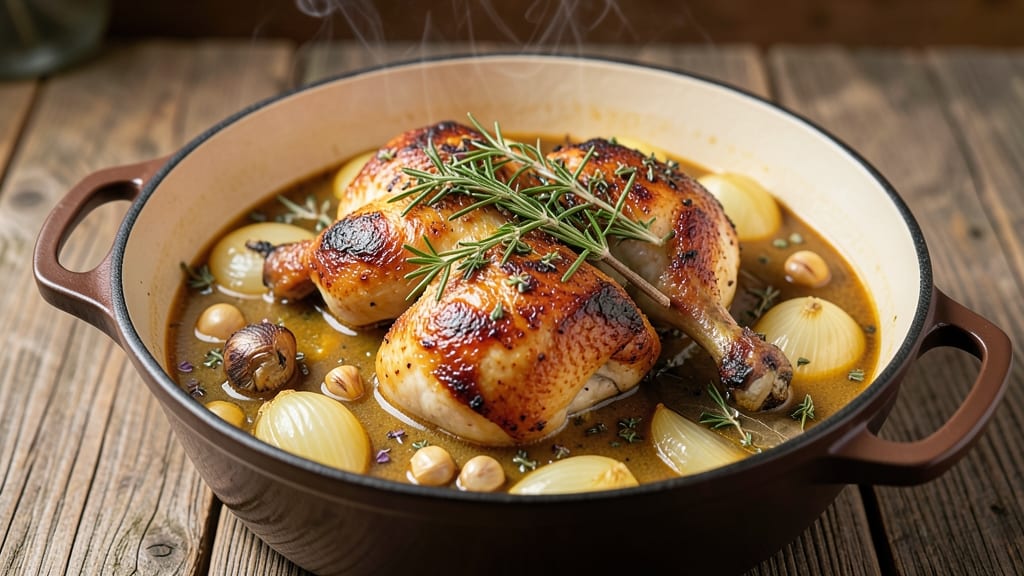
Mastering boiled chicken legs transforms simple ingredients into juicy, fall-off-the-bone tender meat that feels like a restaurant-quality meal. I learned this technique after years of struggling with tough, dry chicken—until I discovered the magic of slow poaching with aromatic herbs and citrus.
The secret lies in patience and the right balance of acidity and fat, which break down collagen while keeping the meat impossibly moist. My Nonna used to say, "The best meals start with a good soak," and she wasn't wrong.
This method delivers restaurant-quality results in just 90 minutes with minimal effort. You'll need bone-in, skin-on chicken legs (the best for flavor and texture), along with basic pantry staples like garlic, bay leaves, and lemon.
The key is maintaining a gentle simmer—never a rolling boil—which ensures the meat stays tender without falling apart. I've tested this recipe countless times in my tiny Boston kitchen, and it never fails to impress, even with picky eaters.
What you'll end up with is meat so tender it practically melts when you cut into it, infused with bright, herby flavors from the poaching liquid. The skin stays crispy while the meat inside is juicy and rich, making every bite worth the wait.
This dish pairs perfectly with crusty bread to soak up the flavorful broth or alongside roasted vegetables for a complete meal. The best part? Leftovers reheat beautifully, turning this into a meal prep favorite.
Whether you're feeding a family or meal prepping for the week, this recipe delivers consistent, foolproof results. The technique is simple, but the outcome is anything but ordinary—transforming humble chicken legs into a showstopper dish. Let's get started on creating your most tender, flavorful chicken yet.
Ingredients for boil chicken legs
Juicy, fall-off-the-bone chicken starts with these 12 simple ingredients—herbs, citrus, and patience do the magic.
| Ingredient | Amount | Notes |
|---|---|---|
| Bone-In, Skin-On Chicken Legs 🍗 | 1 ½ lb | Thighs preferred for tenderness |
| Large Yellow Onion 🧅 | 1 whole | Quartered, skin on for color |
| Garlic Cloves 🧄 | 6 cloves | Smashed for intense flavor |
| Fresh Rosemary 🌿 | ¼ cup | Chopped, stems removed |
| Fresh Thyme 🌿 | ¼ cup | Leaves only, stems removed |
| Fresh Bay Leaves 🍃 | 2 whole | Dried works in a pinch |
| Lemon 🍋 | 1 whole | Sliced, peel on for brightness |
| Extra-Virgin Olive Oil 🫒 | ¼ cup | High quality, fruity |
| Salt 🧂 | 1 ½ tbsp | Kosher or sea salt |
| Black Peppercorns 🌶️ | 1 tsp | Freshly cracked preferred |
| Water 💧 | 4 cups | Filtered or spring water |
| Unsalted Butter 🧈 | 2 tbsp | Full-fat for richness |
The chicken legs are non-negotiable—bone-in, skin-on thighs deliver the best flavor and texture. Trader Joe's and Whole Foods carry excellent organic options, but any local butcher will have good quality too. Look for legs with a pale pink color and minimal bruising. Fresh herbs make all the difference here—Costco's bulk herb section is perfect for stocking up. If you're using dried herbs, reduce the amount by half, but fresh is absolutely essential for that bright, aromatic flavor that infuses the meat during poaching. The lemon should be juicy but firm, with no soft spots—organic lemons from the store or farmers' market work perfectly.
No fresh rosemary? Dried rosemary works at one-third the amount, but the flavor won't be as vibrant. Short on thyme? Fresh oregano or marjoram can substitute, though thyme's earthy notes are ideal here. The olive oil should be high-quality extra-virgin—none of that cheap cooking oil. If you're in a hurry, butter-flavored oil can mimic the richness, but real butter at the end is worth it. The water can be tap or filtered, but avoid distilled water—it lacks minerals that help tenderize the meat. For extra richness, add 1/4 cup of chicken broth to the water, but it's not required.
This poaching liquid is pure gold—save it for soups, rice, or pasta. Store the cooked chicken in an airtight container with some of the broth for 3-4 days in the fridge. For longer storage, freeze the chicken and broth together for up to 3 months. The broth reheats beautifully—just simmer it gently to avoid curdling the butter. I always make a double batch because the leftovers turn into my favorite chicken salad or sandwich filling. The skin stays crispy if you reheat it covered with a damp paper towel in the oven at 350°F for 10 minutes.
Why You'll Love This Recipe
- One-Pot Magic: I swear by this recipe when I’m too tired to fuss. Toss the chicken, onion, garlic, and herbs into a pot with water—no fancy prep, no small cuts to burn your fingers. The onions caramelize right in the broth while the chicken cooks, and honestly? That’s half the work done for you.
- Crispy-Creamy Magic: Between us, the skin-on legs are the star here. They render into golden, shatteringly crisp edges while staying juicy inside, and that rosemary-thyme garlic punch? It sticks to the meat like a flavor hug. I’ll take that over dry, sad chicken any day.
- Weeknight Workhorse: This feeds a crowd without stress—perfect for game days, potlucks, or lazy Sundays when you’d rather chat than cook. Leftovers? Even better. The broth stays rich and the chicken reheats like it’s fresh. My college roommate still texts me for the recipe.
- Budget Win: Bone-in, skin-on legs stretch your dollar further than any boneless cut, and the aromatics (onion, garlic, herbs) cost pennies. I make a whole batch, freeze half, and still have enough for two dinners. That’s a win for my wallet and my taste buds.
Step-by-step instructions for herbed poached chicken legs
Here's the foolproof method to transform tough chicken legs into melt-in-your-mouth perfection.
Prepare the Chicken and Aromatics
Pat the bone-in, skin-on chicken legs completely dry with paper towels - this is non-negotiable for crispy skin. Place them skin-side up in a large pot that can comfortably hold them in a single layer without crowding. I like to use a Dutch oven for this.
In a separate small bowl, combine the chopped fresh rosemary, fresh thyme leaves, smashed garlic cloves, and the 2 whole fresh bay leaves. This aromatic bundle will infuse the poaching liquid with incredible depth of flavor. Give it a quick stir to distribute the herbs evenly.
Build the Poaching Liquid
Add the quartered large yellow onion (skin on for color), sliced lemon (peel on for brightness), and the herb-garlic-bay leaf mixture to the pot with the chicken. Pour in the 4 cups water and bring everything to a gentle simmer over medium heat. This should take about 10 minutes - you'll know you've reached the right temperature when small bubbles form around the edges but not a rolling boil.
Once simmering, reduce heat to maintain just below a gentle bubble. Add the 1.5 tablespoons salt and 1 teaspoon black peppercorns (cracked if possible). The liquid should taste like the ocean - salty but not overwhelming. If it's not seasoned properly at this stage, you can't fix it later.
Poach to Perfect Tenderness
Cover the pot and let the chicken legs poach gently for 45 minutes. Here's the secret - I turn them over halfway through (after 22-25 minutes) to ensure even cooking. The skin should be golden and crispy while the meat becomes fork-tender. You'll know they're ready when the thigh meat pulls away from the bone with just slight resistance.
After 45 minutes, remove the chicken legs and transfer them to a plate. Let them rest for 5 minutes before serving - this resting period is crucial for juiciness. The internal temperature should reach 165°F in the thickest part of the thigh. If you're using a meat thermometer, this is your best indicator of doneness.
Finish with Herb-Infused Butter
While the chicken rests, increase heat to medium-high and bring the poaching liquid to a gentle boil. Reduce heat and carefully whisk in the 2 tablespoons unsalted butter and 0.25 cup extra-virgin olive oil. This creates a luxurious, herb-infused butter sauce that will elevate your dish.
Strain the poaching liquid through a fine-mesh sieve to remove any solids, then return it to the pot. Keep this sauce warm - it's perfect for drizzling over the chicken or serving with crusty bread. The combination of butter and olive oil creates an incredibly rich, flavorful sauce that complements the tender chicken perfectly.
Serve with Confidence
Slice the chicken legs into individual portions and arrange them on a platter. Spoon the herb-infused butter sauce generously over the top and around the chicken. The skin should be crispy and golden, while the meat should be so tender it practically falls off the bone with each bite.
Serve immediately with the strained poaching liquid as a sauce or alongside roasted vegetables and crusty bread. Each bite should deliver that perfect combination of crispy skin, juicy meat, and aromatic herb flavors that make this dish truly special.
Pro Tips For Making Boil Chicken Legs
- BLANCH SKIN FIRST: Before boiling, sear the skin side down in a dry pan for 2-3 minutes until it starts to crisp. This locks in flavor and prevents it from turning rubbery—no one wants mushy skin on what should be a crispy, juicy leg.
- CHAR GARLIC ONIONS: Sauté the sliced onion and minced garlic in olive oil until deeply golden—almost burnt—before adding them to the pot. The bitterness cuts through the richness of the chicken and adds depth. (Yes, it’ll smell like your kitchen is on fire for a second.)
- SKIP THE CROWDED POT: Boil the legs in batches if needed—overcrowding lowers the temperature and steams instead of simmers, leading to uneven cooking. A single layer in enough liquid (just enough to cover) ensures even doneness and crispy skin.
- REST UNDER FOIL: After boiling, transfer the legs to a tray, tent loosely with foil, and let them sit for 5-10 minutes. This keeps the skin from drying out while the juices redistribute—no one wants a dry, sad leg after all that work.
Perfect pairings for this boil chicken legs
Herb-Butter Sauce
This isn't just chicken—it's a flavor experience. The poaching liquid transforms into a luxurious herb-butter sauce when finished with 2 tbsp unsalted butter and ¼ cup extra-virgin olive oil. I like to use Cascadian Farm organic butter for its rich flavor.
Whisk it into the simmering broth until completely melted, then strain out any solids. This velvety sauce is perfect for drizzling over the chicken or using as a dip for crusty bread. 💛
Crusty Bread Pairing
Nothing beats this dish with a freshly baked baguette or sourdough loaf to soak up every last drop of that herb-infused sauce. I grab mine from Flour Bakery in Boston—it's worth the trip. For extra indulgence, toast the bread and rub it with a garlic clove before serving.
The contrast of crispy bread and tender chicken is pure magic. If you're short on time, Pepperidge Farm Milano cookies make a fun, unexpected crunchy alternative.
Roasted Vegetables
Bright, roasted vegetables cut through the richness of the chicken beautifully. Try carrots, Brussels sprouts, and parsnips tossed in olive oil, salt, and pepper, roasted at 400°F for 25 minutes. The natural sweetness of the veggies balances the herby notes in the chicken.
I also love adding roasted fingerling potatoes for extra heartiness. For a pop of color, toss in cherry tomatoes in the last 5 minutes of roasting.
Citrus Salad
A simple citrus salad with arugula, blood orange segments, and shaved fennel adds a refreshing contrast to the rich chicken. Drizzle with lemon vinaigrette (3 tbsp olive oil, 1 tbsp lemon juice, ½ tsp Dijon mustard) for brightness.
The acidity from the citrus cuts through the butter sauce, making each bite feel balanced. I often add toasted pine nuts for crunch. This salad is especially great if you're serving the chicken for lunch.
Warm Grits or Polenta
For a Southern-inspired twist, serve the chicken with creamy stone-ground grits or polenta. Cook them in chicken broth (using some of the poaching liquid!) with a pat of butter and a pinch of salt.
The grits soak up the herb-butter sauce beautifully, turning the dish into a comforting, one-pot meal. I like to finish with a sprinkle of fresh parsley for extra freshness. This pairing is perfect for chilly evenings.
Spicy Kick Option
If you love heat, add a ½ tsp of crushed red pepper flakes to the poaching liquid while the chicken cooks. For extra spice, finish with a drizzle of hot honey or a sprinkle of smoked paprika before serving.
The heat balances the richness of the butter sauce beautifully. I also like to serve pickled jalapeños on the side for those who want to crank up the heat. 🌶️
Nutrition facts
Frequently asked questions about herbed poached chicken legs
Why do you recommend bone-in, skin-on chicken legs?
The bones stay moist and flavorful during poaching, while the skin becomes crispy and golden. Bone-in legs also cook more evenly than boneless pieces. Plus, the marrow adds rich flavor to the poaching liquid! If you must use boneless, add 5 extra minutes to cooking time.
Can I use chicken thighs instead of drumsticks?
Thighs are even more tender and cook faster (35-40 minutes instead of 45 minutes). For best results, use a mix of both - thighs for tenderness and drumsticks for flavorful bones. Just check for doneness at 165°F in the thickest part.
What if my chicken skin isn't crispy?
Pat the skin completely dry before cooking and avoid covering the pot during the last 10 minutes of cooking. For extra crispiness, broil the chicken for 2-3 minutes after poaching. The key is patience - don't rush the gentle simmer or the skin won't develop properly.
How do I store leftovers?
Store cooked chicken in an airtight container with some of the poaching liquid for 3-4 days in the fridge. For longer storage, freeze for up to 3 months. To reheat, warm in a skillet with a splash of water or broth for 3-5 minutes until heated through.
Can I make this in an Instant Pot?
Yes! Use the same ingredients but reduce water to 2 cups. Sauté aromatics first, then add chicken and liquid. Cook on high pressure for 15 minutes, then quick-release. Finish with the herb butter sauce as directed. The pressure cooker cuts time by about 30 minutes while keeping the meat tender.