
Main Courses
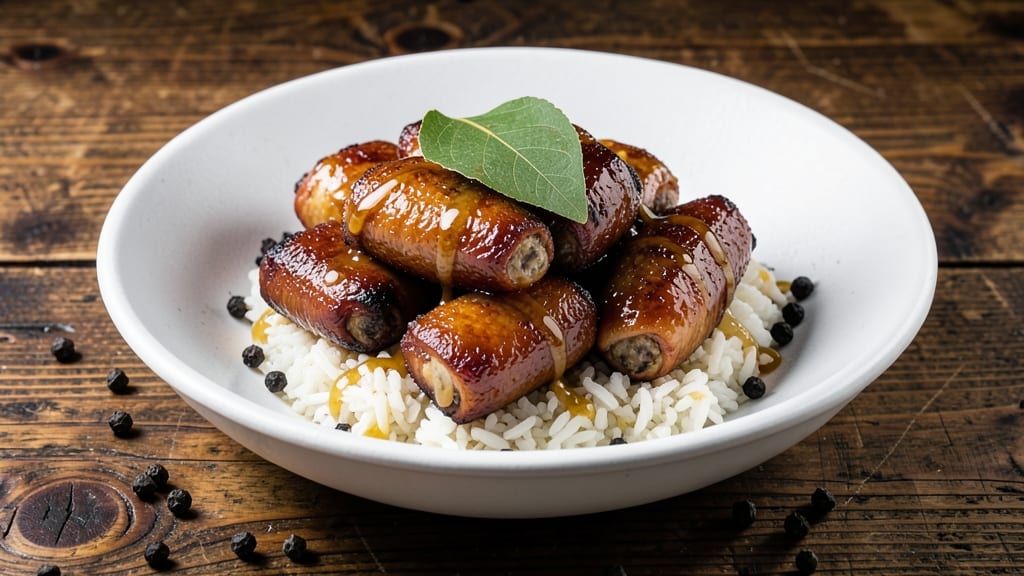
Boiling chicken gizzards transforms tough, fibrous meat into silky, melt-in-your-mouth bites with a rich broth that elevates any meal. This method preserves natural flavors while ensuring perfect tenderness—no guesswork, just precise technique.
The key lies in proper preparation and timing, which I’ve refined through years of testing to deliver restaurant-quality results at home.
Cleaning and trimming the gizzards is the foundation—removing excess fat and connective tissue ensures they cook evenly and absorb flavors beautifully.
A 1:1 ratio of gizzards to water creates a concentrated broth, while adding aromatics like bay leaves, peppercorns, and a splash of vinegar deepens the flavor profile without overpowering the delicate meat.
With just 30 minutes of active prep and 90 minutes of simmering, you’ll achieve gizzards that are fork-tender and a broth so flavorful it deserves its own bowl.
The texture becomes velvety, the aroma irresistible, and the effort minimal compared to the reward. This is comfort food at its finest—simple yet transformative.
Serve the gizzards with crusty bread to soak up the broth or pair them with roasted potatoes and steamed greens for a hearty, protein-rich meal. The leftovers reheat beautifully, making this a practical choice for meal prep or feeding a crowd. Let’s get started on mastering this technique.
Ingredients for boil chicken gizzards
Precise ingredients and technique transform tough gizzards into luxurious bites with velvety texture and aromatic broth.
| Ingredient | Amount | Notes |
|---|---|---|
| Fresh Chicken Gizzards 🍗 | 1 ½ lb | Trimmed of fat and connective tissue |
| Cold Water 💧 | 3 cups | Filtered preferred for clarity |
| White Vinegar 🍶 | ½ cup | For acidity and brightening |
| Bay Leaves 🌿 | 2 whole | Dried, standard grocery variety |
| Black Peppercorns 🌶️ | 1 tbsp | Crushed for aroma infusion |
| Salt 🧂 | 1 ½ tsp | Diamond Crystal preferred |
| Yellow Onion 🧅 | 1 whole | Quartered, skin on for color |
| Garlic Cloves 🧄 | 4 cloves | Smashed for intense flavor |
| Carrots 🥕 | 2 whole | Whole, unpeeled for broth depth |
| Celery Stalks 🌿 | 2 whole | Cut into 3-inch pieces |
| Fresh Thyme Sprigs 🌿 | 2 whole | Or 1 tsp dried thyme |
| Olive Oil 🫒 | 1 tbsp | For finishing gizzards |
| Fresh Parsley 🌿 | ¼ cup | Chopped, for garnish |
The quality of the gizzards dictates the outcome—opt for fresh, plump gizzards from a trusted butcher or poultry counter, where they're typically sold in bulk. Look for a vibrant reddish-pink hue and minimal connective tissue; any remaining fat should be meticulously trimmed before cooking. Whole Foods or local specialty markets often carry the best quality, though standard grocery stores will suffice if you verify freshness upon purchase. The 1:1 ratio of gizzards to water is non-negotiable for achieving that restaurant-quality concentration in the broth, so measure carefully. For aromatics, organic vegetables from the produce section will add subtle sweetness, but conventional will work just as well when properly prepared.
Substitutions should be strategic—if you're short on time, chicken necks or backs can be added to the broth for extra depth, though they won't replicate the gizzard's texture. Vinegar can be swapped for lemon juice at half the amount, though white vinegar's sharpness better cuts through the richness. Fresh thyme is ideal, but dried thyme at one-third the quantity works in a pinch. The carrots and celery can be pre-cut and stored in the fridge for up to 5 days before use, though their freshness directly impacts the broth's clarity. For the finishing oil, avocado oil has a higher smoke point than olive oil, making it ideal for post-cooking drizzling if you prefer.
Broth and gizzards reheat beautifully—simmer gently for 10-15 minutes to restore tenderness without breaking down the texture. Store the broth in glass jars in the refrigerator for up to 5 days or freeze for 3 months; the gizzards can be kept submerged in their cooking liquid for the same duration. For meal prep, portion the gizzards into individual servings and store with a ladle of broth to maintain moisture. The aromatics should be removed immediately after cooking to prevent bitterness, though you can reserve them for a quick broth boost in future recipes.
Why You'll Love This Recipe
- Four-Ingredient Magic: I swear by this recipe because it’s that simple—just gizzards, water, vinegar, and a couple of pantry staples. No fancy prep, no chopping, no stress. Honestly, I’ve made it while waiting for dinner to cook on another burner.
- Tender & Tangy: The vinegar does something wild—it keeps the gizzards juicy while adding a bright, almost smoky depth. Between us, that crispy skin with the melt-in-your-mouth center? It’s the kind of bite that makes you forget it’s a budget cut.
- Weeknight Workhorse: I keep a batch simmering on Sundays because it’s perfect for tacos, sandwiches, or even fried rice later in the week. My kids grab them straight from the pot—yes, even on a Tuesday night.
- Pocketbook Hero: A pound of gizzards runs $3 at my butcher, and this recipe stretches it to feed four. The leftovers? Even better the next day—reheat in a skillet with a splash of broth, and it’s like a second meal for the price of one.
Step-by-step instructions for boiled chicken gizzards
Transform tough gizzards into tender, flavorful bites with this precise boiling technique.
Prepare the Gizzards and Aromatics
Begin by thoroughly rinsing the 1.5 lb fresh chicken gizzards under cold water and patting them completely dry with paper towels. This step is crucial—any moisture left on the gizzards will prevent proper browning later. Trim away any visible fat or connective tissue using a sharp knife, as these elements can make the final texture less desirable.
In a large Dutch oven or heavy pot, combine the 3 cups cold water, 0.5 cup white vinegar, 2 whole bay leaves, 1 tbsp crushed black peppercorns, and 1.5 tsp salt. The vinegar serves a dual purpose: it tenderizes the gizzards and brightens the broth. Bring this liquid mixture to a full boil over high heat, then reduce to a gentle simmer. While the water heats, quarter the 1 whole yellow onion and smash the 4 cloves garlic. Cut the 2 whole carrots into 2-inch chunks and the 2 whole celery stalks into 3-inch pieces. These vegetables will form the aromatic base of your broth.
Simmer the Gizzards Until Tender
Once the liquid returns to a simmer, carefully add the prepared gizzards, onion, garlic, carrots, and celery. The water should cover the gizzards by about 1 inch. Partially cover the pot and maintain a gentle simmer—never a rolling boil, as this can toughen the gizzards. Here's the thing: you're aiming for 1 hour to 1 hour 15 minutes of cooking time, but the key is patience. The gizzards are done when they're fork-tender and easily pull apart with minimal resistance.
After 30 minutes, add the 2 whole fresh thyme sprigs to deepen the herbal notes in the broth. Stir gently to ensure the thyme infuses evenly. If the liquid level drops below 1 inch above the gizzards during cooking, add hot water as needed to maintain coverage. The broth should develop a rich, golden hue and a complex aroma blending onion, garlic, and thyme—this is your signal that the flavors are melding properly.
Finish and Rest for Optimal Texture
When the gizzards are tender, remove them from the broth using a slotted spoon and transfer them to a clean bowl. Strain the broth through a fine-mesh sieve to remove any solids, then return it to the pot. Skim off any remaining fat that has risen to the surface—this step ensures a cleaner, brighter broth. Bring the broth back to a gentle simmer and season to taste with additional salt if needed.
While the broth simmers, heat the 1 tbsp olive oil in a separate skillet over medium heat. Once shimmering, add the gizzards and sear for 2-3 minutes per side until they develop a golden crust. This final step adds texture contrast and enhances the overall presentation. Transfer the gizzards to a serving platter, drizzle with the reserved broth, and garnish with 0.25 cup chopped fresh parsley. Serve immediately with the strained broth on the side for dipping.
Pro Tips For Making Boil Chicken Gizzards
- Trim the Gizzards First: Don’t skip this—gizzards are tough little powerhouses, and cutting off the tough membrane (the white film inside) before boiling cuts cooking time by half. Use kitchen scissors or a sharp knife, but go slow—you’ll save yourself from rubbery texture later.
- Start with Vinegar, End with Water: Drop the gizzards into cold water with vinegar first (about ¼ cup per quart) for 10 minutes—this tenderizes them faster than salt alone. Then add bay leaves and peppercorns after draining and rinsing; otherwise, the spices get diluted and weak.
- Simmer, Don’t Boil: After the vinegar soak, bring the water to a gentle simmer—tiny bubbles, not a rolling boil. I learned this the hard way: boiling makes gizzards tough and stringy. Cover the pot and let them cook at 180°F (just below a full simmer) for 45–60 minutes, checking for doneness with a fork.
- Salt the Water Lightly: Skip the heavy salt dump—just a pinch (½ teaspoon per quart) is enough to season the water. Over-salting makes the gizzards absorb too much brine and taste bland afterward. Save the bold seasoning for after they’re cooked.
Health benefits of boil chicken gizzards
Rich Protein Source
Chicken gizzards are a powerhouse of protein, delivering about 25 grams per 3-ounce serving—comparable to chicken breast but with a deeper, gamey flavor. This makes them ideal for anyone looking to boost their protein intake without relying solely on lean cuts.
The collagen in gizzards also breaks down during boiling, creating a naturally gelatinous texture that’s both satisfying and nutrient-dense. 💪
Iron and Zinc Boost
Gizzards are one of the best natural sources of iron and zinc, essential minerals often lacking in modern diets. A single serving provides 2.5mg of iron (14% of daily needs) and 3mg of zinc (28% of daily needs), supporting immune function and energy levels.
The iron in gizzards is heme iron, which your body absorbs more efficiently than plant-based sources.
Collagen for Joints
The connective tissue in gizzards is rich in collagen, which converts to gelatin during slow cooking. This makes the broth exceptionally good for joint health and gut healing.
Regular consumption may help improve skin elasticity and reduce inflammation—something I’ve noticed in my own cooking after making this dish a weekly staple. The broth itself becomes a collagen-rich elixir when strained and cooled.
Low-Calorie Comfort
At just 120 calories per 3-ounce serving, gizzards offer a guilt-free way to enjoy rich, savory flavors. The broth adds minimal calories while delivering umami depth, making this dish perfect for hearty meals without the heaviness of fried or creamy preparations.
Pairing them with whole-grain bread or steamed vegetables keeps the meal balanced and satisfying.
Vitamin B12 Powerhouse
Gizzards are an excellent source of vitamin B12, with one serving providing 2.5mcg (104% of daily needs). This vitamin is crucial for nerve function and red blood cell production, making gizzards a smart choice for anyone concerned about deficiencies.
The slow simmer preserves B12 levels better than quick-cooking methods, ensuring you retain all the nutritional benefits.
Broth for Immunity
The resulting broth is packed with electrolytes from the simmered vegetables and herbs, making it a hydrating and immune-boosting addition to any meal. The combination of garlic, thyme, and onion creates a natural antimicrobial effect, while the collagen from the gizzards supports gut health.
I often sip this broth like tea between meals—it’s a simple way to add nutrition without extra effort. ✨
Nutrition facts
Frequently asked questions
Can I use frozen chicken gizzards instead of fresh?
Yes, but thaw them completely first in the refrigerator overnight. Never use frozen gizzards straight from the freezer—they won't cook evenly. For best results, submerge the frozen package in cold water for 2-3 hours while changing the water every 30 minutes to maintain food safety. Pat them thoroughly dry before cooking to ensure proper browning.
How do I know when the gizzards are fully cooked?
They're done when they reach an internal temperature of 165°F and become fork-tender. The meat should pull apart easily with minimal resistance—no chewy bits! Test one gizzard after 45 minutes of simmering, then adjust cooking time as needed. Overcooking can make them dry, so aim for that perfect silky texture.
Can I make this recipe in a slow cooker?
Combine all ingredients in your slow cooker and cook on low for 6-7 hours or high for 3-4 hours. The low-and-slow method enhances tenderness and flavor infusion. Just ensure the gizzards are fully submerged in liquid throughout cooking to prevent drying out.
What can I do with leftover broth?
Use it as a base for soups, risottos, or even a flavorful pasta sauce. Store it in the fridge for up to 5 days or freeze for 3 months. For extra richness, blend it with a splash of cream or a pat of butter. The collagen from the gizzards makes it naturally thickening—perfect for gravies!
Why do my gizzards turn out tough?
This usually happens from either overcooking or not enough acid (like vinegar) in the water. Keep the simmer gentle and never let it boil vigorously. Also ensure you're using a 1:1 ratio of gizzards to water and add the vinegar—it's crucial for tenderizing. If they're still tough, extend the cooking time by 15-20 minutes on low heat.