
Main Courses
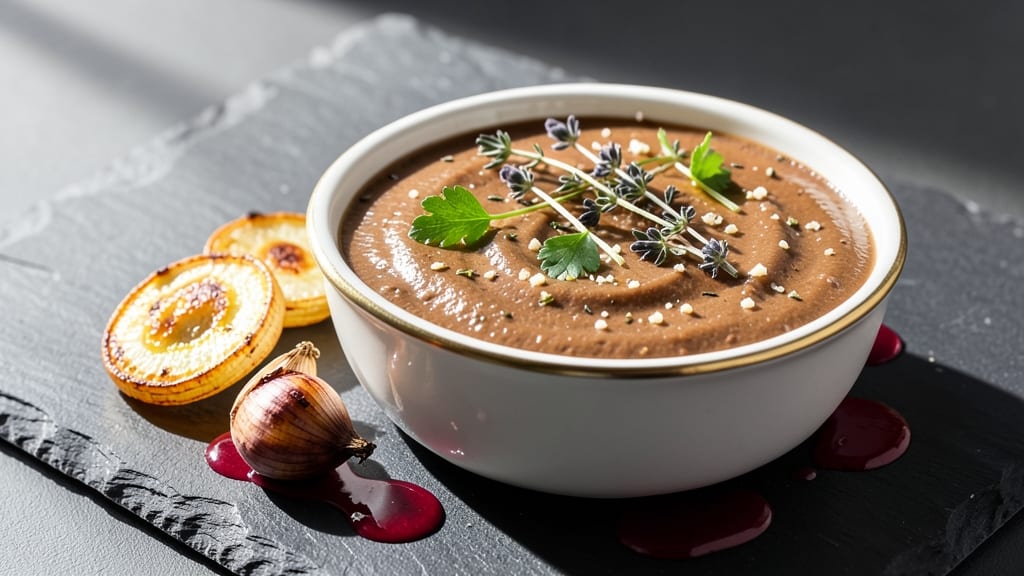
Creating a basic chicken liver pâté recipe that delivers that luxurious, velvety texture requires precision—but trust me, it’s worth every step. Growing up in small-town Georgia, I learned how offal could transform into something extraordinary when handled with care, and this recipe is proof.
The key lies in rendering the fat properly and blending until the mixture is silky smooth, with just the right balance of herbs and butter.
This recipe delivers a rich, silky spread that’s perfect for elegant gatherings or simple weeknight meals. The process involves deboning the livers, rendering the fat over low heat, and blending the mixture until it’s silky and glossy.
With just a handful of ingredients—chicken livers, butter, herbs, and aromatics—you’ll achieve a texture that’s both luxurious and foolproof.
The result is a pâté that’s perfectly balanced—neither too fatty nor too dry, with a depth of flavor that comes from slow-cooked aromatics. Serve it with crusty bread, crackers, or as part of a charcuterie board, and you’ll have a dish that feels like a restaurant-quality centerpiece.
The secret? Patience and attention to detail, which I’ll walk you through step by step.
Once mastered, this pâté becomes a versatile staple in your kitchen—ideal for appetizers, sandwiches, or even as a topping for toasted baguettes. Let’s get started on creating something truly special.
Ingredients for basic chicken liver pate
Fresh offal, rich butter, and fragrant herbs transform into a velvety pâté that tastes like a Parisian bistro.
| Ingredient | Amount | Notes |
|---|---|---|
| Chicken Livers 🍗 | 1 lb | Fresh, trimmed of connective tissue |
| Unsalted Butter 🧈 | ½ cup | Cold, cut into small cubes |
| Shallots 🧅 | 2 whole | Minced, about 0.25 cup |
| Garlic Cloves 🧄 | 3 cloves | Minced, about 1 tsp |
| Fresh Thyme Leaves 🌿 | ¼ cup | Chopped, stems removed |
| Fresh Parsley Leaves 🌿 | 0.15 cup | Chopped, for brightness |
| Brandy 🍷 | 2 tbsp | Or substitute with cognac |
| Diamond Crystal Kosher Salt 🧂 | ½ tsp | For seasoning |
| Freshly Ground Black Pepper 🌶️ | ¼ tsp | Freshly cracked |
| Heavy Cream 🥛 | ¼ cup | Full-fat for richness |
| Chicken Stock 🍲 | ¼ cup | Homemade preferred |
The livers are the star—freshness is everything here. Grab them from the butcher counter (not pre-packaged) and ask for the freshest cut. Look for a deep red color with no grayish tinge—that’s your sign of freshness. If they’re not bone-in, even better. For the butter, European-style unsalted (like Plugrá) has a higher fat content, which gives that luxurious mouthfeel. Shallots and garlic? Roast them first for a sweeter, deeper flavor—toss them in the oven at 400°F for 10 minutes before mincing. I always double-check my herbs too; fresh thyme and parsley should smell vibrant, not wilted.
No brandy? Substitute with apple cider or extra chicken stock—just add a splash of lemon juice for brightness. Short on parsley? Fresh cilantro works in a pinch, though it’ll change the flavor profile slightly. The heavy cream is non-negotiable for that silky texture, but if you’re avoiding dairy, Greek yogurt at half the amount can mimic some of the richness. For the stock, homemade is best, but a high-quality store-bought version (like Kitchen Basics) will work. The key is balancing the fat—the pâté should be spreadable but not greasy, so if it feels too rich, add a splash more stock or cream to lighten it up.
This pâté keeps beautifully—sealed in an airtight container, it’ll stay fresh for up to 5 days in the fridge. For longer storage, portion into small ramekins or silicone molds, then freeze for up to 3 months. The texture actually improves after a day or two as the flavors meld. Serve it chilled for that classic pâté experience, or at room temperature for a more rustic touch. I like to garnish with a sprinkle of fresh parsley right before serving—it adds a pop of color and freshness that makes it look restaurant-worthy.
Why You'll Love This Recipe
- Here’s what sold me: the butter doesn’t make it greasy. It’s velvety, with that crispy edge from the seared livers, and the thyme cuts through the richness like a breath of fresh air. Honestly, it’s the kind of pate that makes you want to eat it straight from the bowl—no apologies.
- Fewer Ingredients, Bigger Impact: I swear by this—just livers, butter, shallots, and thyme. That’s it. No fancy add-ins, no hunting for obscure spices. The richness comes from the butter melting into the livers while the shallots caramelize, and suddenly, you’ve got something restaurant-worthy without the grocery list.
- Rich but Not Heavy: Here’s what sold me: the butter doesn’t make it greasy. It’s velvety, with that crispy edge from the seared livers, and the thyme cuts through the richness like a breath of fresh air. Honestly, it’s the kind of pate that makes you want to eat it straight from the bowl—no apologies.
- Weeknight to Holiday Table: Between us, I’ve served this on toast for a lazy Sunday morning and as a fancy appetizer for Thanksgiving. The same recipe, just different presentation. Spread it on crusty bread for a quick bite, or pipe it into phyllo cups for guests who’ll think you slaved over it.
Step-by-step instructions for chicken liver pate
This method delivers a velvety, restaurant-quality spread every time—rich, smooth, and perfectly balanced.
Prepare and Sear the Chicken Livers
Pat the 1 lb chicken livers completely dry with paper towels, removing any connective tissue or silver skin. This step prevents bitterness and ensures a clean texture. Cut each liver into ½-inch chunks for even cooking.
Heat 2 tablespoons of the 0.5 cup unsalted butter in a large skillet over medium-high heat until foaming. Add the liver chunks in batches to avoid crowding, cooking for 2-3 minutes per side until golden brown and cooked through. The livers should reach an internal temperature of 145°F. Remove them immediately and set aside—overcooking will make the pate grainy.
Sauté Aromatics and Deglaze the Pan
In the same skillet (don't clean it—the browned bits are flavor gold), add the 2 minced shallots and cook for 3 minutes until softened. Add the 3 minced garlic cloves and cook for 30 seconds until fragrant. Here's the thing—garlic burns fast, so keep an eye on it.
Pour in the 2 tbsp brandy and scrape up all the browned bits from the bottom of the pan. Let it simmer for 2 minutes until the alcohol smell dissipates. This deglazing step captures all the meaty flavor you just seared into the pan.
Build the Base with Herbs and Stock
Add the remaining 0.3 cup unsalted butter (you started with 0.5 cup total) and stir in the 0.25 cup chopped fresh thyme leaves and 0.15 cup chopped fresh parsley leaves. Cook for 1 minute until the herbs are just wilted but still vibrant.
Pour in the 0.25 cup chicken stock and bring to a gentle simmer. Let it reduce by half—about 3-4 minutes—until it thickens slightly. This step develops the depth of flavor that separates good pate from exceptional pate.
Create the Silky Texture
Transfer the cooked livers to a food processor along with the sautéed aromatics and reduced stock mixture. Pulse until completely smooth, scraping down the sides as needed. This is where the magic happens—your food processor should be powerful enough to create a completely homogeneous mixture.
With the processor running, slowly drizzle in the 0.25 cup heavy cream. This creates the signature silky texture while adding richness. The mixture should be velvety smooth with no visible chunks. If it's too thick, add 1-2 teaspoons of chicken stock to reach your desired consistency.
Season and Rest for Perfect Flavor
Transfer the pate to a serving dish and stir in the 0.5 tsp diamond crystal kosher salt and 0.25 tsp freshly ground black pepper. Spread it into a shallow dish and refrigerate for at least 2 hours, or until completely chilled. This resting period allows the flavors to meld and the texture to set properly.
When ready to serve, give it one final taste and adjust seasoning if needed. The perfect chicken liver pate should be rich but not overpowering, with a delicate balance of herbal notes and umami depth. Serve with crusty bread or crackers for the ultimate appetizer experience.
Pro Tips For Making Basic Chicken Liver Pate
- Sear Livers First: Hit the pan with high heat and a dry surface—no butter yet. The livers should go from raw to golden in about 30 seconds per side, or they’ll steam instead of develop that rich, caramelized edge. I learned this the hard way after making a batch that tasted bland and watery.
- Soak Livers 30 Minutes: Toss the livers in cold water for half an hour before cooking—this removes the bitter blood and gunk. Rinse and pat very dry afterward, or the butter will spit like a grease fire. (Yes, even if you’re impatient like me.)
- Sweat Shallots Low: Cook the shallots on low heat with a pinch of salt until they’re translucent and just starting to soften—about 8-10 minutes. Rushing this turns them mushy and dulls the flavor. My grandmother swore by this, and she was right: patience here makes the pate sing.
- Blend Butter Last: Add the cold butter in pulses at the very end, mixing just until combined. If you blend it in too early, the heat will melt it completely and turn the pate greasy. A few soft lumps of butter keep it silky—trust the process, even if it looks weird.
Flavor customization for these flavors
Herb Variations
Swap thyme and parsley for rosemary and tarragon for a more French bistro vibe—just use 1 tbsp each of the fresh herbs. I love adding ½ tsp dried marjoram to the blend for a subtle, earthy depth that pairs beautifully with the liver’s richness.
For a Southern twist, try ¼ cup chopped sage and a pinch of smoked paprika—this combo adds a smoky warmth that feels right at home in my Georgia kitchen. 🌿
Spicy Kick Options
For heat lovers, stir in ½ tsp cayenne pepper or 1 tsp hot honey during the blending stage. I’ve also used ½ tsp Penzeys’ hot sauce (like the Louisiana-style) for a tangy, fiery finish.
If you prefer smoldering heat, add 1 tbsp chopped chipotle peppers in adobo along with the aromatics—just reduce the cooking time to 1 minute to avoid burning. 🌶️
Umami Boosters
Deepening the umami profile elevates this pate from good to extraordinary. Fold in 1 tbsp soy sauce or 1 tsp fish sauce (like Red Boat) into the final mixture for a savory punch.
For a meatier texture, blend in 2 oz finely chopped prosciutto or 1 tbsp mushroom powder—trust me, it makes a difference. I also love adding 1 tsp Worcestershire sauce for a tangy, complex layer. 💡
Sweet-Tart Balance
Brighten the pate with 1 tsp lemon zest or 1 tbsp orange marmalade swirled into the finished mixture. A splash of 1 tbsp port wine (instead of brandy) adds a fruity sweetness that cuts through the fat.
For a dessert-worthy twist, fold in 2 tbsp apricot jam and serve with brioche toast—it’s a crowd-pleaser at holiday gatherings. 🍊
Texture Twists
For a rustic texture, fold in 2 tbsp toasted breadcrumbs or 1 tbsp crushed pistachios into the pate before chilling. If you prefer a lighter spread, blend in 2 oz whipped goat cheese at the end for a tangy contrast.
I’ve also experimented with 1 tbsp crumbled blue cheese for a bold, creamy variation that’s perfect with sharp cheddar crackers. 🧈
Global Flavors
Transform this classic into a Moroccan-inspired version by adding ½ tsp ground cumin and ½ tsp cinnamon to the aromatics. For an Indian twist, stir in 1 tsp garam masala and 1 tbsp yogurt for a cooler, spiced spread.
A Japanese-inspired variation uses 1 tsp mirin and ½ tsp grated ginger—it’s a refreshing take that pairs well with rice crackers. 🗺️
Nutrition facts
Frequently asked questions about chicken liver pâté
Why do I need to pat the chicken livers completely dry before cooking?
Any moisture left on the livers will steam instead of sear, creating a watery texture in your pâté. Patting them dry ensures a crisp golden crust and prevents bitterness from undercooked centers. This step is non-negotiable for that signature velvety consistency.
Can I use frozen chicken livers for this recipe?
Fresh livers are ideal, but if using frozen, thaw them completely in the refrigerator overnight. Never use cold livers straight from the freezer—they'll release moisture and ruin your texture. For best results, ask your butcher for fresh livers the same day you plan to cook.
How do I fix a pâté that's too greasy?
If your mixture feels overly rich, stir in 1-2 teaspoons of chicken stock or heavy cream while blending to lighten the consistency. For extra balance, add ½ teaspoon of lemon juice or a pinch of salt to cut through the fat. The goal is a spreadable texture, not a greasy one.
What's the best way to serve this pâté?
This luxurious spread shines with crusty baguette slices, water crackers, or toasted brioche. For an elegant touch, arrange it in a ramekin with a drizzle of olive oil and fresh herbs. It's also perfect as a sandwich filling with sharp cheddar and apple slices.
Can I make this pâté ahead of time?
This recipe actually tastes better after resting. Store it in an airtight container in the fridge for up to 5 days, or freeze in portions for 3 months. Let it come to room temperature before serving for the best texture.