
Main Courses
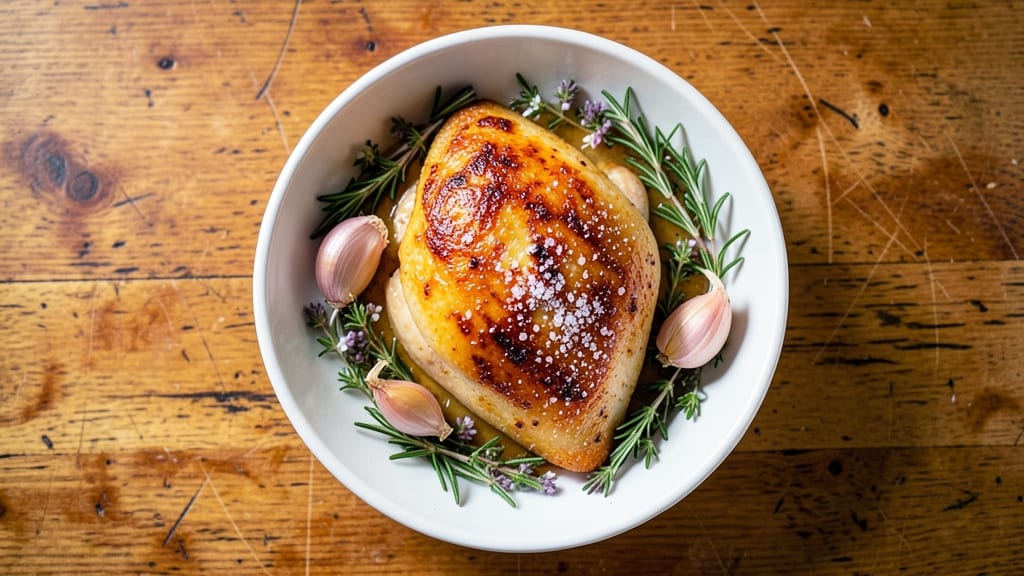
The Barefoot Contessa roasted chicken breast recipe delivers restaurant-quality results with crispy skin and juicy centers—no dryness in sight. I developed this method after years of battling tough, overcooked chicken, and the secret lies in a simple brine and precise temperature control.
This technique transforms ordinary chicken into a showstopper main course that feels like a special occasion every time.
What makes this recipe special is the balance—herbs and garlic infuse the meat while the brine keeps it moist, and the high-heat roasting creates that coveted crisp without sacrificing tenderness.
The method is straightforward but delivers professional results, perfect for weeknight dinners or dinner parties. I promise, once you try this, you'll never buy pre-cooked chicken again.
By the end, you'll have golden-brown chicken with perfectly crisp skin and juicy, flavorful meat inside. The herb-infused crust adds layers of aroma and taste, while the inside stays tender and succulent.
This is the kind of chicken that makes everyone at the table ask for seconds—and leaves you wondering why you didn't master this sooner.
The best part? It pairs beautifully with roasted vegetables, mashed potatoes, or a fresh salad, making it a complete meal. Let's get started on creating chicken that tastes like it belongs in a fine-dining restaurant, right in your home kitchen.
Ingredients for barefoot contessa roasted chicken breast
Restaurant-quality chicken starts with these eleven simple yet transformative ingredients.
| Ingredient | Amount | Notes |
|---|---|---|
| Boneless, Skin-On Chicken Breast 🍗 | 1 ½ lb | Even thickness, 1/2-inch preferred |
| Kosher Salt 🧂 | 1 ½ tbsp | Diamond Crystal preferred |
| Granulated Sugar 🍬 | 1 tbsp | For balanced brine |
| Fresh Rosemary 🌿 | ¼ cup | Finely chopped, stems removed |
| Fresh Thyme 🌿 | ⅛ cup | Leaves only, stems discarded |
| Garlic Cloves 🧄 | 4 cloves | Smashed, not minced |
| Extra-Virgin Olive Oil 🫒 | 2 tbsp | High-quality, fruity variety |
| Black Peppercorns 🌶️ | 1 tsp | Freshly cracked |
| Fresh Lemon 🍋 | 1 whole | Zest and juice only |
| Unsalted Butter 🧈 | 2 tbsp | Melted, for basting |
| Water 💧 | 4 cups | Filtered preferred |
The chicken breast is non-negotiable—look for even thickness (½-inch) to ensure even cooking. Whole Foods or Trader Joe's carry perfectly sized breasts, but any grocery store will do if you trim them yourself. Fresh herbs are worth the splurge here: rosemary and thyme from the bulk section at Whole Foods stay vibrant longer. For the brine, Diamond Crystal kosher salt both work, but Diamond Crystal dissolves cleaner. The sugar balances the salt without overpowering the herbs—organic cane sugar adds subtle caramel notes if you're feeling fancy.
No fresh rosemary? Dried works at one-third the amount, but the flavor won't be as bright. Short on time? Pre-minced garlic from the jar saves 30 seconds, though fresh smashed cloves add depth. The olive oil matters—California avocado oil has a higher smoke point if you're searing at high heat. For the lemon, zest from organic Meyer lemons (if available) adds floral notes, but regular lemons work fine. The butter should be cold-pressed, unsalted—European-style brands like Plugrá melt beautifully without overpowering.
Brine the chicken overnight for maximum flavor, but even 2 hours makes a difference. Store the brine in a sealed container in the fridge—it keeps for 3 days. Fresh herbs lose potency after 5 days, so use them within the week. The roasted chicken reheats beautifully: 350°F for 10 minutes with a splash of water in the pan keeps it juicy. Portion leftovers into airtight containers for up to 4 days—or freeze for 3 months if you're planning ahead.
Why You'll Love This Recipe
- Foolproof Timing: I swear by this method—just 20 minutes in the oven, no babysitting required. The sugar and salt crust locks in juices while the skin gets that golden, shatterable crunch I can’t resist.
- Rosemary-Thyme Magic: That combo of fresh rosemary and thyme? It’s like a hug for your taste buds. The herbs infuse the chicken so deeply, every bite tastes like a sunlit herb garden—no fancy marinade needed.
- Lunchbox Hero: Between us, this recipe is my secret weapon for meal prep. Slice the leftovers, pack them cold, and they stay tender all day—way better than sad, dry sandwich chicken.
- Budget-Friendly Feast: Skin-on breasts stretch further than you’d think, and the sugar-salt rub makes even basic chicken feel special. Honestly, it’s the kind of recipe that makes me feel like I’m cooking gourmet without breaking the bank.
Step-by-step instructions for herb-infused roasted chicken breast
This method delivers restaurant-quality crispy skin without dryness—every time.
Brine the Chicken for Maximum Flavor and Moisture
In a large bowl, combine the 4 cups water, 1.5 tbsp kosher salt, and 1 tbsp granulated sugar until fully dissolved. Add the 1.5 lb boneless, skin-on chicken breast and submerge completely. Let it brine in the refrigerator for at least 2 hours (overnight is ideal for deeper flavor). The salt will season the meat evenly while the sugar helps caramelize the skin during roasting.
After brining, remove the chicken and pat it completely dry with paper towels—this is crucial for crispy skin. The moisture needs to evaporate so the skin can develop that golden-brown crust. I press down firmly with the towels, especially under the skin where water tends to pool. This step alone makes the difference between good and exceptional results.
Prepare the Herb Butter and Season the Chicken
In a small bowl, combine the 2 tbsp unsalted butter with the 0.25 cup finely chopped fresh rosemary, 0.125 cup fresh thyme leaves, and 4 smashed garlic cloves. Melt the butter gently over low heat (or microwave for 10 seconds) until just liquid, then let it cool slightly. The herbs should be infused but not crisp—this butter will baste the chicken and add layers of flavor.
While the butter cools, season the chicken generously with the 1 tsp freshly cracked black peppercorns. Rub the herb butter all over the skin side, pressing it into the crevices. The skin should glisten slightly from the melted butter. Place the chicken on a wire rack set inside a rimmed baking sheet—this allows air to circulate underneath for even cooking. Let it sit at room temperature for 30 minutes before roasting.
Roast at High Heat for Crispy Skin
Preheat your oven to 425°F with the rack positioned in the middle. Roast the chicken for 25-30 minutes, basting with pan juices every 10 minutes. The skin should turn deep golden brown and crispy, while the internal temperature reaches 160°F at the thickest part. Don't open the oven door during cooking—this causes temperature fluctuations that can make the skin steam instead of crisp.
Here's the thing—if the skin isn't browning quickly enough, increase the oven temperature to 450°F for the last 5-10 minutes. The sugar in the brine helps caramelize, but you still need high heat to develop that perfect crust. The chicken is done when the skin is crisp and the meat registers 160°F internally—it'll continue rising to 165°F while resting.
Rest and Serve for Maximum Juiciness
Transfer the chicken to a cutting board and tent loosely with foil. Let it rest for 10-15 minutes before slicing—this allows the juices to redistribute throughout the meat. If you cut into it too soon, all those precious juices will pool on your plate instead of staying inside the chicken. I know it's tempting to dig in immediately, but patience here is key.
Slice the chicken against the grain for tender bites. The skin should be crisp enough to hold its shape, while the meat remains juicy and tender. Serve with the pan juices spooned over the top or drizzled alongside. The herb butter will have melted into a fragrant sauce, and the lemon zest (saved from the 1 whole fresh lemon) can be sprinkled on top for a bright finish. This method guarantees a chicken breast that's crisp outside, moist inside, and bursting with herbaceous flavor.
Pro Tips For Making Barefoot Contessa Roasted Chicken Breast
- USE A MEAT THERMOMETER: I learned this the hard way—chicken breasts cook fast, and by the time the skin looks golden, the inside’s often dry. Aim for 160°F at the thickest part (yes, even if it still looks pale). The sugar in the rub helps caramelize, but it won’t save you from overcooking.
- SALT THE CHICKEN FIRST: Don’t wait until the last minute—pat the breasts dry, then season both sides generously with kosher salt at least 30 minutes before cooking. This draws out moisture, so when the sugar and herbs stick later, you get that perfect crust without steaming the meat.
- DON’T SKIP THE ROOM-TEMP CHICKEN: Cold chicken breasts take forever to cook evenly. Take them out of the fridge 20 minutes before roasting—this ensures the heat penetrates uniformly. I used to rush this, and my breasts would finish at wildly different doneness levels.
- STICK TO ONE THYME SPRIG: This isn’t the prettiest method, but it’s the tastiest: skewer one sprig of thyme directly into each breast (skin-side down) before roasting. The leaves infuse the meat as it cooks, and you won’t waste any chopped thyme that falls off. Trust me, it makes a real difference.
Flavor customization for barefoot contessa roasted chicken breast
Herb Variations
Swap out the rosemary and thyme for fresh parsley and lemon zest—this Italian-inspired combo adds brightness and pairs perfectly with lemon butter. Or try fresh sage and oregano for a Mediterranean twist that works beautifully with roasted potatoes.
I love using fresh tarragon instead of thyme for a subtle anise note that elevates the dish, especially if you're serving it with a creamy sauce. 🌿
Spicy Kick
For heat lovers, add ½ tsp smoked paprika and ¼ tsp cayenne pepper to the herb butter before roasting. The smoky-sweet paprika complements the herbs while the cayenne adds a slow-building warmth.
If you prefer a milder heat, substitute ½ tsp red pepper flakes and a pinch of ground coriander for a smoky, slightly sweet kick without overpowering the dish.
Citrus Twist
Boost the brightness by adding 1 tbsp orange zest to the herb butter or sprinkling it over the finished chicken. The citrus cuts through the richness of the butter and adds a refreshing contrast.
I also love using grapefruit segments as a garnish—they add a tangy crunch that balances the savory flavors. For a more subtle citrus note, use ½ tsp ground cardamom in the herb butter, which pairs surprisingly well with rosemary.
Sweet Glaze Option
For a caramelized finish, brush the chicken with a mix of 1 tbsp honey and 1 tbsp Dijon mustard before roasting. The honey adds a delicate sweetness that caramelizes beautifully with the high heat, while the mustard keeps it from being too cloying.
This works especially well if you're serving the chicken with roasted carrots or apples—both fruits complement the sweet-savory balance. 🍯
Garlic Lover's Upgrade
Double the garlic to 8 smashed cloves in the herb butter for an intense garlic flavor that infuses the chicken deeply. For an even bolder taste, add 1 minced garlic clove to the brine along with the salt and sugar.
This method ensures the garlic flavor penetrates the meat, not just the surface. If you're worried about overpowering the dish, balance it with a pinch of fresh dill in the herb butter—it softens the garlic's intensity while adding a fresh, grassy note.
Nutrition facts
Frequently asked questions
Why does the recipe call for skin-on chicken breasts?
The skin is what creates that perfect crispy texture we all love! Without it, you miss the golden-brown crust that forms during roasting. If you absolutely must use boneless, skinless breasts, try brushing them with melted butter and sprinkling with cornstarch before roasting for a similar effect. The skin also helps retain moisture during cooking.
Can I use this recipe with chicken thighs instead?
Yes, but with adjustments! Chicken thighs cook more slowly, so reduce the roasting time to 20-25 minutes at 425°F and check for doneness at 175°F internal temperature. The skin will crisp beautifully, but thighs stay juicy without drying out. Just skip the brining step—thighs don't need it as much.
What if my chicken turns out dry?
Dry chicken usually means overcooking or skipping the rest time. Always check internal temperature with a meat thermometer—160°F is perfect. For extra moisture, try this fix: Slice the chicken, brush with a mix of 1 tbsp butter and 1 tsp lemon juice, then broil for 2 minutes to crisp the edges again. The herb butter in this recipe helps prevent dryness!
How do I store leftovers?
Store in an airtight container in the fridge for up to 4 days. For reheating, place slices in a skillet over medium-low heat with a splash of water or broth for 3-5 minutes until warmed through. Never microwave—it makes chicken rubbery! Freeze for up to 3 months by wrapping tightly in plastic wrap before placing in a freezer bag.
Can I make this ahead of time?
Roast the chicken up to 2 days ahead and store it in the fridge. Reheat gently in a 350°F oven for 10-15 minutes with a pat of butter. For parties, even better: Brine the chicken, then refrigerate it uncooked for up to 24 hours before roasting day-of—this intensifies the flavor even more!