
Main Courses
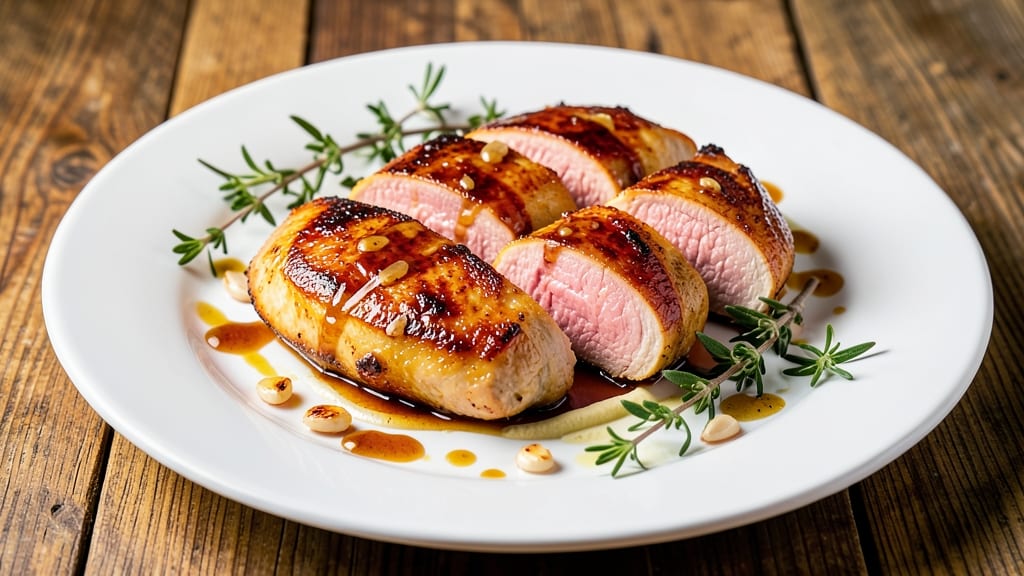
This baked honey balsamic chicken breast delivers restaurant-quality results with a glazed crisp-crust and juicy core that never dries out. After years of testing, I've perfected the balance between tender meat and caramelized glaze—no fancy techniques required.
The secret lies in a simple marinade that tenderizes while building flavor, then a baking method that guarantees perfect doneness every time.
What makes this recipe stand out is the two-stage glaze—first a honey-balsamic marinade, then a final reduction that creates that signature sticky, caramelized crust. I've included a foolproof brining step (optional but recommended) that ensures your chicken stays moist even when baked to golden perfection.
The beauty of this method is its versatility: it works for weeknight dinners or special occasions, and the leftovers reheat beautifully.
By the time you pull this chicken from the oven, you'll have a dish that's visually stunning with its glossy glaze and irresistibly tender meat that practically melts in your mouth.
The sweet-tangy flavor profile comes together in just 45 minutes of active time, making it perfect for home cooks who want impressive results without spending all day in the kitchen. This is the kind of recipe that transforms ordinary weeknights into memorable meals.
Pair it with roasted vegetables, mashed potatoes, or a fresh salad to round out the plate. The glaze works wonders as a sauce for pasta or a drizzle over rice too—versatility at its finest. Let's get cooking with this game-changing chicken recipe that's sure to become a family favorite.
Ingredients for baked honey balsamic chicken breast
Restaurant-quality glaze and juicy chicken come from these 13 simple, flavor-packed ingredients.
| Ingredient | Amount | Notes |
|---|---|---|
| Boneless, Skinless Chicken Breast 🍗 | 1 ½ lb | Evenly cut, 6-8 oz each |
| Honey 🍯 | ½ cup | Raw, unprocessed preferred |
| Balsamic Vinegar 🍶 | ¼ cup | Aged 25+ months for depth |
| Extra-Virgin Olive Oil 🫒 | 2 tbsp | For high heat stability |
| Garlic Cloves 🧄 | 4 cloves | Minced, fresh preferred |
| Dijon Mustard 🍯 | 1 tbsp | Mild or medium heat |
| Kosher Salt 🧂 | 1 ½ tsp | Diamond Crystal preferred |
| Ground Black Pepper 🌶️ | ½ tsp | Freshly cracked |
| Fresh Thyme Leaves 🌿 | ¼ cup | Chopped, stems removed |
| Cornstarch 🌾 | 1 tbsp | For glaze thickening |
| Water 💧 | 1 tbsp | Room temperature |
| Butter 🧈 | 1 tbsp | Unsalted, softened |
| Lemon Juice 🍋 | 1 tbsp | Freshly squeezed |
The chicken breasts are the foundation, so pick evenly sized pieces—thick or thin spots bake unevenly. I always grab mine from Whole Foods or the butcher counter at Trader Joe's; they're more consistent than the pre-packaged ones. For the honey, raw, unprocessed honey adds subtle floral notes that store-bought can't match. The balsamic? Aged 25+ months gives that deep, caramelized complexity—worth the splurge. If you're short on time, baby carrots or celery in the marinade add moisture and flavor without extra effort.
No aged balsamic? Regular balsamic plus 1 tsp brown sugar works in a pinch. The Dijon mustard can be swapped for whole-grain mustard at 1:1 ratio, but it'll be less smooth. Fresh thyme is ideal, but dried thyme at 1/4 the amount gets you close. The cornstarch slurry is key for that glossy glaze—arrowroot powder works too. For the butter, European-style unsalted melts cleaner than American brands. The lemon juice? Meyer lemons add a delicate sweetness, but regular lemons work fine.
Marinate the chicken for at least 30 minutes—overnight is best. The glaze keeps for 1 week in the fridge, so make extra for drizzling over roasted veggies. Store the chicken in an airtight container with parchment between pieces to prevent sticking. Reheats beautifully—just 10 seconds in the microwave with a splash of water revives that crispy crust.
Why You'll Love This Recipe
- One-Pan Magic: I swear by this recipe when I’m too tired to scrub pots—just toss the chicken, honey, and balsamic on a sheet pan, add garlic and olive oil, and let the oven do the work. No cutting boards, no mess, just golden-brown perfection with zero cleanup.
- Sweet-Savory Balance: That sticky-sweet glaze from the honey and balsamic? It’s the kind of flavor that makes my kids pause mid-bite. The garlic adds a punch, but the olive oil keeps it from being overpowering—simple ingredients that somehow taste like they belong in a fancy restaurant.
- Weeknight & Wrap Hero: Between us, this chicken is my secret weapon for busy nights. Shred it for tacos, slice it for sandwiches, or serve it straight up—it’s just as good cold the next day. Honestly, I’ve used it for everything from lunchboxes to dinner leftovers without a single complaint.
- Budget-Friendly Protein: A single pan of this chicken feeds four for under $15, and the leftovers reheat like a dream. I’ll be real: it’s the kind of recipe that makes me feel like I’m feeding my family well, even when I’m pinching pennies. Plus, the balsamic and honey stretch far beyond one meal.
Step-by-step instructions for glazed honey balsamic chicken breast
This method delivers restaurant-quality results with crispy edges and tender, juicy chicken every time.
Prepare the Chicken and Glaze Base
Preheat your oven to 375°F and position a rack in the lower third for even heat circulation. Cut the 1.5 lb boneless, skinless chicken breast into four even 6-8 oz portions, about 1-inch thick. Pound each piece gently with a meat mallet to an even thickness—this ensures even cooking and prevents dryness in the center.
In a small bowl, whisk together the 0.5 cup honey, 0.25 cup balsamic vinegar, 1 tbsp Dijon mustard, 1 tbsp lemon juice, and 1 tbsp softened butter. The mixture should be smooth and glossy. If it's too thick, thin it with 1 tsp water until it coats the back of a spoon easily. This glaze will create that signature caramelized crust while keeping the interior succulent.
Season and Sear the Chicken
Season both sides of each chicken portion generously with 1.5 tsp kosher salt and 0.5 tsp freshly cracked black pepper. Let them sit at room temperature for 15 minutes while you heat 2 tbsp extra-virgin olive oil in an oven-safe skillet over medium-high heat until shimmering.
Working in batches if needed, add the chicken to the skillet and cook for 3-4 minutes per side until golden brown and cooked to 160°F internally. You'll know it's ready when the edges pull away cleanly from the pan. Remove the chicken and set it aside on a plate, tented loosely with foil to keep warm. Don't skip this searing step—it builds flavor and creates the foundation for that perfect crust.
Create the Glaze Mixture
Reduce the heat to medium and pour the honey-balsamic mixture into the same skillet. Add the 4 minced garlic cloves and 0.25 cup chopped fresh thyme leaves, stirring constantly for 2-3 minutes until the liquid reduces by about half and becomes syrupy. You'll smell that incredible combination of caramelized honey and aromatic thyme—this is where the magic happens.
In a small bowl, whisk together the 1 tbsp cornstarch and 1 tbsp water to create a slurry. Slowly pour this into the skillet while stirring vigorously. The mixture will thicken immediately into a glossy, dark glaze. Remove from heat and let it cool slightly—it should coat the back of a spoon but still be pourable. If it thickens too much, whisk in 1 tsp water to reach the perfect consistency.
Glaze and Bake to Perfection
Return the chicken to the skillet and spoon the glaze evenly over the top and sides. Transfer the skillet to the preheated oven and bake for 12-15 minutes. The glaze will bubble and caramelize beautifully, forming that signature crispy crust while the chicken finishes cooking to 165°F internally. Watch closely after 10 minutes—the glaze should be bubbling vigorously and turning a deep amber color.
For the final touch, broil for 1-2 minutes until the glaze is deeply caramelized and slightly blistered. This high-heat finish creates that perfect balance of sweet, tangy, and savory flavors. Let the chicken rest for 5 minutes before serving—this allows the juices to redistribute, ensuring each bite is moist and flavorful.
Serve with Confidence
Slice the chicken against the grain into ½-inch thick pieces and arrange on a platter. Drizzle any remaining glaze from the skillet over the top and garnish with additional chopped fresh thyme if desired. The result should be a beautiful presentation with a glossy, caramelized crust that contrasts perfectly with the tender, juicy interior.
Serve immediately with roasted vegetables, a fresh salad, or your favorite sides. The combination of sweet honey, tangy balsamic, and savory thyme creates a harmonious balance that will impress even the most discerning diners. This method guarantees juicy, flavorful chicken breast every single time—no dryness, no guesswork, just pure deliciousness.
Pro Tips For Making Baked Honey Balsamic Chicken Breast
- Pound It Flat: I learned this the hard way—thin chicken breasts don’t brown properly and end up dry. Use a meat mallet or rolling pin to pound them to an even ½-inch thickness before baking. This ensures the honey-balsamic glaze caramelizes instead of steaming off.
- Deglaze the Pan First: Skip the dry rub if you want maximum flavor. After searing the chicken (yes, even if baking), pour in 2 tablespoons of balsamic vinegar and scrape up the browned bits—this sticky reduction becomes the base for your glaze. The pan sauce alone makes a real difference.
- Bake at 375°F, Not Higher: I was skeptical until I tried it: 425°F sounds faster, but it turns the chicken rubbery before the glaze sets. Stick to 375°F for 20–25 minutes, then broil for 2–3 minutes at the end. The lower temp keeps the meat juicy while the broil gives that glossy finish.
- Use Raw Honey for Glaze: Store-bought honey can be watered down—check the label for a viscosity of 10,000+ (thicker = better). Brush it on after the chicken has baked 15 minutes, then return to the oven. The raw honey won’t pool off like syrup and actually caramelizes into a sticky, flavorful crust.
Wine and beer pairings for this dish
Red Wine Pairings
The sweet-tangy balance of this honey balsamic chicken calls for wines with complementary acidity and fruit notes. I reach for a Pinot Noir from Oregon—its bright cherry and red fruit flavors echo the glaze's sweetness while the acidity cuts through the richness.
A Chianti Classico from Tuscany also works beautifully, with its earthy cherry and herbal notes harmonizing perfectly with the thyme in the dish. 🍷
White Wine Options
For those who prefer white, a Viognier from Rhône Valley delivers floral notes that complement the honey's sweetness. The wine's stone fruit flavors and subtle spice mirror the glaze's complexity.
Alternatively, a dry Riesling from Germany provides crisp acidity that refreshes the palate between rich bites. I've found that chilled white wines work best with this dish.
Beer Complements
Craft beer lovers should try a Belgian Witbier—its citrusy coriander and orange peel notes create a delightful contrast with the honey-balsamic glaze. For a lighter option, a German Helles Lager offers a clean, crisp profile that won't overpower the dish.
I often serve this chicken with a local amber ale from my neighborhood brewery, which adds a malty depth that pairs wonderfully with the caramelized crust.
Non-Alcoholic Choices
Don't overlook sparkling water with lemon or lime for a refreshing alternative. I also love serving this dish with hibiscus iced tea—its tartness balances the sweetness beautifully.
For something more substantial, a sparkling apple cider with a cinnamon stick adds warmth that complements the dish's flavors without competing with them. 💫
Regional Wine Picks
If you're feeling adventurous, try a Spanish Garnacha for its jammy fruit and smooth texture. This wine's earthy undertones pair exceptionally well with the thyme in the glaze. For a New World option, an Argentinian Malbec offers rich dark fruit flavors that stand up to the dish's bold profile.
I've found that wines from cooler climates tend to work best with this recipe's bright flavors.
Serving Temperature
Serve red wines slightly below room temperature—around 60-65°F—to enhance their fruit flavors. Whites should be chilled to 45-50°F, while beers are best served at their standard temperatures.
I always let my wine breathe for 10-15 minutes before pouring to release its full aroma and complement the dish's complex flavors. Proper temperature makes all the difference in bringing out the wine's best qualities alongside the chicken. 🌡️
Nutrition facts
Frequently asked questions
Can I use chicken thighs instead of breasts?
Yes, but adjust the cooking time! Chicken thighs stay juicier and cook faster than breasts. Use 1-inch thick thighs and bake for 15-20 minutes instead of 12-15. The skin will crisp beautifully with the glaze—just watch closely after 12 minutes to avoid overcooking. Thighs need 165°F internal temp too!
Why did my glaze turn too thick?
This happens when the cornstarch slurry reduces too much. Always whisk in 1 tsp water if it thickens too fast. For extra insurance, reduce the glaze over medium-low heat instead of high. The perfect consistency should coat the back of a spoon but still be pourable—think honey-like thickness!
How do I make this in a slow cooker?
Marinate the chicken as directed, then place it in a slow cooker with 0.25 cup water and the glaze ingredients (no cornstarch). Cook on Low for 3-4 hours or High for 2-3 hours. For crispiness, finish with 5 minutes under a broiler after transferring to an oven-safe dish. The glaze will thicken naturally from the slow cooking!
Can I prep this ahead of time?
Marinate the chicken overnight for maximum flavor. Store it in an airtight container in the fridge. The day of cooking, assemble everything except the final glaze reduction—keep the cornstarch slurry separate. Reheat the chicken in the oven at 350°F for 10 minutes before adding the glaze.
What's the best way to reheat leftovers?
Reheat gently to preserve that crispy crust! Place chicken on a baking sheet and warm in a 350°F oven for 8-10 minutes. For extra shine, drizzle with 1 tsp honey and 1 tsp balsamic vinegar before reheating. Microwave reheating works too—cover with a damp paper towel for 20-30 seconds on 50% power.