
Salads
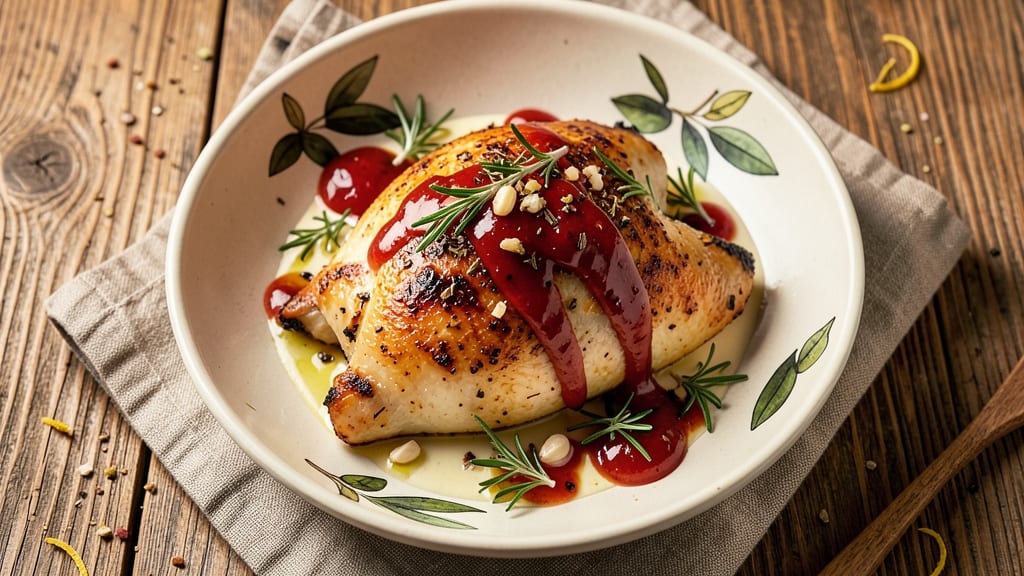
This baked chicken with Italian salad dressing recipe transforms a simple roast into a restaurant-worthy centerpiece with just a few key techniques.
The secret lies in marinating the chicken in a blend of olive oil, garlic, and fresh herbs—then finishing it with a tangy pan sauce made from reduced Italian dressing.
I perfected this method during a particularly busy week when I needed a dish that felt special without requiring hours in the kitchen.
The chicken emerges golden brown and juicy thanks to a high-heat sear followed by a gentle bake, while the Italian dressing transforms into a rich, flavorful sauce that clings to every bite.
What makes this recipe stand out is how the dressing doubles as both a marinade and finishing sauce, creating a cohesive meal where every element complements the other. The result is tender, herb-infused chicken with a crispy exterior and a sauce that's bright yet deeply savory.
This dish comes together in under an hour—ideal for weeknight dinners or meal prep—while still delivering the kind of restaurant-quality harmony you'd expect from a much more elaborate meal.
The Italian dressing isn't just a side; it's the star of the show, tying the entire dish together with its perfect balance of acidity and richness. Serve it with roasted vegetables or a simple salad to let the chicken and its tangy companion truly shine.
Whether you're cooking for a family gathering or treating yourself to a special meal, this recipe delivers foolproof results with minimal effort. The technique is simple, but the flavor impact is anything but ordinary. Let's get started on a dish that proves you don't need complexity to create something extraordinary.
Ingredients for baked chicken with italian salad dressing
High-quality ingredients elevate this herb-infused roast to restaurant-worthy perfection with minimal effort.
| Ingredient | Amount | Notes |
|---|---|---|
| Boneless, Skinless Chicken Breast 🍗 | 1 ½ lb | Pounded to even thickness |
| Extra-Virgin Olive Oil 🫒 | ½ cup | For high-heat searing |
| Italian Salad Dressing 🥗 | 1 cup | High-quality, reduced for sauce |
| Garlic Cloves 🧄 | 6 cloves | Minced for marinade |
| Fresh Rosemary 🌿 | ¼ cup | Chopped finely |
| Fresh Thyme Leaves 🌿 | ¼ cup | Stripped from stems |
| Diamond Crystal Kosher Salt 🧂 | 1 ½ tsp | For seasoning |
| Freshly Ground Black Pepper 🌶️ | 1 tsp | Coarsely ground |
| Unsalted Butter 🧈 | 2 tbsp | For pan sauce |
| Lemon Juice 🍋 | 1 tbsp | Freshly squeezed |
| All-Purpose Flour 🌾 | 1 tbsp | For sauce thickening |
The chicken breast selection is critical—opt for uniformly sized pieces from the meat counter, ideally around 6-8 oz each. Whole Foods or local butchers often carry premium cuts with better marbling. Pounding the breasts to an even thickness ensures consistent cooking. For the Italian dressing, Primal Kitchen or Bolthouse Farms varieties provide the best balance of acidity and richness without artificial additives. Fresh herbs are non-negotiable here; Trader Joe's sells pre-bundled rosemary and thyme at reasonable prices if you're short on time. The olive oil should be extra-virgin with a peppery finish—California Olive Ranch or Bertolli are reliable choices.
No Italian dressing on hand? Substitute with balsamic vinegar and olive oil at a 1:3 ratio, plus a pinch of Dijon mustard for depth. Fresh herbs unavailable? Dried oregano and thyme work at one-third the amount, though texture will differ. For the butter in the pan sauce, European-style unsalted butter like Plugrá melts more cleanly. The lemon juice can be swapped for white wine vinegar in a pinch, though flavor will shift slightly. If your chicken pieces vary in size, consider brining them for 30 minutes in salted water before cooking to ensure even moisture distribution throughout.
Store leftover chicken and sauce separately for up to 3 days in airtight containers. The sauce reheats beautifully—simply warm on the stove with a splash of water or broth to restore its silky texture. Chicken reheats best in a skillet over medium heat with a pat of butter to prevent drying. For meal prep, portion the sauce into ice cube trays and freeze for up to 3 months—perfect for quick weeknight dinners. The herbs can be stored in the fridge wrapped in damp paper towels for 5-7 days, or frozen in olive oil for longer preservation.
Why You'll Love This Recipe
- One-Pan Magic: I swear by this trick—just toss the chicken, dressing, and herbs on a sheet pan, then bake. No pots, no pans, no stress. The dressing pools at the bottom while the chicken roasts, and honestly? Cleanup is just wiping one pan.
- Herb-Infused Crisp: That rosemary and garlic tucked under the chicken skin? It turns golden and fragrant while baking, giving you a crispy exterior with juicy, aromatic meat inside. My husband always asks for seconds before the plate even hits the table.
- Lunchbox Hero: Between us, this is my go-to for meal prep. Slice the baked chicken, pack it with some greens, and you’ve got a lunch that feels fancy but costs pennies. (Yes, even on a Tuesday night.)
- Budget-Friendly Feast: A bottle of Italian dressing and a bunch of rosemary stretch this recipe for four servings easily. I’ve fed my whole family plus a neighbor with one pan—no takeout bills, no regrets. The olive oil and garlic make it taste luxurious, but the price tag? Barely anything.
Step-by-step instructions for herb-infused roast chicken with tangy pan sauce
Transform simple chicken into a restaurant-worthy centerpiece with this aromatic herb technique and bold dressing sauce.
Prepare the Herb Marinade and Pound the Chicken
Begin by finely chopping the 0.25 cup fresh rosemary and 0.25 cup fresh thyme leaves, removing any woody stems. In a small bowl, combine these herbs with the 6 minced garlic cloves, 1.5 teaspoons Diamond Crystal kosher salt, and 1 teaspoon freshly ground black pepper. This aromatic blend will infuse the chicken with deep Mediterranean flavors.
Place the 1.5 lb boneless, skinless chicken breast between two sheets of plastic wrap. Using a meat mallet, pound the chicken to an even ½-inch thickness—this ensures even cooking and prevents dryness. Spread the herb mixture evenly over both sides of the chicken, pressing gently to adhere. Let it marinate at room temperature for 15-20 minutes while you preheat the oven to 400°F. The herbs will release their oils, creating a fragrant crust when baked.
Sear the Chicken for Maximum Flavor
Heat a large oven-safe skillet over medium-high heat and add the 0.5 cup extra-virgin olive oil. Once the oil shimmers (about 1 minute), carefully place the marinated chicken in the skillet. Sear for 3-4 minutes per side until the chicken develops a golden-brown crust and releases easily from the pan. This step locks in juices and builds flavor through the Maillard reaction.
Transfer the skillet to the preheated oven and bake for 18-20 minutes, or until the internal temperature reaches 165°F when measured at the thickest part. The chicken should be opaque throughout with no pink remaining. For best results, avoid opening the oven door during baking—this maintains consistent heat and prevents steam from interfering with the crust.
Create the Tangy Pan Sauce
Remove the chicken from the oven and let it rest on a cutting board for 5 minutes (this crucial step prevents juices from escaping when sliced). While it rests, return the skillet to medium heat and add the 2 tablespoons unsalted butter. Let it melt completely, then stir in the 1 tablespoon all-purpose flour to create a light roux.
Gradually whisk in the 1 cup Italian salad dressing, scraping up any browned bits from the bottom of the pan. Simmer for 3-4 minutes until the sauce thickens slightly. Finish by stirring in the 1 tablespoon lemon juice, which brightens the flavors and balances the richness. The sauce should coat the back of a spoon with a velvety consistency—if it's too thick, add 1-2 tablespoons water to reach your desired texture.
Slice and Serve with the Herb-Dressing Sauce
Using a sharp chef's knife, slice the chicken against the grain into ¼-inch thick portions. Arrange the slices on a warm platter and immediately spoon the tangy pan sauce over the top. The contrast of the herb-infused chicken with the bold dressing creates a harmonious balance of flavors—herbal, savory, and slightly acidic.
For presentation, garnish with additional chopped fresh rosemary and fresh thyme leaves to enhance the visual appeal. Serve immediately with roasted vegetables or a fresh arugula salad to complement the dish's vibrant flavors. The sauce will cling beautifully to the chicken, ensuring every bite delivers maximum flavor.
Pro Tips For Making Baked Chicken With Italian Salad Dressing
- BRINE THE CHICKEN FIRST: Toss your chicken breasts in a mix of 1 cup water, 1 tablespoon Italian dressing, and 1 teaspoon salt for 15 minutes before baking. I learned this the hard way—dry, bland chicken is no one’s idea of a good time, and this keeps them juicy even when baked.
- SMASH THOSE GARLIC CLOVES: Don’t just mince garlic—smash the whole clove with the flat side of your knife first, then chop. This releases more flavor into the olive oil, and since you’re using extra-virgin, you want every bit of that aromatic punch to shine in the dressing and on the chicken.
- BAKE AT 400°F UNTIL 165°F: Skip the guesswork and bake at 400°F until the internal temp hits 165°F—no peeking, or you’ll dry it out. I used to pull it at 160°F, and the chicken always felt underdone. A meat thermometer is your friend here (yes, even if you’re impatient like me).
- USE HALF THE DRESSING TO MARINATE: Save half the Italian dressing to brush on the chicken after it’s baked, not just before. The first coat adds flavor while it cooks, and the second locks in moisture and gives that glossy finish. Sounds weird, but it works—your chicken will taste like it’s been simmered in the stuff.
Essential equipment for this dish
Oven-Safe Skillet
An oven-safe skillet is non-negotiable for this recipe—it’s where the magic happens with the sear and bake combo. I swear by All-Clad Stainless Steel for its even heat distribution and durability, but Lodge Cast Iron is my backup for its natural non-stick properties.
Both handle high heat beautifully and transition seamlessly from stovetop to oven. Avoid non-stick pans here; they can’t withstand the oven’s heat without warping. 🔥
Meat Mallet
Pounding your chicken to an even thickness is key for consistent cooking, and a meat mallet is your best tool for the job. I use a Victorinox 8-inch for its precision and lightweight design—I’ve tried heavier ones, but this one gives me just the right control.
If you don’t have one, a rolling pin or even a heavy pan works in a pinch, but it’ll take more elbow grease. Aim for ½-inch thickness for perfect doneness every time.
High-Quality Thermometer
Never guess when it comes to chicken—internal temperature is everything. A ThermoWorks Smoke or Meater is my go-to for accuracy, but even a basic instant-read thermometer (like the Taylor Precision) will do.
Insert the probe into the thickest part of the breast—it should hit 165°F before you pull it from the oven. Pro tip: Let the chicken rest for 5 minutes after baking to ensure juices redistribute. Without a thermometer, you’re playing Russian roulette with dry chicken. ⏰
Sharp Chef’s Knife
A sharp chef’s knife (I recommend Wüsthof or Shun) makes slicing this herb-infused chicken a breeze—especially when cutting against the grain. A dull knife crushes the fibers, leading to tough bites.
If your knife isn’t up to the task, a serrated knife can help, but it won’t give you the clean slices you’ll get with a properly honed chef’s knife. Keep it sharp, and your presentation (and texture) will thank you. ✨
Whisk for Sauce
The pan sauce is where the Italian dressing transforms into liquid gold, and a balloon whisk is your secret weapon. It emulsifies the sauce smoothly, incorporating butter and flour without lumps.
I prefer a OXO Good Grips for its sturdy build and ergonomic handle—it won’t fatigue your wrist during the 3-4 minutes of whisking. A fork works in a pinch, but you’ll end up with a thicker, less refined sauce. Every swirl counts for that velvety finish. 💫
Nutrition facts
Frequently asked questions
Can I use thighs instead of chicken breast?
Chicken thighs work beautifully here—they stay juicier longer and develop a more flavorful crust. Use 2 bone-in, skin-on thighs (about 1.5 lbs total) and adjust baking time to 35-40 minutes at 400°F, until the internal temperature reaches 175°F. Skip the pounding step since thighs don't need it, but pat them dry first to ensure a crispy skin.
How do I make the Italian dressing sauce thicker?
For a richer, thicker sauce, reduce the dressing first by simmering ½ cup on medium heat for 5 minutes before adding it to the pan. Alternatively, mix 1 tablespoon cornstarch with 1 tablespoon cold water, then stir it into the simmering sauce until it reaches your desired consistency. This works especially well if you prefer a more velvety texture.
What's the best way to reheat leftovers?
Reheat chicken and sauce separately for best results. Place chicken slices in a skillet over medium heat with 1 tablespoon butter for 3-4 minutes per side. For the sauce, warm it gently in a saucepan over low heat, stirring occasionally—never boil or it'll break apart. If the sauce thickens too much, add 1 teaspoon water or chicken broth to restore its silky texture.
Can I use store-bought Italian dressing for the marinade?
Yes, but with a caveat: choose a high-quality dressing with real olive oil as the first ingredient. Avoid brands with "water" listed first. For extra flavor, whisk in 1 teaspoon dried oregano and ½ teaspoon red pepper flakes before using. The dressing will still work, but homemade (with fresh herbs) always delivers deeper flavor.
Why did my chicken turn out dry?
Overcooking is the most common culprit—always use a thermometer and remove chicken at 165°F. Another reason could be uneven thickness (pound to ½-inch consistently) or skipping the 5-minute rest after baking. For extra moisture, marinate the chicken for 30 minutes in the herb mixture before cooking, then tent loosely with foil during the last 10 minutes of baking.