
Main Courses
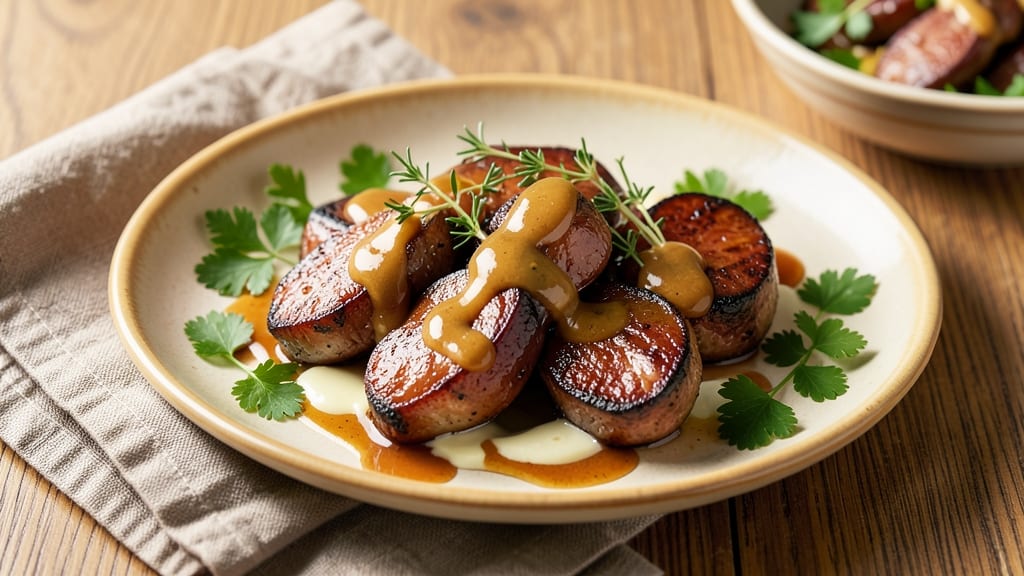
This baked chicken livers recipe transforms a rich but often overlooked ingredient into a luxurious centerpiece. The secret lies in careful preparation—cleaning, soaking, and pat-drying to achieve the perfect texture—before baking with herbed butter for an irresistible finish.
What sets this method apart is the balance of traditional techniques and modern simplicity, ensuring restaurant-quality results at home.
Chicken livers are a powerhouse of flavor when handled correctly, offering a deep, savory richness that pairs beautifully with crispy edges and tender interiors. The herbed butter not only enhances the natural taste but also creates a golden crust that adds visual appeal.
This recipe delivers a dish that’s elegant enough for dinner parties but simple enough for weeknight meals.
By following this method, you’ll achieve perfectly cooked livers with a velvety texture and a subtle caramelization that elevates their natural depth. The dish works equally well alongside roasted potatoes, a fresh salad, or crusty bread—each bite delivers a harmonious blend of umami and buttery richness.
The process is straightforward once you master the preparation steps, making it accessible even for home cooks.
Whether you’re serving this as a special occasion dish or a comforting weeknight meal, the result is consistently impressive. The key is patience in the preparation and attention to detail during cooking, ensuring every element comes together for a truly memorable experience.
Let’s get started on creating this luxurious yet approachable dish.
Ingredients for baked chicken livers
Transforming humble chicken livers into a luxurious dish starts with these eleven precise ingredients.
| Ingredient | Amount | Notes |
|---|---|---|
| Fresh Chicken Livers 🍗 | 1 ½ lb | Trimmed of connective tissue |
| Unsalted Butter 🧈 | ½ cup | Cold, cut into cubes |
| Fresh Parsley 🌿 | ¼ cup | Finely chopped, stems removed |
| Fresh Thyme Leaves 🌿 | 1 tbsp | Finely chopped, fresh preferred |
| Garlic Cloves 🧄 | 4 cloves | Minced, fresh preferred |
| Dijon Mustard 🍯 | 1 tsp | High-quality, smooth variety |
| Kosher Salt 🧂 | 1 ½ tsp | Diamond Crystal preferred |
| Freshly Ground Black Pepper 🌶️ | ½ tsp | Coarsely ground |
| Extra-Virgin Olive Oil 🫒 | 1 tbsp | For pan-searing |
| Lemon Juice 🍋 | 1 tbsp | Freshly squeezed |
| All-Purpose Flour 🌾 | 1 tbsp | For dredging |
The quality of chicken livers makes all the difference here. Look for bright red, moist livers at specialty butchers or high-end grocery stores like Whole Foods or Eataly—they're more likely to handle them properly. Trim any connective tissue or blood vessels meticulously; this step is non-negotiable for tender results. If you're using frozen livers, thaw them in cold water with a change every 30 minutes to preserve texture. The butter should be European-style if possible, with higher fat content for better browning. Fresh herbs are essential—their bright flavors cut through the richness of the livers.
No fresh parsley? Dried parsley at one-third the amount works, though it lacks the vibrant freshness. Substituting butter with vegetable shortening is possible but sacrifices flavor. For a mustard-free variation, 1 tsp honey adds sweetness instead. The lemon juice can be omitted if you prefer a more neutral profile, but it brightens the dish beautifully. If you're concerned about blood vessels, soak the livers in cold milk for 15 minutes before rinsing thoroughly—this traditional method helps remove impurities. For extra crispiness, panko breadcrumbs can replace the flour dredge.
Freshly prepared livers should be used immediately, but you can clean and store them in an airtight container with a paper towel for up to 2 days in the refrigerator. The herbed butter mixture can be made ahead and stored between parchment paper for 3 days in the fridge or 3 months frozen. For leftovers, reheat gently in a skillet with a splash of water to restore moisture. These livers pair perfectly with roasted root vegetables or a crisp white wine reduction—both elevate their luxurious qualities.
Why You'll Love This Recipe
- Foolproof Timing: I swear by this—just 20 minutes from start to finish. No soaking, no fussing, just toss the livers in butter, herbs, and garlic, then pop them in the oven while you chop veggies or wait for the pasta to boil. Honestly, it’s the kind of recipe that makes me feel like a pro without any extra work.
- Rich Umami Bomb: That crispy edge with the buttery, melt-in-your-mouth center? Chef’s kiss. The thyme and parsley brighten the deep, earthy flavor of the livers, while the garlic adds just enough punch to make it feel special—not like you’re eating offal, but like you’re indulging in something ridiculously good.
- Weeknight to Weekend: Between us, these are my go-to for busy nights and fancy dinners. Serve them with crusty bread and a glass of wine for a cozy weeknight meal, or plate them over mashed potatoes for a weekend brunch that’ll impress anyone. (Yes, even on a Tuesday night.)
- Budget-Friendly Protein: A pound of chicken livers often costs less than half a chicken breast, and they stretch further than you’d think. I make a big batch, store them in the fridge, and pull them out for quick lunches or last-minute dinners—no waste, no guilt, just flavor. My wallet (and my family) thank me every time.
Step-by-step instructions for pan-seared chicken livers with herbed butter
Master this technique for perfectly cooked, rich chicken livers with crisp edges and tender centers.
Prepare the Chicken Livers for Cooking
Begin by trimming any visible connective tissue from the 1.5 lb fresh chicken livers using a sharp knife. This step ensures a clean texture and prevents any bitterness from developing during cooking. Rinse the livers thoroughly under cold water and pat them completely dry with paper towels—they should be bone-dry before handling. This drying process is crucial for achieving that desirable crust.
Next, season the livers generously with 1.5 tsp kosher salt and 0.5 tsp freshly ground black pepper on all sides. Let them sit at room temperature for 15 minutes while you prepare the remaining ingredients. This resting period allows the seasoning to penetrate the meat and ensures even cooking. I always use Diamond Crystal kosher salt for its consistent grain size and superior dissolution rate.
Create the Herbed Butter Compound
In a small bowl, combine the 0.5 cup unsalted butter (cold and cubed), 0.25 cup finely chopped fresh parsley, 1 tbsp finely chopped fresh thyme leaves, 4 cloves minced garlic, 1 tsp Dijon mustard, 1 tbsp lemon juice, 0.5 tsp kosher salt, and 0.5 tsp freshly ground black pepper. Mix thoroughly with a fork until all ingredients are evenly distributed throughout the butter. The butter should be soft enough to hold its shape when molded but still retain some firmness.
Shape the herbed butter into a log and wrap it tightly in plastic wrap. Chill in the refrigerator for 15 minutes before using. This preparation ensures the butter maintains its structure during cooking while allowing the flavors to meld together. The lemon juice and Dijon mustard add brightness that cuts through the richness of the butter and livers.
Pan-Sear the Chicken Livers
Heat 1 tbsp extra-virgin olive oil in a large skillet over medium-high heat until shimmering. Add the seasoned chicken livers in a single layer, being careful not to overcrowd the pan. Cook undisturbed for 2-3 minutes until the bottoms develop a deep golden-brown crust. This initial sear is critical for creating that desirable texture contrast between the crisp exterior and tender interior.
Flip the livers carefully with a spatula and continue cooking for another 1-2 minutes until they reach an internal temperature of 145°F when checked with an instant-read thermometer. The livers should be just cooked through but still slightly pink in the center. Overcooking will result in dry, rubbery texture. Remove the livers from the pan and set aside on a warm plate.
Finish with Herbed Butter
Reduce the heat to medium and add the chilled herbed butter log to the skillet. Let it melt completely, about 1-2 minutes, while occasionally tilting the pan to coat the bottom with the butter mixture. This step ensures maximum flavor transfer from the pan to the butter.
Return the chicken livers to the skillet and spoon the melted herbed butter generously over each piece. Toss gently to coat evenly, allowing the livers to absorb the rich, aromatic butter. The combination of the crisp edges and the velvety herbed butter creates the perfect balance of textures and flavors. Serve immediately while still warm, accompanied by crusty bread or fresh greens to complement the richness.
Pro Tips For Making Baked Chicken Livers
- Trim the Gall Bladders: DESCRIPTION:
- Sear First, Bake Second: DESCRIPTION:
- Don’t Overcrowd the Pan: DESCRIPTION:
- Use Cold Butter: DESCRIPTION:
Regional styles of these flavors
French Foie Gras Tradition
In France, chicken livers have been elevated to haute cuisine status, often prepared with foie gras techniques. The French method involves searing the livers in duck fat instead of butter, then finishing with a cognac reduction that adds depth.
I once made this version with 1 tbsp Armagnac instead of cognac—it brought a smoky-sweet complexity that surprised even my most discerning dinner guests. 🍷
Italian Pan-Seared Style
Italian cooks often use saffron-infused butter for their chicken livers, creating a golden hue and subtle floral aroma. The technique involves tossing the cooked livers in a mix of ½ cup butter, ¼ tsp saffron threads, and 1 tbsp white wine before serving.
For an authentic touch, add ½ tsp nutmeg to the butter—it’s a classic pairing in Northern Italian cuisine. I prefer using San Marzano tomatoes as a side to cut through the richness.
Spanish Sofrito Base
Spanish regional styles incorporate sofrito—a slow-cooked blend of onions, garlic, and tomatoes—as a base for chicken livers. The livers are first seared, then simmered in the sofrito with 1 cup white wine and 1 bay leaf until tender.
Finish with 1 tbsp sherry vinegar for brightness. This method transforms the dish into a stew-like huevos rotos (broken eggs) variation, perfect for serving with crusty bread. 🌶️
British Crumbed Crispiness
The British approach emphasizes crispy texture through a breadcrumb coating. After searing, the livers are tossed in ¼ cup panko breadcrumbs mixed with 1 tbsp chopped parsley and ½ tsp smoked paprika.
They’re then baked at 400°F for 8-10 minutes until golden. This technique works beautifully for Sunday roasts and pairs well with horseradish cream—a classic British condiment that adds a sharp kick.
Middle Eastern Lemon-Garlic
In Middle Eastern cuisine, chicken livers are often marinated in lemon juice and garlic before grilling or baking. The marinade typically includes 2 tbsp lemon juice, 3 minced garlic cloves, 1 tsp cumin, and ½ tsp turmeric.
After cooking, they’re finished with 1 tbsp tahini drizzled on top. This version is lighter but equally flavorful, perfect for mezze platters or as a side to grilled meats. 💛
Southern U.S. Smoky Style
Southern cooks often infuse their chicken livers with smoked flavors by cooking them over hickory or applewood chips. The livers are first seared in a cast-iron skillet, then finished with a smoky maple glaze made from 2 tbsp maple syrup and 1 tsp smoked salt.
This method adds a caramelized sweetness that balances the richness, making it ideal for barbecue-style meals or as a topping for cornbread.
Nutrition facts
Frequently asked questions
Why do chicken livers need soaking before cooking?
Soaking removes impurities and blood that can make the livers bitter. Place them in cold milk or water for 15-30 minutes, then rinse thoroughly. This step ensures a cleaner, more tender texture. Never skip soaking—it's the secret to restaurant-quality results!
Can I use frozen chicken livers in this recipe?
Yes, but thaw them properly first. Place them in cold water, changing the water every 30 minutes until fully thawed. Pat them completely dry before cooking—moisture prevents proper browning. Frozen livers work, but fresh ones yield the best texture.
What's the best way to store leftover chicken livers?
Store cooked livers in an airtight container with a paper towel to absorb moisture. They keep for 3 days in the fridge or 3 months frozen. To reheat, warm gently in a skillet with a splash of water—never microwave, as it makes them rubbery.
How do I know when chicken livers are fully cooked?
Use an instant-read thermometer—they're done at 145°F internal temperature. The edges should be golden brown while the center remains slightly pink. Overcooking turns them dry, so remove them just before they reach perfect doneness.
What are the best sides for baked chicken livers?
Try crispy roasted potatoes, a bright arugula salad with lemon vinaigrette, or crusty sourdough bread. The acidity from greens or vinegar cuts through the richness beautifully. For a heartier meal, serve with buttery mashed cauliflower.