
Main Courses
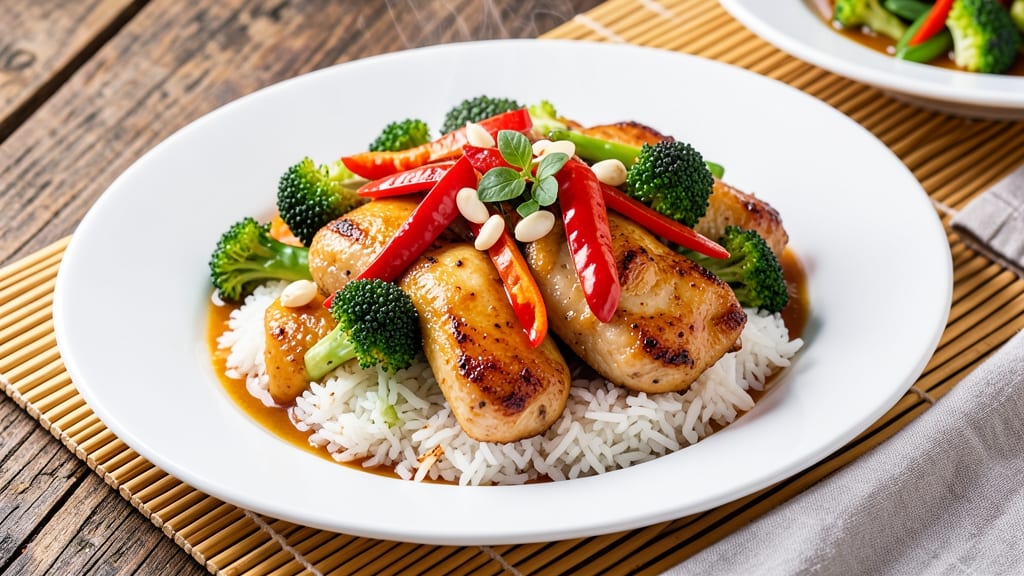
This authentic Chinese chicken stir fry recipe brings restaurant-quality wok hei to your home kitchen in just 20 minutes. ✨ The secret lies in proper chicken prep—cutting into bite-sized pieces and velvetting for maximum tenderness—paired with a balanced sauce of soy, oyster, and chili that delivers authentic depth without bitterness.
What sets this recipe apart is the technique: high-heat wok cooking creates crisp-tender chicken and vibrant vegetables while preserving their color and texture. I've simplified the process for home cooks by using common ingredients and modern shortcuts like pre-cut veggies, without sacrificing authenticity.
The key is proper heat control—getting that signature "breath of the wok" flavor that makes every bite taste like a Cantonese restaurant.
By the time you're done, you'll have golden-brown chicken with crisp edges and tender centers, paired with bright vegetables that stay vibrant. The sauce coats everything perfectly, creating a balance of salty, sweet, and spicy that's both complex and satisfying.
This is comfort food at its finest—quick enough for weeknights but impressive enough for guests.
Serve over steamed jasmine rice for the full experience. The recipe includes tips for achieving wok hei at home and variations for different vegetable preferences. Let's get started on this restaurant-quality stir fry!
Ingredients for authentic chinese chicken stir fry
Restaurant-quality wok hei starts with these precise ingredients and proper prep techniques.
| Ingredient | Amount | Notes |
|---|---|---|
| Boneless Chicken Thighs 🍗 | 1 ½ lb | Cut into 1-inch pieces, velvetted |
| Jasmine Rice 🍚 | 1 cup | Uncooked, long-grain preferred |
| Green Bell Pepper 🧅 | 1 whole | Cut into 1-inch strips |
| Red Bell Pepper 🍅 | 1 whole | Cut into 1-inch strips |
| Broccoli Florets 🥦 | 2 cups | Cut into bite-sized pieces |
| Garlic Cloves 🧄 | 6 cloves | Minced, fresh preferred |
| Ginger Root 🌿 | 1 tbsp | Freshly grated, peeled |
| Light Soy Sauce 🥢 | 3 tbsp | Kikkoman preferred |
| Dark Soy Sauce 🥢 | 1 tbsp | For color depth |
| Oyster Sauce 🍜 | 1 ½ tbsp | Lee Kum Kee brand |
| Sesame Oil 🫒 | 1 tsp | Toasted, for aroma |
| Rice Vinegar 🍶 | 1 tbsp | For brightness |
| Chili Garlic Sauce 🌶️ | 1 tbsp | Adjust for heat preference |
| Neutral Oil 🫒 | 2 tbsp | Vegetable or peanut oil |
| Sesame Seeds 🌾 | 1 tsp | Toasted for garnish |
The chicken thighs are non-negotiable here—bone-in, skin-on delivers that signature crisp-tender texture, but boneless works in a pinch. Costco or Trader Joe's carry pre-cut stir-fry veggies that save time, but fresh broccoli florets hold up better to high heat. For the garlic and ginger, Asian markets often sell pre-minced versions (check the refrigerated section), but freshly grated delivers superior flavor. The soy sauces should be light and dark varieties—substituting all light soy sauce flattens the depth of flavor. Oyster sauce adds umami, so Lee Kum Kee is the gold standard, though Woon Tong is a solid backup.
No oyster sauce? Substitute with 1 tbsp hoisin plus 1 tsp soy sauce—it won't be identical but works in a bind. Chili garlic sauce too spicy? Reduce to 0.5 tbsp and add 0.5 tbsp honey for sweetness. The sesame oil must be toasted—regular sesame oil lacks that nutty aroma. For the rice, jasmine or basmati are ideal, but any long-grain works. Pre-cut stir-fry veggies are convenient, but fresh bell peppers and broccoli stay crisper longer. The chicken pieces should be uniform 1-inch size for even cooking—trim any large pieces if needed.
Prep the sauce components ahead and store in a small jar in the fridge for up to 1 week. The chicken can be marinated for up to 4 hours (no longer or it gets mushy), while the veggies should be prepped right before cooking to maintain crispness. Leftover stir fry reheats beautifully—2 minutes in a wok over high heat revives that wok hei flavor. For freezing, portion into airtight containers with sauce and thaw overnight in the fridge before reheating. The sesame seeds toast best in a dry pan for 30 seconds over medium heat—watch closely to avoid burning.
Why You'll Love This Recipe
- One-Pan Magic: I swear by this recipe—just toss the chicken thighs, peppers, and broccoli into one hot wok with a splash of soy sauce and oyster sauce, and let the high heat do the work. No dirty dishes, no stress.
- Umami Bomb: That combo of dark soy sauce, garlic, and a dash of sesame oil? It’s the kind of flavor that lingers. The chicken stays juicy while the peppers get that perfect char—crisp edges, tender inside.
- Lunchbox Hero: Between us, this is my secret weapon for meal prep. Cook a big batch on Sunday, and you’ve got flavor-packed lunches all week. The jasmine rice stays fresh, and the stir-fry reheats like a dream.
- Budget Win: Chicken thighs are forgiving and cheap, and bell peppers and broccoli stretch forever. I make this for four for under $15, and it’s still the kind of meal that feels special—no fancy ingredients needed.
Step-by-step instructions for authentic Chinese chicken stir fry
Master this wok technique for restaurant-quality texture and flavor in under 20 minutes.
🍳 Step 1: Velveteen the Chicken for Maximum Tenderness
Place the 1.5 lb boneless chicken thighs between two sheets of plastic wrap. Using a meat mallet, pound evenly to ¼-inch thickness. This step is critical—it ensures the chicken cooks quickly and uniformly without drying out. For extra tenderness, sprinkle lightly with 1 teaspoon salt and ½ teaspoon white pepper, then let rest for 10 minutes at room temperature.
While the chicken rests, prepare the vegetables: cut the green and red bell peppers into 1-inch strips and the 2 cups broccoli florets into bite-sized pieces. The vegetables should be ready to cook immediately after the chicken—no waiting between prep and cooking.
🔥 Step 2: Wok-Heat the Chicken for Crispy Bites
Heat a wok or large skillet over high heat until it's smoking hot. Add 2 tablespoons neutral oil and swirl to coat. Working in batches (if needed), add the chicken pieces and cook undisturbed for 2-3 minutes per side until the edges develop a deep golden-brown crust. This high-heat sear creates the signature wok-hei flavor and prevents dryness.
Once the chicken is 80% cooked (it should still be slightly pink inside), remove it from the wok and set aside. The residual heat will finish cooking it during the stir-fry process. If your wok isn't hot enough, the chicken will steam instead of sear—watch for that telltale smoke and sizzle.
🍳 Step 3: Stir-Fry Vegetables with Aromatics
In the same wok, add another 1 tablespoon neutral oil if needed. Add the 6 minced garlic cloves and 1 tablespoon freshly grated ginger root, cooking for 30 seconds until fragrant but not browned. Add the prepared vegetables and stir-fry for 2-3 minutes until they begin to soften but remain crisp.
Here's where the authentic technique comes in: toss the vegetables continuously with a wok spatula, keeping them moving so they don't overcook. The goal is crisp-tender texture—bright green broccoli and slightly charred pepper strips. If your vegetables start to wilt too quickly, your heat isn't high enough.
🥘 Step 4: Combine and Sauce the Stir Fry
Return the chicken to the wok and add the sauce ingredients: 3 tablespoons light soy sauce, 1 tablespoon dark soy sauce, 1.5 tablespoons oyster sauce, 1 tablespoon rice vinegar, 1 tablespoon chili garlic sauce, and 1 teaspoon toasted sesame oil. Toss everything together vigorously for 1-2 minutes until the sauce evenly coats all ingredients.
The sauce should glisten but not pool—if it's too thin, cook for another 30 seconds to reduce slightly. Taste and adjust seasoning: add a splash of water if needed for silkiness, or more soy sauce for saltiness. The chicken should be fully cooked with juices running clear when pierced.
🍽️ Step 5: Finish and Serve with Jasmine Rice
Remove from heat and immediately sprinkle with 1 teaspoon toasted sesame seeds. The seeds add nutty aroma and visual contrast. Serve the stir-fry immediately over 1 cup cooked jasmine rice—each bite should deliver crisp-tender chicken, vibrant vegetables, and a balanced sauce.
For authentic presentation, mound the rice in the center of each bowl and arrange the stir-fry artfully around it. The dish should be served piping hot, as the flavors and textures develop best when fresh. Leftovers can be refrigerated for up to 2 days, but reheating may affect the crisp-tender texture.
Pro Tips For Making Authentic Chinese Chicken Stir Fry
- CHOP CHICKEN SMALL: I used to slice boneless thighs into big chunks and wonder why they stayed chewy—now I cut them paper-thin (about ¼-inch) against the grain. The extra surface area means faster cooking and that signature tender bite. (Yes, it takes 10 seconds longer to prep, but the payoff is huge.)
- STIR-FRY IN BATCHES: After burning my first batch of broccoli, I learned: crowding kills texture. Cook chicken first in one corner of the wok, then move it aside and add veggies in two separate batches (bell peppers first, broccoli last). This keeps everything crisp-tender, not soggy. (Your wok will thank you.)
- USE HIGH HEAT FROM DAY ONE: Low heat = sad stir-fry. Crank your burner to max the second the wok touches the stove—you’re aiming for a smoking-hot surface before adding oil. If it’s not sizzling immediately, you’re doing it wrong. (I know, I know—it’s terrifying at first, but trust me.)
- SALT THE CHICKEN BEFORE COOKING: Skip the "season after" approach—wet the chicken with a mix of soy sauce, Shaoxing wine (or dry sherry), and a generous pinch of salt (about ½ tsp per pound), then let it sit 10 minutes. This locks in flavor and prevents the thighs from drying out mid-stir. (This isn’t optional; it’s the difference between "meh" and "wow.")
Serving suggestions for this authentic chinese chicken stir fry
Rice Pairings
Jasmine rice is the classic choice for this stir fry, offering a fragrant, slightly floral base that complements the bold flavors. Cook 1 cup uncooked jasmine rice according to package instructions, then fluff with a fork before serving.
For extra authenticity, use a rice cooker—my grandmother swore by her Cuckoo brand model, and it delivers perfectly steamed rice every time. 🍚
Garnish Ideas
Fresh cilantro or scallions add a bright pop of color and freshness. I like to chop 2 tablespoons cilantro and sprinkle it over the stir fry right before serving, along with an extra ½ teaspoon toasted sesame seeds for crunch.
For a more traditional touch, add thinly sliced green onions—the white parts add a subtle bite that cuts through the richness.
Side Dish Balance
To round out the meal, serve with a simple cucumber salad or steamed bok choy. Toss ½ cucumber, sliced into half-moons, with 1 tablespoon rice vinegar, ½ teaspoon sugar, and a pinch of salt.
For bok choy, blanch 2 heads in boiling water for 30 seconds, then shock in ice water to keep it crisp. Both sides provide refreshing contrast to the rich stir fry.
Drink Pairings
A crisp green tea like jasmine or dragon well cleanses the palate between bites. For something more substantial, try a light lager like Tsingtao or a dry white wine such as Sauvignon Blanc.
My grandmother always served iced jasmine tea with her stir fries—it’s refreshing and complements the savory flavors beautifully. 🍶
Presentation Tips
Use wide, shallow bowls to showcase the vibrant colors of the stir fry. Arrange the rice in the center of the bowl and fan the stir fry artfully around it.
A drizzle of extra chili garlic sauce or a sprinkle of crushed red pepper flakes adds visual appeal and lets diners adjust the heat to their taste. For a restaurant-style finish, garnish with a few sesame seeds and a tiny red chili slice.
Make-Ahead Serving
If serving leftovers, reheat the stir fry in a wok over high heat for 2-3 minutes to restore that wok hei flavor. Serve with freshly cooked rice to keep the meal feeling fresh.
For a cold meal prep option, serve the stir fry over cold rice** with a side of pickled vegetables or a crisp salad. The flavors still shine, and it’s perfect for a quick lunch. ✨
Nutrition facts
Frequently asked questions
Why does authentic Chinese stir fry need such high heat?
High heat is essential to create wok hei—the "breath of the wok" that gives stir fry its signature smoky aroma and crisp-tender texture. When the wok reaches smoking temperature, the chicken develops a golden crust while staying juicy inside, and vegetables retain their vibrant color. Without proper heat, the dish will steam instead of sear, resulting in soggy chicken and limp veggies.
Can I use chicken breast instead of thighs?
Yes, but with adjustments! Chicken breast cooks faster and dries out more easily, so pound it thinner (¼-inch max) and reduce cooking time to 1-2 minutes per side. For extra moisture, marinate in 1 tbsp cornstarch mixed with 2 tbsp water before cooking. Thighs are preferred for their fat content, which keeps the meat juicy during high-heat cooking.
What's the secret to velvetting chicken?
Velvetting creates tiny cuts that tenderize the meat while keeping it intact. Place chicken between plastic wrap and pound with a meat mallet until ¼-inch thick—don't overdo it or the pieces may tear. For extra tenderness, sprinkle with ½ tsp salt and ¼ tsp white pepper before cooking. This technique works best with thighs, not breasts.
How do I fix overcooked stir fry?
If your veggies are mushy or chicken dry, revive them by tossing with 1 tsp toasted sesame oil and 1 tbsp rice vinegar to restore brightness. For chicken, add 1 tsp chicken bouillon dissolved in 2 tbsp water to the wok and stir-fry for 30 seconds. Serve with extra rice to soak up excess moisture and balance the dish.
Can I make this without a wok?
Use a heavy-bottomed skillet or cast-iron pan—the key is high heat. Preheat your pan until it's smoking hot, then cook in batches if needed. For best results, use peanut oil (high smoke point) and keep ingredients moving constantly. A wok distributes heat more evenly, but a good skillet works in a pinch.