
Main Courses
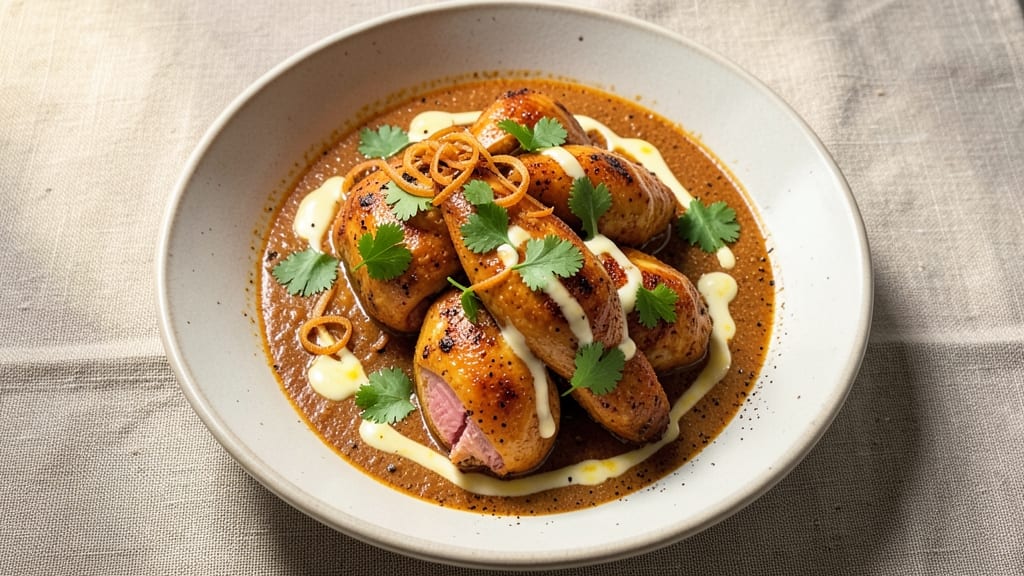
This authentic Chicken Tikka Masala recipe with coconut milk delivers the restaurant-quality creamy spice bomb you've been craving—no shortcuts, just traditional techniques elevated by modern twists.
After years of testing (and a few burned batches), I've perfected the balance between smoky char, tender chicken, and that velvety coconut-tomato sauce that clings to every bite. The secret? Two-step marinating and a slow-cooked sauce that develops deep, complex flavors without being overwhelming.
The recipe starts with chicken thighs marinated twice—first in yogurt and spices to tenderize, then in a garam masala blend that ensures bold, aromatic flavor penetration.
While the chicken grills or bakes, the sauce simmers with coconut milk, tomatoes, and a blend of whole spices that create layers of warmth and brightness. This isn't your basic takeout version; it's the kind of dish that makes your kitchen smell like a Mumbai street corner restaurant.
What you'll end up with is tender, charred chicken that practically falls apart when you look at it, swimming in a sauce that's perfectly balanced—creamy from the coconut milk, tangy from the tomatoes, and just spicy enough to linger on your palate.
The sauce thickens beautifully without separating, and the spices bloom to create that signature aromatic depth that defines authentic tikka masala. This is comfort food at its finest, the kind that disappears faster than you can say "more wine, please."
Serve it with basmati rice, warm naan, or even over roasted potatoes for a heartier meal. The leftovers actually taste better the next day as the flavors meld even more. Let's get cooking—your taste buds are about to go on a journey.
Ingredients for authentic chicken tikka masala recipe with coconut milk
Creamy coconut milk, aromatic spices, and tender chicken—this is your shortcut to restaurant-quality tikka masala.
| Ingredient | Amount | Notes |
|---|---|---|
| Chicken Thighs 🍗 | 1 ½ lb | Bone-in, skin-on preferred |
| Plain Yogurt 🥛 | 1 cup | Full-fat for creaminess |
| Greek Yogurt 🥛 | ½ cup | For extra tanginess |
| Garam Masala 🌶️ | 2 tbsp | Homemade or store-bought blend |
| Ground Cumin 🌿 | 1 tbsp | Toasted for deeper flavor |
| Ginger Root 🧄 | 2 tbsp | Freshly grated, peeled |
| Garlic Cloves 🧄 | 6 cloves | Peeled, roughly chopped |
| Red Onion 🧅 | 1 medium | Finely chopped |
| Canned Crushed Tomatoes 🍅 | 1 can | 28 oz, San Marzano preferred |
| Coconut Milk 🥥 | 1 can | Full-fat, 13.5 oz can |
| Tomato Paste 🍅 | 2 tbsp | Squeeze tube works fine |
| Fresh Cilantro 🌿 | ¼ cup | Chopped, for garnish |
| Lemon Juice 🍋 | 1 tbsp | Freshly squeezed |
| Salt 🧂 | 1 ½ tsp | Kosher or sea salt |
| Black Pepper 🌶️ | ½ tsp | Freshly ground preferred |
The chicken thighs are non-negotiable here—bone-in, skin-on for that smoky char and juicy texture. Trader Joe's and Costco carry great cuts, but any grocery store will have them. Look for thighs with good marbling—those little fat streaks mean juicier meat. I always buy extra because they disappear fast. The yogurt blend (plain plus Greek) adds that signature tanginess—full-fat is key for the right mouthfeel. Skip the low-fat version, trust me on this.
No garam masala? Mix 1 tsp each of coriander, cumin, turmeric, and cardamom—it's not identical, but it'll get you close. Fresh ginger and garlic are ideal, but jarred minced ginger works in a pinch. For the tomatoes, San Marzano cans are worth the splurge—they're sweeter and less acidic. Coconut milk? Full-fat only—the lighter versions won't give you that velvety texture. And if you're short on cilantro, parsley works too—just double the amount.
Marinated chicken keeps 2 days in the fridge—make it ahead for less work. The sauce reheats beautifully, so double the batch and freeze portions. One week in the fridge, 3 months frozen. I always make extra because it's perfect for lunches or naan dipping. Store cilantro in a damp paper towel—it stays fresh longer. The spices? Keep them in a cool, dark place and they'll last 6 months.
Why You'll Love This Recipe
- No-Yogurt-Yogurt Mess: I swear by this trick—mixing plain and Greek yogurt gives the marinade that perfect balance of tang and creaminess without turning into a soupy disaster. The Greek yogurt keeps it thick enough to cling to the chicken, while the plain yogurt softens the garam masala into something magical. Honestly, I’ve ruined far too many marinades trying to skip this combo.
- Coconut Cream Dream: That first spoonful of coconut milk in the sauce? It’s like a warm hug for your taste buds. The richness cuts through the spice beautifully, and the way it thickens when simmered—no heavy cream needed—makes it feel indulgent without the guilt. Plus, the garam masala blooms in it like it’s been simmering all day.
- Weeknight to Party Upgrade: Same ingredients, totally different vibes. Toss it together for a lazy Tuesday with naan and store-bought raita, or dress it up with fresh cilantro, toasted cashews, and basmati rice for guests. The chicken thighs stay juicy no matter what, so you’re always covered.
- Leftovers That Don’t Suck: Between us, most curry leftovers turn into sad, watery sludge. Not this one. The coconut milk keeps it velvety, and the yogurt marinade means the chicken stays tender. I’ve reheated portions for three days straight—even my picky teenager asks for seconds. Budget win, flavor win.
Step-by-step instructions for authentic chicken tikka masala with coconut milk
Here's how to create that restaurant-quality creamy spice profile—layer by layer.
Marinate the Chicken for Maximum Flavor
In a large bowl, combine the 1 cup plain yogurt, 0.5 cup Greek yogurt, 2 tbsp garam masala, 1 tbsp ground cumin, 2 tbsp freshly grated ginger root, 6 peeled garlic cloves (roughly chopped), 1.5 tsp salt, and 0.5 tsp black pepper. Mix until smooth—this marinade is the flavor foundation.
Add the 1.5 lb chicken thighs and coat thoroughly, ensuring the marinade penetrates every surface. Cover and refrigerate for at least 4 hours (overnight works best). The acid in the yogurt tenderizes the chicken while the spices infuse deeply. Don't skip this step—it's what makes homemade tikka masala taste authentic.
Cook the Marinated Chicken Until Golden
Heat a large skillet over medium-high heat and add the marinated chicken thighs. Cook for 6-8 minutes per side until they develop a deep golden-brown crust and internal temperature reaches 165°F. You'll see the marinade caramelize slightly—that's your signal they're ready.
Remove the chicken and set aside. The residual heat will finish cooking them through while you build the sauce. If the pan gets too dry, add 1-2 tablespoons of water to deglaze and collect those flavorful browned bits from the bottom.
Build the Spiced Tomato Base
In the same skillet, add the 1 medium finely chopped red onion and cook for 3-4 minutes until softened. Stir in the 2 tbsp tomato paste and cook for another 1 minute until it darkens slightly—this deepens the flavor.
Pour in the 1 can crushed tomatoes and bring to a gentle simmer. Add 1 tbsp lemon juice and let it cook uncovered for 10 minutes until the mixture thickens slightly. This step develops the sauce's rich, tangy backbone—don't rush it, or the flavors won't meld properly.
Create the Creamy Coconut Milk Sauce
Reduce heat to medium-low and stir in the 1 can coconut milk and remaining marinade from the chicken. The sauce should immediately start to thicken as it simmers. Let it cook for 8-10 minutes until it reaches a velvety consistency—you want it thick enough to coat the back of a spoon.
Taste and adjust seasoning with additional salt or black pepper if needed. The sauce should balance sweet, spicy, and tangy notes. Here's where the magic happens—the coconut milk adds creaminess while the spices create that signature tikka masala depth.
Finish and Serve
Return the cooked chicken to the skillet and spoon the sauce over them. Let it simmer together for 5 minutes to absorb all those delicious flavors. The chicken should be fully coated in that luscious spiced sauce.
Garnish with 0.25 cup chopped fresh cilantro and serve immediately with basmati rice or naan bread. The sauce will thicken slightly as it cools, so don't worry if it looks a bit loose when you plate it. Each bite should deliver tender chicken, complex spices, and that signature creamy coconut richness that makes this dish so addictive.
Pro Tips For Making Authentic Chicken Tikka Masala Recipe With Coconut Milk
- Marinate Overnight, Not Hours: I learned this the hard way—rushing the yogurt marinade leaves the chicken bland and dry. Use full-fat plain yogurt (not Greek, which is too thick) and let it sit at least 8 hours, preferably overnight. The acid tenderizes the meat while the spices penetrate deep, and the coconut milk later won’t overpower the flavor.
- Brown the Chicken First: Skip the "quick sear" myth—this isn’t stir-fry. Pat the thighs bone-dry, then cook them skin-side down in a hot pan for 6-8 minutes until deeply golden. That crust locks in moisture when they later simmer in the coconut sauce, and it adds a smoky depth the yogurt marinade can’t match.
- Bloom Spices in Oil: After removing the chicken, turn the heat to medium-low and add 1 tablespoon neutral oil (like vegetable or ghee). Toss in your whole spices (cumin, cardamom, etc.) and let them sizzle for 30 seconds—not burn—before adding garlic or ginger. This wakes up the garam masala and builds flavor that just stirring dry spices into the sauce won’t deliver.
- Strain the Coconut Milk: Yes, even if it’s "full-fat." The thick, creamy layer at the top of store-bought cans is where the real richness hides. Pour the milk into a bowl, scoop out the top 1/4 cup, and whisk it back into the rest before adding it to the sauce. The texture will be velvety, not watery, and the dish will taste like it simmered for hours—not 30 minutes.
Storing and reheating your authentic chicken tikka masala recipe with coconut milk
Fridge Storage Tips
Let your tikka masala cool completely before storing—about 30 minutes—then transfer to an airtight container. The sauce and chicken keep beautifully for 4-5 days in the fridge, with flavors actually deepening overnight.
I use glass containers because they don't absorb odors like plastic. Store the sauce separately if you prefer it thicker when reheating—it'll separate slightly but comes back together beautifully. 🥫
Freezer Magic
For longer storage, freeze portions in quart-sized freezer bags with 1 inch headspace—this prevents ice crystals from breaking the sauce. The chicken and sauce freeze for 3 months without losing texture. When ready to eat, thaw overnight in the fridge.
Pro tip: Freeze sauce separately if you want to reheat just the chicken for a quick meal. I always label bags with dates because, let's be honest, we all have that "mystery container" in the back. ❄️
Stovetop Reheating
This is my preferred method because it restores that perfect velvety texture. Heat the sauce and chicken together over medium-low heat for 10-12 minutes, stirring occasionally. If it looks too thick, add 1-2 tablespoons of water or coconut milk to loosen it up.
The chicken will absorb the sauce beautifully, and you'll barely notice it was frozen. Taste and adjust seasoning—frozen food often needs a pinch more salt. 🔥
Microwave Shortcut
For quick lunches, microwave covered portions for 2-3 minutes on 50% power, then stir and continue in 30-second intervals until heated through. Add a splash of water if the sauce separates.
This method works best for the sauce alone—reheat chicken separately to avoid drying it out. I use microwave-safe glass containers because they're safer than plastic for reheating spicy foods. 💡
Sauce Thickening Hack
If your reheated sauce is too thin, simmer it uncovered for 3-5 minutes—the moisture will evaporate and restore that perfect consistency. For extra richness, stir in 1 teaspoon of butter or cream cheese at the end.
The coconut milk gives this sauce natural thickness, but a quick reduction on the stove works wonders. This trick saves leftovers from becoming too watery. 💪
Garnish Refresh
Always finish with fresh cilantro and a squeeze of lemon juice when reheating—this brightens up the flavors and makes it taste fresh again. I also add a pinch of salt because reheated food often needs it.
For extra pizzazz, sprinkle with toasted cumin seeds or a dash of hot paprika. Presentation matters, even for leftovers! ✨
Nutrition facts
Frequently asked questions
Why does this recipe use coconut milk instead of heavy cream?
Coconut milk adds a lighter, more aromatic richness that balances the spices beautifully while keeping the sauce from becoming overly heavy. Traditional tikka masala often uses cream, but coconut milk creates a more complex flavor profile with its subtle sweetness and natural thickness. Plus, it's dairy-free and works perfectly with the yogurt marinade.
Can I use chicken breasts instead of thighs?
You can try, but thighs are ideal because they stay juicier and absorb more flavor. Chicken breasts can dry out during the long marinating and cooking process. If you must use breasts, marinate them for no more than 8 hours and cook them for 5-6 minutes per side to avoid overcooking.
How do I adjust the spice level?
Start with the recipe as written, then taste the sauce before serving. For more heat, add ½-1 teaspoon of cayenne pepper or 1-2 fresh red chili peppers (seeds removed for less heat). For milder flavor, reduce the garam masala by ½ teaspoon or add 1 extra tablespoon of coconut milk to balance the spices.
What's the best way to make this dish vegetarian?
Replace the chicken with extra-firm tofu or chickpeas. For tofu, press it first to remove excess water, then marinate and cook it with the chicken. For chickpeas, simmer them in the sauce for 15-20 minutes until tender. The sauce will still be delicious—just add 1 extra tablespoon of tomato paste to thicken it slightly.
Can I make this in a slow cooker?
Brown the chicken first, then transfer everything (including the marinade) to the slow cooker. Cook on low for 4-5 hours or high for 2-3 hours. The sauce will thicken naturally, and the chicken will be fall-apart tender. Just add 1 extra tablespoon of coconut milk if it gets too thick.