
Sauces & Condiments
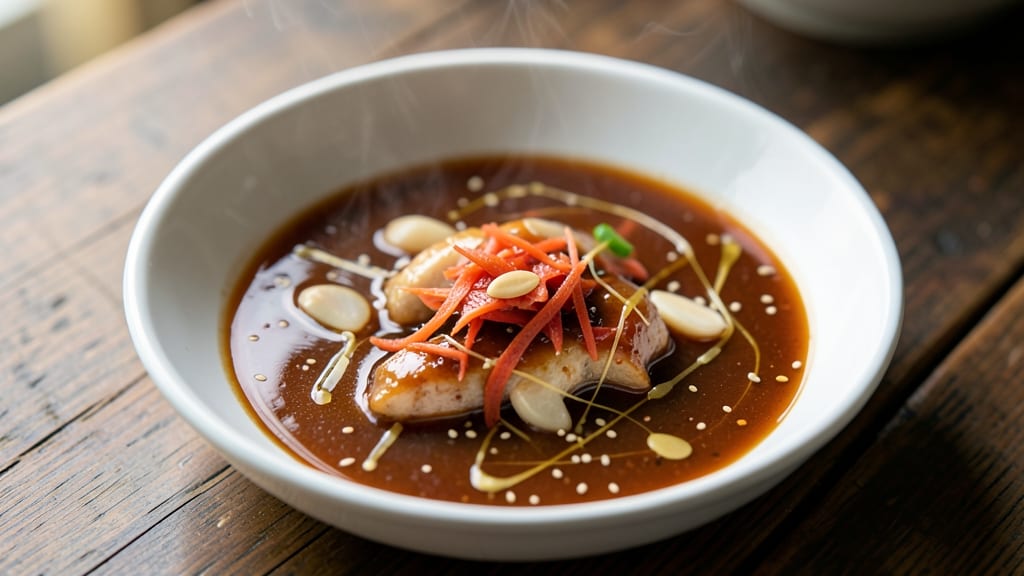
This Asian chicken wing sauce recipe delivers the perfect balance of sticky sweetness, bold umami, and lingering spice—transforming ordinary wings into a restaurant-worthy dish. The secret lies in a precise blend of soy sauce, honey, garlic, and ginger, simmered until rich and glossy.
I developed this sauce after years of testing, ensuring it coats wings perfectly without overpowering their natural flavor.
What sets this sauce apart is its versatility—it works equally well on crispy fried wings, grilled chicken, or even as a dipping sauce for dumplings. The sauce thickens naturally as it reduces, creating that signature glossy finish while maintaining a perfect balance of heat and sweetness.
No thickeners needed; the ingredients do all the work.
By the time you're done, you'll have a deeply aromatic, savory-sweet glaze that clings to every bite, enhancing the texture of the wings while adding layers of complex flavor. The sauce keeps well in the fridge for up to two weeks, making it perfect for meal prep or entertaining.
Store it in an airtight container to preserve its vibrant color and rich taste.
Pair this sauce with classic buffalo wings, Asian-style fried chicken, or even as a marinade for skewers. The possibilities are endless, and the results are always impressive. Let's get started on creating this foolproof, umami-packed sauce that will elevate your next meal.
Ingredients for asian chicken wing sauce
Nine ingredients transform into a restaurant-quality sauce that clings perfectly to wings.
| Ingredient | Amount | Notes |
|---|---|---|
| Kosher Soy Sauce 🍶 | ½ cup | High-quality, full-bodied preferred |
| Honey 🍯 | ⅓ cup | Wildflower or clover variety |
| Fresh Ginger 🌿 | 2 tbsp | Finely grated, aromatic |
| Garlic Cloves 🧄 | 6 cloves | Minced, fresh preferred |
| Sesame Oil 🫒 | 1 tbsp | Toasted, for nutty depth |
| Rice Vinegar 🍶 | 2 tbsp | White or seasoned |
| Sriracha 🌶️ | 1 tbsp | Adjust for preferred heat |
| Cornstarch 🌾 | 1 tbsp | For natural thickening |
| Water 💧 | 2 tbsp | Room temperature |
| Sesame Seeds 🌱 | 1 tbsp | Toasted, for garnish |
The soy sauce is the umami backbone—Kikkoman or La Choy deliver consistent quality, but any high-sodium variety works. Fresh ginger and garlic need to be vibrant; bruised or old ginger loses its zing. For the honey, Manuka or wildflower adds subtle floral notes that elevate the sauce. Toasted sesame oil (not the light kind) brings that nutty aroma—Trader Joe's has a great budget option. The cornstarch slurry (mixed with water) is non-negotiable for that signature glossy finish without gummy texture.
No honey? Maple syrup or agave work in a pinch, though honey's floral depth is irreplaceable. Sriracha substitutes: sub 1 tsp cayenne + 1 tsp sugar for similar heat. Sesame oil shortage? Swap for 1 tsp peanut oil + ½ tsp toasted sesame seeds (stirred in at the end). Rice vinegar can be omitted if you prefer a sweeter profile, but it brightens the sauce. Ginger powder (½ tsp) replaces fresh, but fresh is absolutely essential for that restaurant-quality punch. Pre-minced garlic? Use it—just avoid the canned kind with preservatives.
This sauce keeps for 2 weeks in the fridge, but the flavor deepens over time—make extra. Store in an airtight glass jar to preserve aroma. Freezes beautifully for up to 3 months (thaw at room temp before using). Garnish with toasted sesame seeds right before serving to keep them crisp. Double batch if you're feeding a crowd—it disappears fast. The sauce thickens as it cools, so stir before each use for that glossy consistency.
Why You'll Love This Recipe
- No Chopping Needed: I swear by this sauce because it only needs one knife—just for the ginger and garlic. Grate the ginger, smash the cloves, and toss them in. That’s it. No dicing, no mincing, no stress.
- Sweet-Savory Magic: The honey and soy sauce balance is chef’s kiss—sticky, umami-packed, with a hint of warmth from the fresh ginger. It’s the kind of flavor that makes you reach for seconds without even thinking.
- Game for Any Occasion: Slather it on wings for game day, drizzle it over rice bowls, or toss it with noodles. Honestly, I’ve even used it as a quick marinade for tofu. It’s my go-to when I need flavor fast.
- Makes Leftovers Worth It: This sauce keeps like a dream in the fridge for up to a week. I double the batch and use it all week—on wings, stir-fries, even as a dipping sauce. (Yes, even on a Tuesday night.)
Step-by-step instructions for Asian chicken wing sauce
This umami-packed glaze delivers perfect balance—sticky, spicy, and irresistibly flavorful.
Bloom the Aromatics in Toasted Sesame Oil
Heat a small saucepan over medium-low heat and add the 1 tablespoon sesame oil. Let it warm for 30 seconds until fragrant—you'll smell that nutty, toasty aroma we're after. This step is crucial because it develops the oil's depth before we add the other ingredients.
Add the 6 cloves minced garlic and 2 tablespoons finely grated fresh ginger. Cook for 1-2 minutes until the garlic turns golden and the ginger loses its raw bite. Watch closely—garlic burns quickly, so keep the heat gentle. Remove from heat immediately after the aroma becomes intense and aromatic.
Combine Wet Ingredients for Initial Flavor Fusion
In a medium bowl, whisk together the 0.5 cup kosher soy sauce, 0.33 cup honey, 2 tablespoons rice vinegar, and 1 tablespoon sriracha. The mixture will look like a thick, glossy syrup. This combination creates the perfect balance of salty, sweet, tangy, and spicy flavors that define our sauce.
Pour the warm garlic-ginger oil into the sauce mixture and stir vigorously. The heat from the oil will help the honey and soy sauce emulsify beautifully. Taste and adjust the spice level—if you want more heat, add an extra ½ teaspoon sriracha. Let this mixture sit for 5 minutes at room temperature to allow the flavors to meld.
Thicken the Sauce for Perfect Glaze Consistency
In a small bowl, whisk together the 1 tablespoon cornstarch and 2 tablespoons water until completely dissolved. This creates a smooth slurry that will thicken our sauce beautifully without creating lumps. Return the sauce mixture to the saucepan and bring to a gentle simmer over medium heat.
Slowly pour the cornstarch slurry into the simmering sauce while whisking constantly. The sauce will begin to thicken immediately—keep whisking for 2-3 minutes until it reaches a glossy, syrupy consistency that coats the back of a spoon. If it thickens too quickly, add 1 tablespoon water to adjust the texture. Remove from heat once it reaches your desired consistency.
Finish with Toasted Sesame Seeds for Texture
Transfer the sauce to a clean bowl and let it cool slightly for 5 minutes. While it cools, dry-toast the 1 tablespoon sesame seeds in a small skillet over medium heat for 1-2 minutes, stirring constantly until they turn golden brown and release their nutty aroma. Watch them carefully—they'll darken quickly.
Sprinkle the toasted sesame seeds over the cooled sauce and gently stir to distribute them evenly. The seeds add a delightful crunch and visual appeal that makes this sauce truly special. Taste once more and adjust seasoning if needed—perhaps a touch more soy sauce for saltiness or honey for sweetness. This sauce is now ready to transform your chicken wings into something extraordinary!
Pro Tips For Making Asian Chicken Wing Sauce
- Simmer the Sauce Low: I learned this the hard way—boiling the sauce turns the honey bitter and the soy sauce harsh. Keep it at a gentle bubble, just enough to see tiny ripples, and stir often so nothing sticks. Five minutes is all it needs to meld, not reduce.
- Mince Ginger Like Confetti: Fresh ginger loses its punch when it sits in liquid. Use a microplane or the finest grater—you want it almost paste-like, not chunks. Skip the peeling unless you’re obsessive; the skin adds texture and won’t ruin the sauce.
- Balance Honey and Soy: Too much honey? The sauce clings like syrup and tastes cloying. Too much soy? It’s salty and one-dimensional. Start with equal parts (say, 2 tablespoons each) and taste as you go—adjust with a splash of rice vinegar if it’s too heavy.
- Toast the Garlic First: Raw garlic can taste sharp and medicinal in this sauce. Sauté the minced cloves in sesame oil for 30 seconds until fragrant but not brown—just until the edges turn translucent. This makes the whole sauce taste deeper without overpowering it.
Regional styles of this recipe
Japanese Teriyaki Style
For a sweeter, more delicate sauce, reduce the sriracha to ½ tablespoon and add 1 tablespoon mirin to the wet ingredients. Replace the soy sauce with ¼ cup tamari for gluten-free options, and use 1 tablespoon grated daikon radish instead of ginger.
Simmer the sauce with 1 teaspoon grated lemon zest for a bright citrus note that balances the sweetness. This version pairs beautifully with grilled teriyaki chicken skewers or miso-glazed tofu. 🍶
Thai Sweet Chili Adaptation
Swap the soy sauce for ¼ cup fish sauce and boost the heat with 2 tablespoons Thai sweet chili sauce (like Mae Ploy). Add 1 tablespoon lime juice and 1 teaspoon palm sugar to deepen the caramelized flavor.
Garnish with crushed peanuts and cilantro for texture. This version works perfectly on spicy Thai-style wings or as a dipping sauce for spring rolls. 🌶️
Korean Gochujang Glaze
Replace the soy sauce with ¼ cup gochujang (Korean chili paste) and reduce the honey to 2 tablespoons. Add 1 tablespoon toasted sesame oil and 1 teaspoon grated pear (for natural sweetness) to the wet ingredients.
Finish with 1 teaspoon toasted sesame seeds and a pinch of black pepper. This sauce is ideal for Korean-style fried chicken or bulgogi beef. 💫
Vietnamese Nuoc Cham Fusion
Substitute the soy sauce with ¼ cup fish sauce and 1 tablespoon lime juice. Add 1 tablespoon rice vinegar and 1 teaspoon sugar to the wet ingredients.
For extra depth, stir in 1 teaspoon minced shallot and ½ teaspoon shrimp paste (optional). This tangy, umami-rich sauce elevates Vietnamese-style grilled chicken or pho noodles. ✨
Hawaiian Pineapple-Ginger Twist
Replace the soy sauce with ¼ cup coconut aminos and add ¼ cup pineapple juice to the wet ingredients. Use 1 tablespoon grated fresh ginger and 1 teaspoon grated pineapple for a tropical twist.
Finish with 1 teaspoon toasted coconut flakes for garnish. This version is perfect for Hawaiian-style BBQ chicken or teriyaki-glazed pork. 🍍
Spicy Szechuan Chili Oil Upgrade
Add 1 tablespoon chili oil (like Lao Gan Ma) and 1 teaspoon doubanjiang (fermented chili bean paste) to the saucepan after removing from heat. Stir in 1 teaspoon Sichuan peppercorns (lightly toasted) for a numbing kick.
This bold, fiery sauce is ideal for spicy Szechuan-style wings or dry-fried chicken. 🔥
Nutrition facts
Frequently asked questions
Can I make this sauce without cornstarch?
Yes! For a naturally thickened version, reduce the sauce by half (about 15-20 minutes) on low heat, stirring occasionally. Alternatively, substitute 1 tablespoon arrowroot powder mixed with 2 tablespoons water for a smoother texture. The cornstarch creates that signature glossy finish, but these alternatives work well too.
How spicy should the sauce be?
The recipe includes 1 tablespoon sriracha, which gives a mild to medium heat. For less spice, reduce to ½ tablespoon or omit entirely. For extra kick, add ½ teaspoon red pepper flakes or 1 teaspoon gochujang. Taste as you go—you can always adjust after simmering.
Can I use this sauce on other proteins besides wings?
This sauce works beautifully on grilled chicken thighs, pork chops, or even tofu. For fish, reduce the soy sauce slightly (¼ cup) to avoid overpowering the delicate flavor. It also makes an excellent dipping sauce for dumplings or spring rolls. The versatility is one of its best features!
Why does my sauce look too thin after simmering?
If the sauce is too thin, it likely didn't reduce enough. Return it to low heat and simmer uncovered for 5-10 more minutes, stirring often. For immediate thickening, whisk in ½ teaspoon cornstarch mixed with 1 teaspoon water. Avoid high heat—it can cause the sauce to separate or burn.
How long can I store this sauce?
The sauce keeps in an airtight container in the fridge for 2 weeks. For longer storage, freeze it for up to 3 months**. Thaw in the fridge overnight before using. The flavor actually improves over time as the ingredients meld together—perfect for making extra!