
Sauces & Condiments
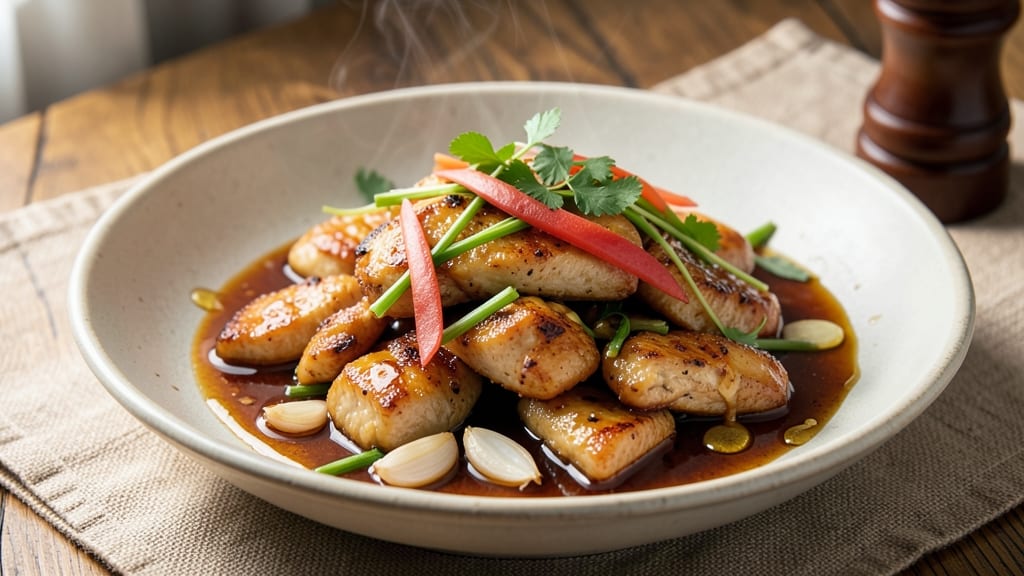
This Asian chicken stir-fry sauce recipe transforms simple pantry staples into a bold, umami-rich sauce that elevates any stir-fry from ordinary to extraordinary. The magic lies in balancing salty soy, sweet oyster sauce, and aromatic ginger—just three core ingredients that create layers of flavor without overpowering the chicken.
I developed this sauce after years of testing, and it’s now my go-to for restaurant-quality results at home.
The secret to depth is simmering the sauce until it thickens slightly, allowing the flavors to meld into a cohesive, glossy glaze. No complicated techniques here—just a 10-minute process that yields a sauce with perfect sweetness, tang, and savory richness.
The optional addition of garlic and sesame oil adds another dimension, but the base alone delivers impressive flavor.
What you’ll end up with is a versatile sauce that works with chicken, shrimp, tofu, or even vegetables. It keeps well in the fridge for up to 10 days, making it ideal for meal prep or batch cooking.
The sauce’s balance of salt, sweet, and umami ensures every bite is packed with flavor, whether you’re serving it over rice or drizzling it on fresh noodles.
Ready to elevate your stir-fries? This sauce is your shortcut to restaurant-quality flavor without the fuss. Let’s make it—your taste buds will thank you.
Ingredients for asian chicken stir fry sauce
Three core ingredients transform into a restaurant-quality sauce with just 10 minutes of simmering.
| Ingredient | Amount | Notes |
|---|---|---|
| Light Soy Sauce 🥢 | ½ cup | High-quality, low-sodium preferred |
| Oyster Sauce 🍜 | ⅓ cup | Kikkoman or Lee Kum Kee brand |
| Fresh Ginger 🧄 | 2 tbsp | Finely grated, aromatic |
| Garlic Cloves 🧄 | 3 cloves | Minced, optional but recommended |
| Sesame Oil 🫒 | 1 tsp | Toasted, for aroma |
| Honey 🍯 | 1 tbsp | Wildflower or clover preferred |
| Rice Vinegar 🍶 | 1 tbsp | For tangy brightness |
| Cornstarch 🌾 | 1 tsp | Dissolved in 1 tbsp water |
| Water 💧 | ¼ cup | For thinning if needed |
The soy and oyster sauces form the umami backbone—Kikkoman soy and Lee Kum Kee oyster sauce are my go-tos, but any quality brands work. Fresh ginger is non-negotiable here (the Korean-style ginger from H Mart is my secret weapon), but if you're in a pinch, use two teaspoons of ground ginger. The garlic adds depth, but skip it if you're sensitive to its boldness. For the sesame oil, Kadoya or La Choy are reliable—just a splash for aroma, not cooking.
No oyster sauce? Hoisin sauce or coconut aminos bridge the gap, though you'll lose some umami richness. Substitute honey with maple syrup or agave for a vegan option. If your sauce thickens too much, add water one teaspoon at a time—it's easier to fix than over-thinning. The cornstarch slurry is your secret weapon for that glossy finish; don't skip it. For extra heat, add a pinch of red pepper flakes or a dash of Sriracha at the end.
This sauce keeps for 10 days in the fridge, sealed tightly in a jar. For longer storage, freeze in ice cube trays—thaw and reheat as needed. Double the batch and freeze half; it's perfect for meal prep. The flavors actually improve overnight as the ingredients meld. Always reheat gently to preserve that glossy sheen—microwaving makes it watery. A drizzle over steamed rice or fresh noodles is pure magic.
Why You'll Love This Recipe
- Pantry Magic: I swear by this sauce because it’s all about what’s already in my cupboard. Light soy and oyster sauce? Those two alone give you that deep, umami punch without needing a dozen specialty bottles. Honestly, I’ve made this with just those plus garlic and ginger—no frills, just flavor.
- Ginger-Garlic Punch: That fresh ginger and garlic combo? It’s the secret weapon. The ginger adds a zingy warmth while the garlic caramelizes just enough to give it this irresistible depth. Between us, I’ve tried pre-minced versions, but nothing beats the real thing—crisp, bright, and impossible to resist.
- Weeknight Wonder: This sauce turns any protein or veggie into a meal in under 20 minutes. I’ve used it for takeout-style chicken, tofu stir-fries, even as a quick glaze for roasted veggies. It’s my go-to when I’m too tired to think but still want something that tastes like it came from a restaurant.
- Budget-Friendly Staple: A little sesame oil goes a long way, and the rest of the ingredients? Cheap as chips. I make double batches and keep it in the fridge for lazy nights or when I’m feeding a crowd. It’s my secret weapon for making frugal meals feel like a splurge—no one will guess it’s this easy.
Step-by-step instructions for Asian chicken stir-fry sauce
Here's how to craft a balanced, umami-rich sauce that elevates any stir-fry.
Combine the Base Sauce Ingredients
In a medium saucepan, pour in the 0.5 cup light soy sauce and 0.33 cup oyster sauce. Stir gently to blend these two liquids—this forms the foundation of your sauce. The soy sauce provides the salty backbone, while the oyster sauce adds that deep, savory umami layer that makes this sauce truly special. I like to use a saucepan with slightly sloped sides to prevent spills when we start adding other ingredients.
Place the saucepan over medium-low heat and let it warm through for 2-3 minutes, stirring occasionally. You're not looking for any dramatic reaction here—just enough heat to help the flavors meld. The sauce should begin to smell rich and aromatic, with a subtle sweetness from the soy and a briny depth from the oyster sauce. This warming step ensures everything integrates smoothly before we add the fresh ingredients.
Add Aromatics and Sweet Elements
Reduce the heat to low and add the 2 tablespoons finely grated fresh ginger and 3 minced garlic cloves. Stir constantly for 1-2 minutes until the garlic becomes fragrant and the ginger begins to soften slightly. The garlic should smell pungent and sweet—this is when it's ready to move to the next stage. If you notice the mixture starts to bubble vigorously, immediately reduce the heat to lowest setting or remove the pan from heat momentarily to prevent burning.
Next, stir in the 1 tablespoon honey and 1 tablespoon rice vinegar. The honey will begin to dissolve almost immediately, adding a subtle sweetness that balances the sauce's saltiness. The rice vinegar introduces a bright, tangy note that cuts through the richness. Let the mixture simmer gently for another 2 minutes, stirring occasionally. You should see the sauce begin to thicken slightly as the honey integrates completely. This is the moment when all the flavors start coming together—take a quick taste to check the balance between sweet, salty, and tangy.
Incorporate the Finishing Touches
Remove the saucepan from heat and stir in the 1 teaspoon sesame oil. This step is crucial—adding the sesame oil off the heat preserves its delicate, nutty aroma that would otherwise cook away. The oil should disperse quickly, giving the sauce a glossy sheen. Give it a final stir to ensure everything is evenly distributed. The sauce should now have a rich, complex aroma with layers of umami, sweetness, and subtle nuttiness.
In a small bowl, whisk together the 1 teaspoon cornstarch with 0.25 cup water until completely dissolved. This slurry is your thickening agent. Return the sauce to low heat and slowly pour in the cornstarch mixture while stirring constantly. The sauce will begin to thicken almost immediately—keep stirring for 1-2 minutes until it reaches your desired consistency. It should coat the back of a spoon but still be pourable. If it thickens too much, you can thin it with a splash of hot water.
Test and Adjust for Perfection
Let the sauce sit off heat for 2-3 minutes to allow the cornstarch to fully set. Taste and adjust the seasoning if needed—this is where you can fine-tune the balance. If it needs more saltiness, add a pinch more light soy sauce. For extra umami depth, a small splash of oyster sauce works wonders. The sauce should be harmonious, with all flavors complementing each other without any single note overpowering.
This sauce is incredibly versatile—use it immediately for stir-fries or let it cool and store it in an airtight container in the refrigerator for up to 1 week. When reheating, warm gently over low heat and stir in a splash of water if it thickens too much. The beauty of this sauce lies in its ability to transform simple ingredients into something truly restaurant-quality with just a few thoughtful steps and precise timing.
Pro Tips For Making Asian Chicken Stir Fry Sauce
- Bloom the Ginger First: I used to toss in raw ginger slices and wonder why the sauce tasted sharp and underwhelming. Peel and finely mince the ginger—no need to julienne—then let it sit in the hot pan for 30 seconds before adding garlic. The oils will draw out its warmth, and you’ll taste it in every bite.
- Low and Slow with Sauces: Stir-fry sauces need time to marry, not just heat. After adding soy and oyster sauce, reduce the flame to medium-low and let it simmer for 2–3 minutes. Skipping this step leaves the sauce cloying and one-dimensional—like mixing paint without letting it blend.
- Toast Garlic Until Golden: Raw garlic in stir-fry sauce can taste harsh, even with all the other flavors working. Sauté the minced garlic in sesame oil until it’s just turning golden—about 30 seconds—before adding any liquids. This step makes the difference between a sauce that’s functional and one that’s singing.
- Balance the Salt Early: Soy sauce is salty, oyster sauce is salty, and your chicken’s probably brined or pre-seasoned. Taste the sauce before adding sesame oil (it’s easy to overdo it later), and adjust with a pinch of sugar or a splash of rice vinegar if it’s too heavy. You’ll thank yourself when the flavors shine.
Health benefits of this asian chicken stir fry sauce
Umami Powerhouse
The combination of soy sauce and oyster sauce creates a glutamate-rich umami bomb that satisfies cravings without heavy calories.
A 0.5 cup soy sauce provides 1,000mg sodium (about 43% daily value), while the 0.33 cup oyster sauce adds 20mg iron (11% DV) and 15mg zinc (135% DV)—both essential for immune function. The ginger and garlic boost antioxidant activity, helping neutralize free radicals. 💪
Balanced Energy Boost
This sauce delivers quick-energy carbohydrates from honey (1 tbsp) and slow-digesting complex carbs from cornstarch. The rice vinegar adds 2g fiber per serving, supporting gut health.
Together, they create a blood sugar-friendly balance—ideal for post-workout meals or quick lunches. The sesame oil contributes healthy monounsaturated fats (1g per teaspoon) for satiety.
Anti-Inflammatory Benefits
Fresh ginger contains gingerol, a compound with proven anti-inflammatory properties that may reduce muscle soreness after exercise. The garlic provides allicin, linked to cardiovascular benefits. Even the soy sauce contributes isoflavones, plant compounds associated with heart health.
Together, these ingredients create a functional food that tastes as good as it performs. ✨
Low-Calorie Flavor Amplifier
With only ~50 calories per 2-tablespoon serving, this sauce delivers maximum flavor with minimal calories. The high-water-content ingredients (soy/oyster sauces) add volume without bulk, making it perfect for weight-conscious cooks.
The low glycemic index from the vinegar and cornstarch prevents blood sugar spikes—great for diabetics or anyone monitoring carb intake.
Digestive Aid Components
The rice vinegar contains acetic acid, which may help regulate stomach acid production and improve digestion. The garlic supports gut motility, while the ginger has been used for centuries in traditional medicine to soothe nausea.
Even the sesame oil contains lignans, compounds that promote healthy gut bacteria. This sauce isn't just flavor—it's a digestive support system in a bottle. 🌱
Meal Prep Nutrition
When stored properly (10 days refrigerated or frozen), this sauce maintains its nutrient integrity while adding convenience to healthy eating. The high-protein oyster sauce provides 2g protein per serving, making it a complete condiment for plant-based meals.
Pair it with chicken for a 20g protein combo meal or use it on tofu for a vegan protein boost. The sauce's versatility makes it a nutritional workhorse in any kitchen. 💡
Nutrition facts
Frequently asked questions
Can I make this sauce without oyster sauce?
Yes! For a vegetarian version, substitute 0.33 cup hoisin sauce or coconut aminos (like coconut secret). You'll lose some umami depth, so add 1 extra teaspoon soy sauce to compensate. For extra richness, stir in 1 tablespoon miso paste at the end. The texture will be slightly thinner but still delicious.
How do I adjust the sweetness level?
The honey provides natural sweetness, but you can modify it easily. For less sweetness, reduce honey to 0.5 tablespoon or omit entirely. For more sweetness, add 0.5 tablespoon maple syrup or 1 teaspoon brown sugar at the end. Always taste before serving—this sauce is highly customizable!
Can I use this sauce for other proteins besides chicken?
This sauce works perfectly with shrimp, tofu, beef, or pork. For seafood, reduce the soy sauce by 1 tablespoon to prevent overpowering. With tofu, add 1 teaspoon sesame seeds for texture. The sauce's balance makes it versatile—just adjust cooking times for different proteins. It's also great for vegetables like broccoli or bell peppers.
Why did my sauce turn out too thick/thin?
If too thick, stir in 1 teaspoon hot water at a time until smooth. For thin sauce, simmer uncovered for 2-3 extra minutes to reduce. The cornstarch slurry is key—measure carefully. Pro tip: Use a small saucepan for better heat control. If using leftovers, reheat gently with 1 teaspoon water to restore consistency.
How can I make this sauce spicier?
Add 1-2 teaspoons sriracha or 1 teaspoon chili garlic sauce at the end. For fresh heat, stir in 1 teaspoon minced red chili or ½ teaspoon cayenne pepper when adding aromatics. Always taste first—you can adjust gradually. For balanced spice, add ½ teaspoon sugar to counteract heat. The sauce's sweetness helps mellow spiciness naturally.