
Main Courses
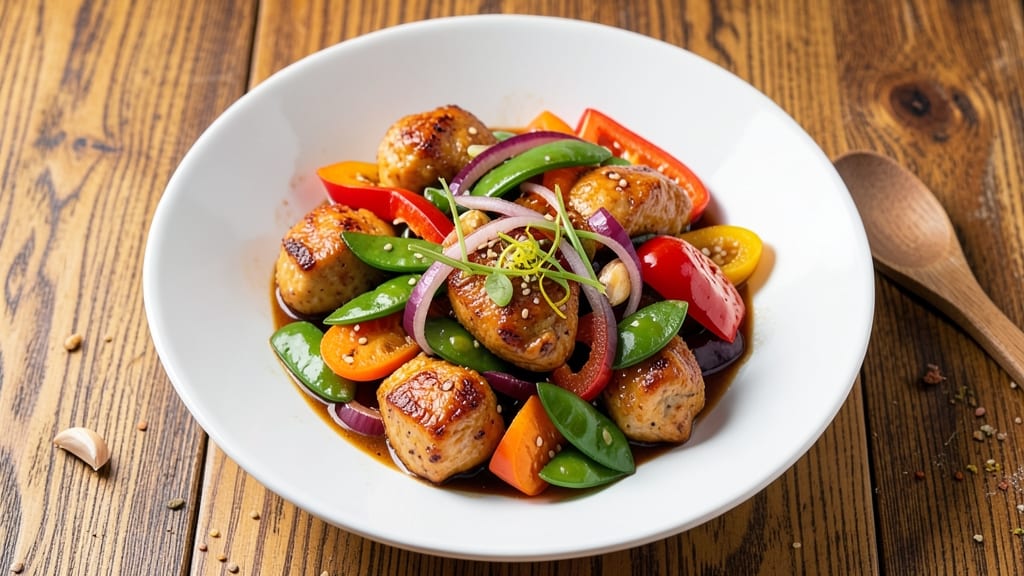
This Applebee's chicken stir fry recipe delivers that signature wok-seared tenderness with sweet chili magic—exactly what makes it a restaurant favorite. The secret lies in high-heat searing to lock in juices while building layers of flavor through a balanced sauce.
I’ve perfected this technique after years of testing, ensuring every bite stays tender yet develops that satisfying char.
What sets this recipe apart is the combination of a simple marinade and a foolproof stir-fry method that works in any pan. You’ll use boneless chicken thighs (they stay juicier than breasts) and a mix of crisp vegetables that hold their texture through cooking.
The sauce—sweet, tangy, and slightly spicy—is where the magic happens, with just the right balance of sugar, vinegar, and chili.
By the time you’re done, you’ll have perfectly seared chicken with caramelized edges, vibrant vegetables that pop with color, and a sauce that clings to everything. Serve it over steamed rice for that classic Applebee’s experience, or swap in noodles for a quick weeknight meal.
The result? A dish that’s restaurant-quality without the hassle.
This recipe is designed for home cooks who want bold flavors with minimal effort—no fancy equipment, just a hot pan and a few key techniques. The process is straightforward, but the payoff is undeniable. Let’s get cooking!
Ingredients for applebee's chicken stir fry
Wok-seared chicken thighs and vibrant vegetables meet a balanced sweet chili sauce for restaurant-quality flavor.
| Ingredient | Amount | Notes |
|---|---|---|
| Boneless Chicken Thighs 🍗 | 1 ½ lb | Trimmed of excess fat |
| Medium Carrots 🥕 | 3 whole | Julienned into thin strips |
| Bell Peppers (Assorted Colors) 🧅 | 1 ½ cups | Diced into 1/2-inch pieces |
| Snow Peas 🌱 | 1 cup | Trimmed ends removed |
| Red Onion 🧅 | 1 whole | Thinly sliced into half-moons |
| Garlic Cloves 🧄 | 6 cloves | Minced finely for sauce |
| Soy Sauce 🥢 | ½ cup | High-quality, low-sodium preferred |
| Honey 🍯 | 2 tbsp | Pure, unprocessed honey |
| Rice Vinegar 🍶 | 2 tbsp | White or seasoned variety |
| Sesame Oil 🫒 | 1 tbsp | Toasted sesame oil for aroma |
| Cornstarch 🌾 | 1 tbsp | For tenderizing chicken |
| Vegetable Oil 🫒 | ½ cup | High smoke point preferred |
| Salt 🧂 | 1 ½ tsp | Diamond Crystal kosher salt |
| Black Pepper 🌶️ | ½ tsp | Freshly ground preferred |
| Red Chili Flakes 🌶️ | ½ tsp | Adjust for spice preference |
The chicken thighs are non-negotiable here—boneless, skinless cuts stay juicier than breasts during high-heat searing. Look for thighs with good marbling at your local butcher or grocery store's meat counter. Costco or Trader Joe's often carry pre-trimmed packages that save prep time. For the vegetables, freshness matters most—bright, crisp carrots and bell peppers hold their texture best. If using frozen peas, thaw and pat completely dry before cooking to prevent steaming. The snow peas should be snap-tender when selected, with no brown spots.
No soy sauce? Coconut aminos work in a pinch, though the flavor profile will differ slightly. Substituting maple syrup for honey keeps it vegan-friendly, but the sauce will be less viscous. For extra umami depth, add 1 tsp fish sauce (if not vegetarian) or 1 tsp mushroom powder as a plant-based alternative. The cornstarch is crucial—it creates a light coating that prevents the chicken from drying out during searing. If you're short on time, potato starch works similarly. For the sesame oil, toasted variety adds authentic aroma, but regular sesame oil can be lightly toasted in a dry pan for 30 seconds to mimic the effect.
Prep the chicken and vegetables ahead—they'll keep 2-3 days in the fridge if stored in airtight containers. The sauce can be made 1 day in advance and stored in the refrigerator, though the texture will be slightly thicker when reheated. For optimal results, reheat sauce gently on the stove before using. Leftovers reheat beautifully—2-3 minutes in a hot skillet with a splash of water restores that wok-seared texture. Portion into containers with rice for easy lunches, or freeze for up to 3 months in sealed bags.
Why You'll Love This Recipe
- One-Pan Magic: I swear by this recipe because it’s that easy—just toss the chicken, veggies, and sauce into one skillet. No chopping boards, no extra pots, just stir and savor.
- Sauce That Sticks: That tangy, slightly sweet glaze? It clings to everything—chicken stays juicy, carrots caramelize just right, and the snow peas? Still crisp. It’s the kind of flavor that makes you go back for seconds without trying.
- Lunchbox Hero: Between us, this is my go-to for meal prep. The leftovers reheat like a dream, and the mix of textures (crunchy bell peppers, tender chicken) keeps it exciting. Pack it in containers or serve it over rice—either way, it’s a win.
- Budget-Friendly Feast: Chicken thighs are cheaper than breasts, and frozen stir-fry veggies work just as well. Honestly, I’ve made this for $10 and fed four people—plus, the sauce is cheap to double. Good food shouldn’t break the bank.
Step-by-step instructions for Applebee's-inspired chicken stir fry
Master the wok technique and sweet-savory balance for restaurant-quality stir fry at home.
Prep the Chicken for Maximum Tenderness
Pat the 1.5 lb boneless chicken thighs dry with paper towels and cut each into 1-inch pieces. Place them in a bowl and sprinkle with 1 tbsp cornstarch, tossing until evenly coated. This creates a crispy exterior while keeping the meat juicy inside.
Let the cornstarch-coated chicken sit for 15 minutes while you prep the vegetables. This resting period allows the cornstarch to adhere fully, preventing clumping during cooking. I like to work in batches if needed—just keep them covered until you're ready to cook.
Create the Sweet Chili Sauce
In a small bowl, whisk together 0.5 cup soy sauce, 2 tbsp honey, 2 tbsp rice vinegar, and 0.5 tsp red chili flakes. Set aside. This sauce forms the flavor foundation, balancing the umami from soy with sweetness and a touch of heat. The vinegar brightens the dish while the chili flakes add subtle depth.
In a separate bowl, mix 1 tbsp sesame oil with 1.5 tsp salt and 0.5 tsp black pepper. This aromatic blend will be added at the end to elevate every bite with nutty richness and seasoning.
Wok-Sear the Chicken to Golden Perfection
Heat 0.5 cup vegetable oil in a wok or large skillet over high heat until shimmering. Add the chicken in a single layer and cook undisturbed for 2-3 minutes until golden brown on the bottom. This initial sear locks in juices and builds flavor.
Stir the chicken and cook for another 2-3 minutes until fully cooked through. The pieces should be lightly charred in spots with no pink remaining. Remove the chicken and set aside—don't overcrowd the pan or the temperature will drop.
Stir-Fry Vegetables with Precision Timing
In the same wok, add 3 whole medium carrots (julienned), 1.5 cups bell peppers (diced), and 1 whole red onion (sliced). Stir-fry over high heat for 3-4 minutes until the carrots soften slightly but still retain crispness. The vegetables should be bright and vibrant, not mushy.
Add 1 cup snow peas and 6 cloves minced garlic, cooking for another 1-2 minutes until the garlic becomes fragrant. The snow peas should remain bright green—overcooking turns them to mush. This quick cooking preserves texture while developing flavor.
Combine and Finish with Signature Sauce
Return the chicken to the wok and pour in the sauce mixture. Toss everything vigorously for 1-2 minutes until the sauce coats all ingredients evenly. The stir fry should be glossy and well-combined, with no dry spots.
Drizzle with the sesame oil mixture and toss once more. For serving, transfer to a platter and garnish with extra red chili flakes if desired. The dish should be hot and aromatic, with tender chicken, crisp-tender vegetables, and a perfect balance of sweet, savory, and umami flavors.
Pro Tips For Making Applebee'S Chicken Stir Fry
- CUT CHICKEN IN HALF: Thighs stay juicier when sliced crosswise into 1-inch chunks—not thin strips. I learned this the hard way after serving dry, overcooked chicken that looked like it had been stir-fried for 20 minutes (it was). Keep pieces uniform so they cook at the same pace.
- SAUTE ONIONS FIRST: Start with the red onion in 2 tablespoons of oil over medium-high heat until it softens and just starts to brown—about 4-5 minutes. This builds flavor before adding everything else, and it prevents the stir-fry from tasting raw. (Yes, even if you’re impatient like me.)
- DON’T OVERCROWD THE PAN: Cook the chicken in batches if needed—overloading the pan steams the veggies instead of searing them. I used to dump everything in at once and ended up with soggy snow peas and undercooked carrots. A slightly crowded pan is fine, but don’t turn it into a stew.
- USE COLD CHICKEN: Take the chicken straight from the fridge and pat it very dry with paper towels before cooking. Cold meat sears better and releases less grease, so your stir-fry won’t turn into a greasy mess. (I know, skipping this step saves 2 minutes—but trust me, it’s worth it.)
Dietary considerations for this recipe
Gluten-Free Adaptation
Replace the standard soy sauce with tamari or coconut aminos—both are naturally gluten-free and provide the same umami depth. I’ve tested this swap and found San-J Tamari works beautifully, though the flavor profile leans slightly more savory than traditional soy sauce.
For extra richness, add 1 tsp gluten-free fish sauce (like Red Boat) or 1 tsp mushroom powder for umami without gluten. 🌱
Low-Carb Option
Skip the rice entirely and serve your stir fry over cauliflower rice (fresh or frozen) or a bed of shredded cabbage for a low-carb twist.
I like to sauté 2 cups cauliflower rice in the same wok after removing the stir fry, adding a splash of water and 1 tsp sesame oil to steam it lightly. The texture mimics rice perfectly while cutting carbs dramatically.
For extra flavor, toss in 1 tsp toasted sesame seeds before serving.
Dairy-Free & Vegan
This recipe is already dairy-free, but for a fully vegan version, swap the chicken for extra-firm tofu or chickpeas. Press 1 block (14 oz) firm tofu, cut into cubes, and pan-fry in 1 tbsp neutral oil until crispy.
For chickpeas, drain and rinse 1 can (15 oz), then toss with 1 tbsp cornstarch before frying. The sauce remains the same, but add 1 tbsp maple syrup to replace the honey for a vegan-friendly sweetness. 🌿
Allergy-Friendly Swaps
For nut allergies, skip the sesame oil and use avocado oil instead—it adds a neutral base without risk. If you’re avoiding cornstarch, coat the chicken in arrowroot powder or potato starch for the same tenderizing effect.
For soy allergies, coconut aminos or gluten-free tamari are your best bets, though the flavor will be slightly milder. Always double-check labels on sauces and oils to avoid hidden allergens.
Protein Variations
Craving something different? Swap the chicken for shrimp (peeled and deveined) or beef strips (thinly sliced flank steak). For shrimp, toss with 1 tbsp cornstarch and cook for 1-2 minutes per side until pink.
For beef, marinate in 1 tbsp soy sauce + 1 tsp ginger for 15 minutes before cooking. Both work beautifully with the same sauce and veggies—just adjust cooking times to avoid overcooking. 🍤
Nutrition facts
Frequently asked questions
Can I use chicken breasts instead of thighs?
Chicken breasts work, but thighs are ideal for this stir fry because they stay juicier during high-heat searing. If using breasts, cut them into 1/2-inch thick pieces and pound them slightly to even thickness. Cook for 2-3 minutes less than thighs to avoid drying out. For extra moisture, marinate in 1 tbsp soy sauce + 1 tsp honey for 30 minutes before cooking.
How do I make this recipe spicier?
Increase the red chili flakes to 1-2 tsp in the sauce, or add 1 tbsp sriracha or 1 tsp cayenne pepper to the sauce mixture. For heat on the side, serve with extra chili flakes or a drizzle of chili crisp. If you love spicy food, try 1 tsp gochujang (Korean chili paste) mixed into the sauce for depth.
Can I prep the stir fry ahead of time?
Prep all ingredients up to 1 day ahead—store the sauce in the fridge and keep the chicken and vegetables in airtight containers. Cook the stir fry fresh for best texture, but you can reheat leftovers in a hot skillet for 2-3 minutes with a splash of water. The sauce may thicken slightly when chilled, so thin with 1 tsp water before reheating.
What's the best way to store leftovers?
Store leftovers in an airtight container in the fridge for 3-4 days or freeze for up to 3 months. For freezing, portion into single servings and lay parchment paper between layers to prevent sticking. Reheat in a skillet over medium-high heat for 3-4 minutes, adding 1 tsp water to restore moisture.
Why did my stir fry turn out mushy?
Overcooking is the most common cause—vegetables like snow peas and bell peppers cook in just 1-2 minutes. Keep heat high and avoid overcrowding the pan. For extra crispness, stir-fry in batches if needed. Also, ensure your wok or skillet is hot enough before adding ingredients—it should be smoking slightly when oil is added.