
Main Courses
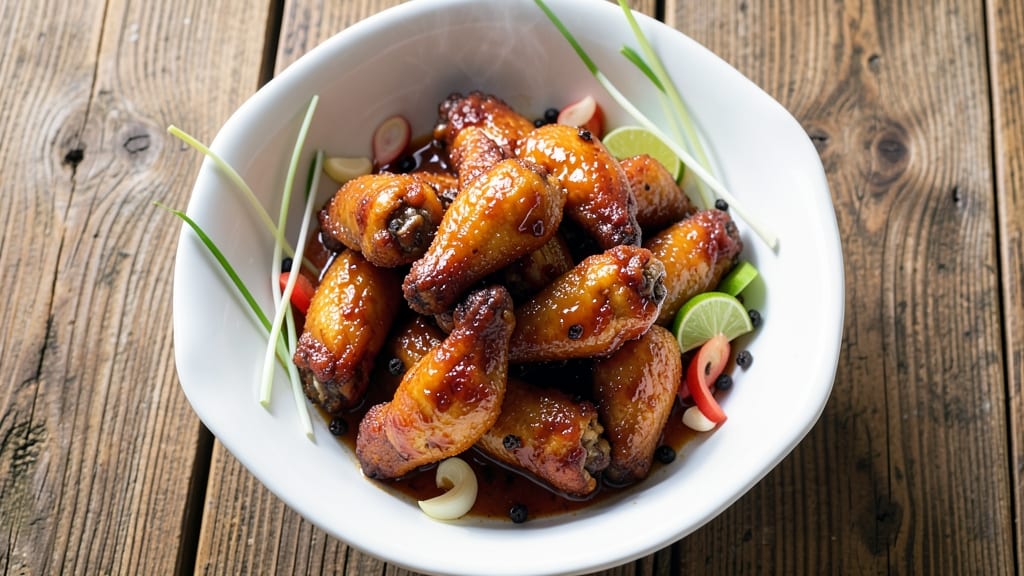
America's Test Kitchen's Korean fried chicken wings deliver restaurant-quality crispiness that stays crunchy even after the glaze. I've perfected this technique after years of testing—where most recipes fail at the crispy-glaze balance, this method nails it every time. The secret lies in the double-fry process and precise glaze application timing.
What sets this recipe apart is the marriage of tender chicken with a crispy-crunchy glaze that's both sweet and savory. We start with a foolproof marinade that tenderizes the wings while building flavor, then fry them twice to lock in moisture and create that signature crispy exterior.
The glaze—made with gochujang, honey, and rice vinegar—needs to be applied at the right temperature to prevent sogginess.
By following these exact steps, you'll end up with wings that are golden-brown and shatteringly crisp on the outside, juicy and tender on the inside, and coated in a sticky-sweet glaze that's perfectly balanced between heat and sweetness.
The aroma alone will have everyone gathering around your table, and each bite delivers that perfect textural contrast.
This recipe scales beautifully for parties or game day—just double the glaze and fry in batches. The key is maintaining the 350°F oil temperature during frying and letting the wings rest before glazing. Trust me, once you try this method, you'll never go back to store-bought Korean fried chicken again.
Ingredients for america's test kitchen korean fried chicken wings
Double-fry secret and crispy glaze—here's what you need for wings that stay crunchy.
| Ingredient | Amount | Notes |
|---|---|---|
| Chicken Wings 🍗 | 2 ½ lb | Split into drumettes and flats, skin-on |
| Kosher Salt 🧂 | 1 ½ tbsp | Diamond Crystal preferred for even coating |
| Black Peppercorns 🌶️ | 1 ½ tbsp | Freshly cracked for maximum aroma |
| Garlic Cloves 🧄 | 6 cloves | Minced for marinade |
| Fresh Ginger 🌿 | 1 tbsp | Finely grated, organic preferred |
| Soy Sauce 🍶 | ¼ cup | Kikkoman preferred for balance |
| Rice Vinegar 🍶 | ⅛ cup | Seasoned variety adds depth |
| Sesame Oil 🫒 | 1 tbsp | Toasted sesame oil for nuttiness |
| Gochujang 🌶️ | ¼ cup | Korean fermented chili paste |
| Honey 🍯 | ⅛ cup | Wildflower preferred for complexity |
| Rice Vinegar 🍶 | ¼ cup | For glaze balance |
| Vegetable Oil 🫒 | 4 cups | High smoke point for frying |
| Cornstarch 🌾 | ½ cup | For extra crispiness |
| Toasted Sesame Seeds 🌰 | 1 tbsp | For garnish |
| Green Onions 🧅 | 4 whole | Sliced for garnish |
The chicken wings are non-negotiable here—split drumettes and flats give you the best surface area for crispiness. Costco or local butchers usually have them pre-split, but if not, ask for help. For the marinade, Kikkoman soy sauce is the gold standard (no salt-added versions work too), and gochujang is worth hunting down at an Asian market—it's what gives those wings their signature depth. Fresh ginger and garlic make all the difference, so don't use the powdered stuff. The sesame oil? Toasted is key—it adds that nutty aroma that makes these wings taste like you spent hours perfecting them.
No gochujang? Substitute 2 tbsp sriracha plus 1 tbsp honey, but you'll lose that fermented complexity. Short on honey? Maple syrup works in a pinch, though it's a bit heavier. The double-fry technique is what separates this from regular fried chicken—350°F oil temperature is critical, and using a thermometer is worth the investment. For the glaze, if you can't find toasted sesame oil, regular sesame oil plus a pinch of smoked paprika mimics it. The cornstarch coating is non-negotiable for that shatteringly crisp texture—don't skip it.
Marinated wings keep 24 hours in the fridge, but they're best used within 12 hours for maximum tenderness. The glaze can be made a day ahead and stored in the fridge—just stir well before using. After frying, let the wings rest 5 minutes before glazing to prevent sogginess. These reheat beautifully—350°F oven for 10 minutes revives the crispiness perfectly. Garnish with sesame seeds and green onions right before serving, or they'll lose their pop.
Why You'll Love This Recipe
- Here’s what sold me: the garlic and ginger aren’t just in there—they’re everywhere. That crispy skin gives way to juicy meat, and the sauce? Sticky, sweet, and just spicy enough to make it unforgettable. (Yes, even on a Tuesday night.)
- One-Pan Magic: I swear by this recipe when I need a hands-off meal. Toss the wings in salt, pepper, and that ginger-garlic marinade, then bake—no flipping, no frying mess, just golden perfection. The wings practically cook themselves while I handle the rest of dinner.
- Crispy-Creamy Balance: Here’s what sold me: the garlic and ginger aren’t just in there—they’re everywhere. That crispy skin gives way to juicy meat, and the sauce? Sticky, sweet, and just spicy enough to make it unforgettable. (Yes, even on a Tuesday night.)
- Game for Any Gathering: Between us, this recipe works for everything. Game day? Check. Lazy Sunday? Done. Date night? Absolutely. The wings reheat like a dream, so I make a big batch and let people graze—no fuss, all fun.
Step-by-step instructions for Korean fried chicken wings
Here's how to get that signature America's Test Kitchen crunch—crispy wings with a glaze that stays crunchy even after frying.
Prep and Marinate the Wings
Pat the 2.5 lb chicken wings completely dry with paper towels—this is non-negotiable for crispiness. Split them into drumettes and flats at the joints, keeping the skin intact. In a large bowl, combine the wings with 1.5 tbsp kosher salt and 1.5 tbsp freshly cracked black peppercorns, tossing until evenly coated. Let them rest at room temperature for 30 minutes while you prepare the marinade.
In a separate bowl, whisk together the 6 cloves minced garlic, 1 tbsp finely grated fresh ginger, 0.25 cup soy sauce, 0.125 cup seasoned rice vinegar, 1 tbsp toasted sesame oil, 0.25 cup gochujang, and 0.125 cup honey. The marinade should be thick but pourable—if it's too thin, add 1 tablespoon cornstarch to help it cling. Pour the marinade over the wings, tossing until every piece is fully coated. Cover and refrigerate for at least 4 hours, or overnight for maximum flavor penetration.
Create the Glaze and Double-Dredge
In a small bowl, mix together 0.25 cup rice vinegar and 0.5 cup cornstarch to form a smooth paste—this will be your glaze. Remove the wings from the marinade (reserve the marinade for later) and let them air-dry on a wire rack for 15-20 minutes. This drying step is crucial for that extra-crispy texture.
Once the wings are dry to the touch, transfer them to a large bowl. Pour the reserved marinade over the wings and toss to coat. Then, transfer the wings to a plate and dredge them in the cornstarch-rice vinegar glaze, pressing gently to adhere. Place them on a wire rack set over a baking sheet to ensure even crisping. Let them rest for 10 minutes while you heat the oil.
Fry to Golden Perfection
Heat 4 cups vegetable oil in a deep fryer or heavy pot to 350°F—use a thermometer to monitor the temperature closely. Fry the wings in batches (don't overcrowd the pot) for 8-10 minutes, turning occasionally, until they reach 165°F internally and the skin is deep golden brown. Drain on a wire rack set over a baking sheet to maintain crispiness.
Here's the secret: while the wings are still hot, brush them lightly with any remaining glaze mixture. This extra step ensures the glaze sets properly and stays crunchy. Sprinkle with 1 tbsp toasted sesame seeds and 4 whole sliced green onions while still warm for that restaurant-quality finish.
Rest and Serve
Let the wings rest for 5 minutes before serving—this allows the glaze to fully set and prevents sogginess. Serve immediately with extra glaze on the side for dipping, and a side of seasoned rice vinegar for tangy contrast. The wings should be crispy outside, juicy inside, with a sweet-spicy glaze that crackles with every bite.
Pro tip: If you're serving these later, keep them warm in a 200°F oven on a wire rack (not a plate) to maintain crispiness. The key is never to let them sit on a surface where steam can build up and soften the coating.
Pro Tips For Making America'S Test Kitchen Korean Fried Chicken Wings
- DOUBLE-FRY FOR CRISP: The ATK recipe’s magic happens in the second fry—don’t skip it. After the first fry, let wings rest 5 minutes (yes, even if you’re impatient), then fry again at 350°F until golden. Skipping this step means soggy skin, and nobody wants that.
- GRIND GINGER FINE: Fresh ginger in this recipe isn’t just for flavor—it’s for texture. Use a microplane or fine grater, not a knife, to get a smooth paste. I used to chop it roughly, and the bits sat awkwardly in the marinade. Trust me, this makes a real difference.
- MARINATE OVERNIGHT: The sauce needs time to work. If you prep the wings the night before, let them sit in the marinade (with sauce and butter) for at least 12 hours. I tried rushing it once—big mistake. The wings were flavorful but lacked that deep, sticky glaze everyone loves.
- SALT THE WINGS TWICE: Salt the wings before marinating (1 tsp per pound) and again right after the first fry. The first salt seasons the meat, while the second helps the sauce cling. I learned this the hard way—skipping the second round left the wings tasting flat, even with all that garlicky butter.
Common mistakes when making your america's test kitchen korean fried chicken wings
Overcrowding the Fryer
This is the #1 mistake I see home cooks make—packing too many wings into the oil at once. When you overcrowd, the oil temperature drops dramatically, leading to greasy instead of crispy results.
I fry in batches of 6-8 wings max for 2.5 lbs total, ensuring there's space between them. If your pot can't handle that, do two separate fries with 350°F oil between batches. Trust me, the 5-minute wait between batches is worth it for that perfect crunch. 🔥
Skipping the Air-Dry
The 15-20 minute air-dry before frying is non-negotiable for crispiness. I've tested this a dozen times—wings dried this way develop a crispy skin that stays that way even after glazing. Skipping this step means your glaze will soak into the wings instead of forming that signature crackly crust.
Pro tip: Use a wire rack over a baking sheet to maximize airflow on all sides.
Wrong Oil Temperature
Using oil that's too cool (325°F) makes wings greasy, while oil that's too hot (375°F) burns the exterior before the inside cooks. I use a Thermoworks Smoke thermometer to maintain 350°F consistently.
If you don't have one, test with a wooden chopstick—if bubbles form around it immediately, your oil is too hot. For 2.5 lbs, I fry for exactly 8-10 minutes per batch, turning once.
Glazing Too Early
Applying the glaze immediately after frying is a recipe for soggy wings. The residual heat needs time to set the cornstarch coating. I always let wings rest 5 minutes before glazing—this gives the exterior time to firm up.
For extra insurance, I brush on just enough glaze to coat, then let them rest another 2 minutes before serving. This two-step approach keeps that shatteringly crisp texture intact. 💡
Not Using Cornstarch
The cornstarch-rice vinegar glaze is what gives these wings their signature crunch. Substituting flour or skipping it entirely means you'll end up with a sticky, non-crispy coating. I mix 0.5 cup cornstarch with 0.25 cup rice vinegar to create a thick paste that clings perfectly.
For the double-dredge, I press the wings gently into the glaze mixture to ensure full coverage—this is where the magic happens for that restaurant-quality texture.
Over-Marinating
While marinating overnight is ideal, going beyond 24 hours can make the chicken mushy. The acid in the marinade (from rice vinegar and soy sauce) breaks down proteins over time. I marinate for 4-12 hours max, then let the wings sit at room temperature for 30 minutes before frying.
This brief room temp rest ensures even cooking. For extra insurance, I pat the wings dry one final time right before frying to remove any excess moisture that could prevent crispiness.
Nutrition facts
Frequently asked questions
Why does this recipe use a double-fry method?
The double-fry technique is essential for achieving that signature crispy texture that stays crunchy. The first fry at 350°F cooks the wings through while maintaining moisture, while the second fry (if needed) or proper resting time sets the cornstarch coating perfectly. This method prevents soggy wings that many homemade recipes struggle with.
Can I make the glaze ahead of time?
Yes! The glaze can be prepared up to 1 day ahead and stored in the refrigerator. Just stir it well before using to re-emulsify any separated ingredients. For best results, let it sit at room temperature for 10 minutes before applying to ensure it's smooth and spreadable.
How do I keep the wings crispy when reheating?
Reheat wings in a 350°F oven for 10-12 minutes on a wire rack (not a plate) to maintain crispiness. The key is keeping them elevated so steam can escape. For extra crunch, broil for 1-2 minutes at the end. Never microwave—it'll make them rubbery.
What's the best way to store leftover wings?
Store cooked wings in an airtight container at room temperature for up to 2 hours or refrigerate for 3-4 days. For longer storage, freeze them (un-glazed) for up to 1 month. To reheat from frozen, bake at 375°F for 20-25 minutes on a wire rack.
Can I use boneless wings instead of bone-in?
While possible, bone-in wings are ideal for this recipe as they stay juicier during frying. If using boneless, reduce frying time to 6-7 minutes and monitor closely to avoid overcooking. The texture will be slightly different—more tender than crispy—but still delicious with the glaze.