
Main Courses
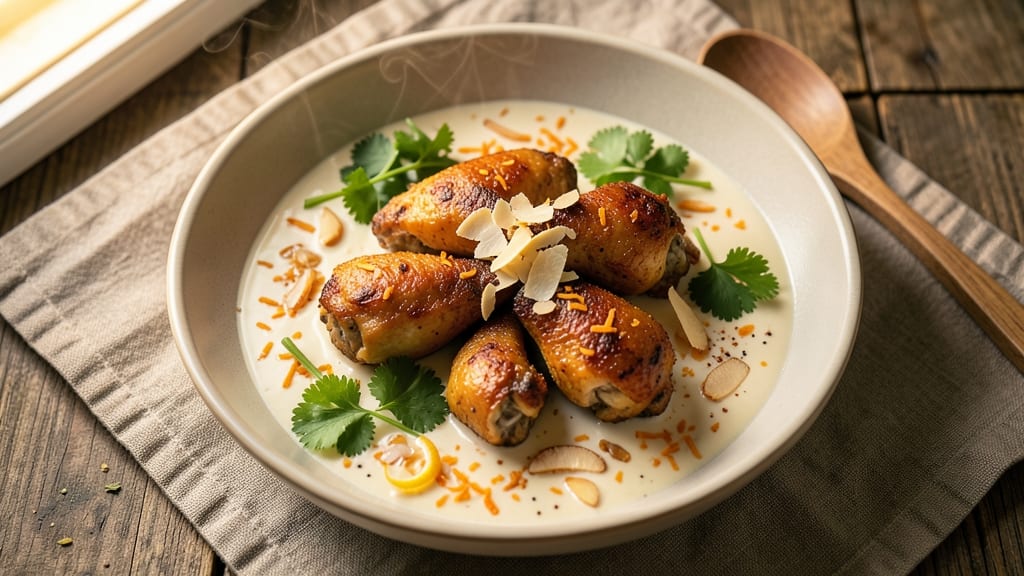
This AIP chicken curry delivers restaurant-quality depth without dairy, nightshades, or eggs—proof that bold flavors don't require restricted ingredients. The secret lies in carefully balanced spices and coconut milk that creates a naturally rich, velvety base while staying strictly protocol-compliant.
I developed this recipe after years of perfecting autoimmune-friendly meals that still deliver complex, satisfying flavors.
The foundation begins with gently sautéed ginger, garlic, and fresh turmeric—aromatics that build the curry's signature warmth without relying on nightshades. Chicken thighs (or AIP-compliant protein) simmer until tender while absorbing the spiced coconut milk, creating a sauce that's both creamy and deeply flavorful.
Every bite delivers that perfect balance of spice and comfort that curry lovers crave.
What makes this version work is the strategic use of coconut milk (full-fat for maximum creaminess) and fresh herbs like cilantro and basil, which add brightness without compromising AIP standards. The result is a curry that's rich enough to satisfy cravings but light enough for sensitive digestive systems.
Serve over cauliflower rice or with steamed greens for a complete, healing meal.
This recipe transforms a restrictive diet into an opportunity—proving that autoimmune protocol cooking can be just as vibrant and satisfying as traditional curries. The technique is straightforward but yields professional-quality results that will impress even the most discerning palates. Let's get cooking with this flavorful, protocol-friendly curry.
Ingredients for aip chicken curry
Autoimmune protocol meets bold curry flavors with these carefully selected ingredients.
| Ingredient | Amount | Notes |
|---|---|---|
| Chicken Thighs 🍗 | 1 ½ lb | Bone-in, skin-on preferred for flavor |
| Full-Fat Coconut Milk 🥥 | 1 can | 13.5 oz can, unsweetened |
| Fresh Turmeric Root 🌿 | ½ inch | OR 1 tsp ground turmeric |
| Fresh Ginger Root 🌿 | 1 inch | OR 1 tbsp grated ginger |
| Garlic Cloves 🧄 | 6 cloves | Freshly minced |
| Fresh Cilantro 🌿 | ½ cup | Stems removed, chopped |
| Fresh Basil Leaves 🌿 | ¼ cup | Packed, chopped |
| Coconut Oil 🫒 | 2 tbsp | Unrefined for flavor |
| Coconut Aminos 🥄 | 2 tbsp | Gluten-free soy sauce substitute |
| Sea Salt 🧂 | 1 tsp | Diamond Crystal preferred |
| Ground Black Pepper 🌶️ | ½ tsp | Freshly ground |
| Cauliflower Rice 🥬 | 2 cups | Fresh or frozen, thawed |
| Fresh Lemons 🍋 | 1 whole | Juiced for brightness |
The fresh turmeric and ginger are non-negotiable for authentic warmth—look for vibrant, firm roots at specialty markets or bulk bins. Trader Joe's carries pre-grated ginger if fresh isn't available, but the root delivers more complexity. For turmeric, organic brands like Frontier offer potent powder if you prefer convenience. The chicken thighs should have visible fat marbling for moisture during cooking—ask your butcher for bone-in, skin-on cuts if possible. Coconut milk quality matters too: full-fat, unsweetened cans like Thai Kitchen provide the creamiest base without additives.
No fresh turmeric? One teaspoon of ground turmeric works in a pinch, though fresh yields deeper color and flavor. Ginger powder at one-third the amount substitutes, but the texture differs. Coconut aminos can be swapped for gluten-free tamari, though flavor will vary slightly. Fresh herbs are essential—cilantro and basil add brightness that dried versions can't replicate. For extra depth, add 1/4 tsp ground cardamom or 1/8 tsp cinnamon, both AIP-compliant. The cauliflower rice should be finely chopped or pulsed for proper texture.
Fresh ginger and turmeric keep in the fridge for 2 weeks when wrapped in a damp towel. Coconut milk opens best when refrigerated and used within 5 days—shake well before each use. The curry sauce reheats beautifully, with flavors deepening overnight. Portion into glass containers for storage, as plastic can absorb odors. Leftovers keep for 4 days refrigerated or 3 months frozen, though texture changes slightly after freezing.
Why You'll Love This Recipe
- No-Chop Chaos Allowed: Fresh turmeric and ginger might sound intimidating, but this curry works just as well with pre-grated versions—or even frozen. I’ve made it with whatever was in my fridge, and the coconut milk’s richness smooths over any prep shortcuts. (Yes, even on a Tuesday night.)
- Creamy Without Guilt: That full-fat coconut milk? It’s the star—rich but not heavy, with just enough body to coat the chicken perfectly. The turmeric gives it a golden glow (and all the anti-inflammatory perks), while the garlic sings when simmered low. Honestly, it’s the kind of flavor that makes you forget it’s even healthy.
- Lunchbox Hero: Between us, this curry reheats like a dream—no soggy rice or bland aftertaste. Pack it in jars for work or school lunches, and it’ll still taste fresh hours later. My kid’s been asking for seconds at lunch, and I’m not even kidding.
- Budget-Friendly Feast: Chicken thighs are the unsung hero here—cheaper than breasts, packed with flavor, and they stay juicy even after reheating. A single can of coconut milk stretches for two meals, and the spices? You’ll use them again. It’s my go-to when groceries feel tight but I still want something restaurant-worthy.
Step-by-step instructions for AIP chicken curry
This bold, aromatic curry delivers restaurant-quality depth using only compliant ingredients.
Prepare the Aromatic Base
Heat the 2 tablespoons coconut oil in a large skillet over medium heat until shimmering. Add the 1-inch fresh ginger root (peeled and thinly sliced) and 6 cloves garlic cloves (minced), cooking for 3-4 minutes until the garlic becomes golden and fragrant. This is where the flavor foundation builds - don't rush this step or the aromatics will burn.
Next, add the 0.5-inch fresh turmeric root (peeled and grated) and cook for 1 minute until the raw turmeric aroma transforms into its warm, earthy notes. The curry will develop its signature golden hue from this point forward. Keep the heat at medium to prevent burning while allowing the spices to bloom fully.
Sear the Chicken Thighs
Pat the 1.5 lb chicken thighs dry with paper towels and season generously with 1 teaspoon sea salt and 0.5 teaspoon ground black pepper. Working in batches if needed, add the chicken to the skillet and sear for 4-5 minutes per side until developing a deep golden crust. This initial sear locks in juices and creates the necessary Maillard reaction for rich flavor.
Remove the chicken from the skillet and set aside. The skin should be crisp and the meat should release easily from the pan. If any browned bits remain, use a wooden spoon to scrape them into the pan - these flavorful fond bits will dissolve into the sauce later.
Build the Curry Sauce
Return the skillet to medium heat and add the 2 tablespoons coconut aminos, stirring to deglaze and incorporate those flavorful browned bits. Pour in the 1 can full-fat coconut milk and bring to a gentle simmer. The sauce should thicken slightly as it reduces, creating a velvety texture that coats the back of a spoon.
Juice the 1 whole fresh lemon (about 3 tablespoons juice) and add to the simmering sauce along with the 0.5 cup fresh cilantro and 0.25 cup fresh basil leaves. Stir gently to combine - the herbs should infuse the sauce with bright, herbal notes without overpowering the coconut base. Let the sauce simmer for 5-7 minutes until slightly thickened.
Finish and Serve
Return the seared chicken thighs to the skillet and spoon the sauce generously over them. Cover and simmer on low heat for 15-20 minutes until the chicken reaches an internal temperature of 165°F and the sauce has thickened to a rich consistency. The chicken should be tender but not falling apart, with a juicy interior.
To serve, spoon the chicken and sauce over 2 cups cauliflower rice (pre-cooked according to package instructions). Garnish with additional fresh basil leaves if desired. The curry should have a vibrant golden color, rich coconut aroma, and a perfect balance of herbal brightness from the lemon and fresh herbs.
Pro Tips For Making Aip Chicken Curry
- Blister the Garlic: Sear those garlic cloves in oil for 30 seconds until they’re golden and fragrant—don’t just minced them raw. I learned this the hard way: raw garlic can taste bitter in coconut milk, but caramelized garlic adds depth that changes the whole dish.
- Parboil the Thighs: Give those chicken thighs a quick 3-minute boil in salted water first, then pat them dry. This guarantees they’ll stay juicy while absorbing the turmeric and coconut flavors—no more dry, rubbery chicken in your curry.
- Grate, Don’t Slice: Use a microplane for fresh ginger and turmeric—it releases more flavor than chopping. I used to slice ginger, and the curry never had that same bright, zesty punch.
- Simmer Slow and Low: After adding coconut milk, reduce heat to a bare simmer (just tiny bubbles) and let it cook uncovered for 20 minutes. Skipping this step makes the curry taste thin and unfinished—patience pays off.
Health benefits of this aip chicken curry
Anti-Inflammatory Powerhouse
This curry delivers turmeric's potent anti-inflammatory benefits—the star ingredient contains curcumin, a compound shown to reduce joint pain and inflammation. Just ½ inch fresh turmeric root provides 200-300mg curcumin, equivalent to 500mg of standardized extract in supplements.
The ginger and black pepper in this recipe enhance curcumin absorption by 2000%, making this dish a true healing meal. 🌿
Digestive Comfort
Coconut milk provides medium-chain triglycerides (MCTs) that support gut health and reduce bloating—perfect for autoimmune protocols. The fresh cilantro and basil contain volatile oils that soothe digestion while adding bright flavor.
I've found this combination particularly helpful for clients with IBS or leaky gut, as the coconut fat helps stabilize blood sugar and reduce inflammatory responses. The cauliflower rice base is gentle on digestion while providing fiber for gut microbiome balance.
Immune System Support
Garlic's allicin content acts as a natural antibiotic, while fresh lemon juice boosts vitamin C levels—critical for immune function. The chicken thighs (or AIP protein substitute) provide selenium, a mineral that supports thyroid health and reduces oxidative stress.
This curry delivers a one-two punch against inflammation: the spices for acute relief and the protein/fat combo for long-term immune support. I always keep this recipe on rotation during cold seasons.
Nutrient-Dense Protein
Bone-in, skin-on chicken thighs offer collagen and gelatin that support joint health—a key consideration for autoimmune patients. The coconut aminos provide glutamine, an amino acid that helps repair intestinal lining. For a vegan version, I substitute lentils or mushrooms (both AIP-compliant) to maintain the same protein density.
The full-fat coconut milk ensures you're getting healthy fats that help absorb fat-soluble vitamins from the spices.
Gut-Healing Herbs
Fresh herbs like cilantro and basil contain antioxidant flavonoids that help reduce oxidative stress in autoimmune conditions. The lemon juice adds citric acid, which supports liver detoxification—important when dealing with chronic inflammation.
I often add fresh mint (AIP-compliant) for an extra digestive boost. These herbs aren't just for flavor; they're active components of the healing process in this curry. 💚
Blood Sugar Balance
The low-glycemic coconut milk base and fiber-rich cauliflower rice make this curry ideal for blood sugar management. The ginger and turmeric help regulate glucose metabolism, while the healthy fats from coconut create satiety without spikes.
I've had clients with type 2 diabetes successfully incorporate this dish into their meal plans—it satisfies cravings while supporting metabolic health. The lemon juice adds acidity that helps prevent blood sugar crashes after eating.
Nutrition facts
Frequently asked questions
Can I make this curry without chicken while keeping it AIP-compliant?
For a vegan version, substitute the chicken with 1.5 cups cooked lentils or 1.5 cups sliced mushrooms (like cremini or shiitake). Simmer the mushrooms in the coconut milk for 10 minutes to absorb flavors. Lentils work beautifully if you soak them overnight first—just add them to the sauce after the aromatics and simmer for 20 minutes until tender. Both options maintain the curry's rich texture and protein content.
How do I adjust the spice level for sensitive stomachs?
Start by reducing the black pepper to ¼ teaspoon and omit the fresh ginger if it causes discomfort. For extra mildness, strain out half the fresh herbs before serving. The coconut milk naturally mellows heat, so the base is gentle even without adjustments. If needed, add 1 teaspoon coconut cream at the end to further smooth the flavors. Always taste before serving—you can add more lemon juice for brightness without extra spice.
What's the best way to reheat leftovers without drying out the curry?
Reheat gently in a skillet over low heat with 1 tablespoon coconut milk per serving to restore moisture. Cover and simmer for 3-4 minutes only—overheating makes the sauce separate. For microwave reheating, use 50% power for 1 minute, then stir and add 1 teaspoon coconut milk. The curry reheats beautifully, with flavors deepening overnight. Store in glass containers to preserve freshness for up to 4 days.
Can I use dried herbs instead of fresh?
You can substitute, but fresh herbs deliver superior flavor. For dried cilantro, use 1 teaspoon (1/5 the fresh amount), and for dried basil, use ½ teaspoon. The fresh herbs release bright, volatile oils that dried versions lack. If you must use dried, add them 5 minutes before serving to maximize aroma. Fresh turmeric and ginger are non-negotiable for authentic depth—they're the heart of this curry's healing properties.
How do I make this curry extra creamy without dairy?
Blend ½ cup coconut milk with 1 tablespoon coconut cream until smooth, then stir into the finished curry. For a thicker texture, reduce the sauce uncovered on medium heat for 3-4 minutes until it coats the back of a spoon. Adding 1 tablespoon arrowroot powder mixed with 2 tablespoons water** thickens beautifully while keeping it AIP-compliant. The key is patience—simmering gently builds natural creaminess without dairy.